
Why Martial Arts Is Becoming a Top Choice for Personal Growth in NY
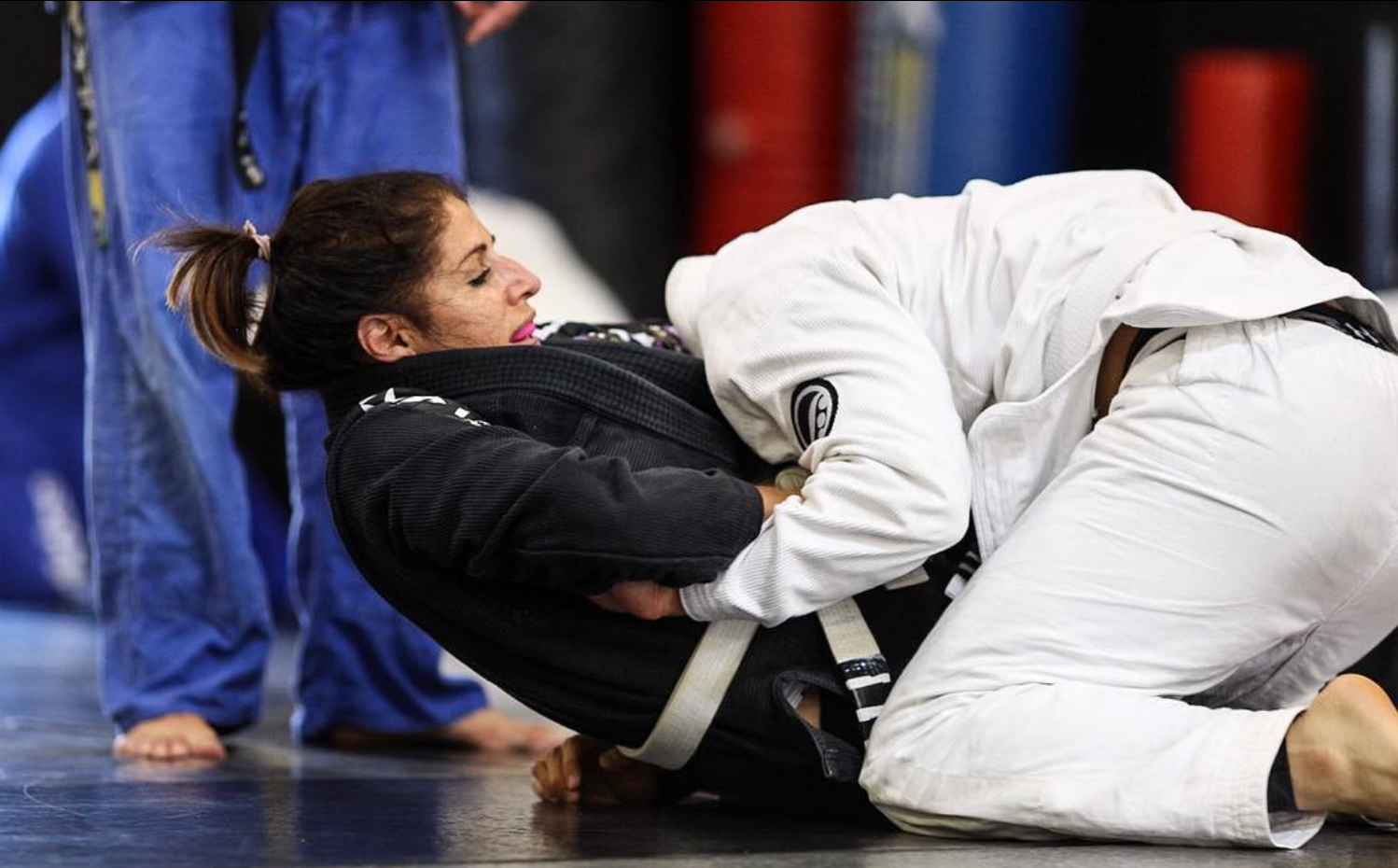
In a busy NY routine, martial arts stands out because it trains your body, your mindset, and your follow-through at the same time.
In New York, “personal growth” often gets framed as another task on a packed calendar: lift more, sleep better, stress less, repeat. What surprises many of our students is that martial arts can simplify that whole equation by tying fitness, confidence, and mental discipline into one practice you can actually stick with.
We also see the trend in the bigger picture. The U.S. martial arts market surged to roughly $16.8 billion in 2024 and climbed to about $19.4 billion by late 2024, which lines up with what people tell us every day: you want training that does more than burn calories. You want something that changes how you show up at work, at home, and in your own head.
If you’ve been searching for martial arts Garden City options or wondering whether martial arts classes in Garden City can really support personal growth, we’ll walk you through why this training works, what results to expect, and how to get started in a way that feels safe and doable.
Why New Yorkers are choosing martial arts for growth, not just fitness
New York has no shortage of fitness choices, but many of them stay in one lane. Martial arts is different because the physical work and the mental work are inseparable. You’re not only exercising, you’re learning a skill, tracking progress, and practicing calm under pressure.
Research backs that up. A 2017 literature review reported consistent physical improvements across multiple styles, including better strength, flexibility, balance, stamina, bone density, and cardiovascular health. That blend matters because it’s functional: you feel it when you take the stairs, carry groceries, or get through a long day without feeling wrecked.
But the personal growth side is what makes people stay. Studies associate martial arts practice with stronger self-control, improved mood regulation, reduced anxiety and depression symptoms, and higher self-efficacy. In plain terms, you start trusting yourself more, and that has a ripple effect.
The structure is a big part of the mental health benefit
A good training environment gives you clear expectations and a path forward. That sounds simple, but it’s powerful. Martial arts uses structured progression, coaching, and measurable skill milestones to build emotional stability and goal-setting habits.
That structure often helps with:
- Breaking big goals into manageable steps, then repeating those steps until they work
- Learning how to take feedback without spiraling into self-criticism
- Handling discomfort with more patience, because you’ve practiced it on the mat
Even on days when you feel low energy, you can still show up and do the basics. That consistency is where a lot of the confidence comes from.
What “personal growth” looks like on the mat and off the mat
Personal growth can sound abstract, so we like to make it concrete. In our classes, growth is usually visible in small moments: a student keeps breathing instead of panicking, a beginner asks a question without feeling embarrassed, a parent tells us their child is more focused with homework.
One of the clearest examples comes from Brazilian Jiu-Jitsu research showing 96.9 percent of participants reported transferring life skills to daily life, including discipline, focus, and respect. That is exactly the kind of carryover you want from a training routine, because it means the work matters beyond the hour you’re in class.
The “pressure practice” effect
Life in NY can feel like constant pressure: deadlines, traffic, crowded schedules, social demands. Martial arts gives you a controlled place to practice staying composed. You learn to make decisions while your heart rate is up and your mind wants to rush. Over time, that becomes a skill you can access elsewhere.
Off the mat, that can show up as:
- More measured reactions during conflict or stress
- Better focus on one task at a time
- Less avoidance and more follow-through when something is challenging
It’s not that training removes stress. It teaches you to handle it differently.
Why MMA and Brazilian Jiu-Jitsu fit modern NY goals
A lot of adults want training that feels practical. MMA and BJJ have a reputation for being realistic, and that’s part of why they’ve grown so quickly. The techniques are pressure-tested, and the training tends to be athletic, skill-based, and mentally engaging.
From a fitness standpoint, mixed training can deliver a “high-intensity intermittent” style of work: bursts of effort, short recovery, repeat. That can improve conditioning, stamina, and body composition while still giving you a technical focus so you’re not just grinding through reps.
From a personal growth standpoint, MMA and BJJ reward problem-solving. You’re constantly reading situations, adjusting angles, managing distance, and staying patient. That kind of learning lights up the brain in a different way than a standard workout.
Safety and smart progress matter more than intensity
The best results come when training is sustainable. We build classes around progressive learning, appropriate pacing, and coaching that keeps you improving without feeling thrown into the deep end. You can train hard, but you don’t have to train reckless.
If you’re new, our goal is to help you leave class feeling worked, clearer-headed, and eager to come back, not limping around Garden City for three days.
What you gain physically (and why it supports confidence)
Confidence isn’t only psychological. It’s also physical proof. When you can move better, breathe better, and recover better, you start to trust your body again. The physical benefits of martial arts show up in ways you can measure: increased strength, improved balance, better flexibility, and stronger cardiovascular capacity.
Those improvements create a feedback loop:
1. You feel more capable in your body
2. You take on harder skills with less fear
3. You gain competence, not just motivation
4. That competence turns into steady confidence
This is one reason martial arts often “sticks” compared to fitness plans that rely mostly on willpower.
A realistic timeline: what changes when
People always ask how long it takes to see results. The honest answer is that some benefits show up quickly, while others need repetition. Mood and energy can improve after a single session because of movement, social connection, and that post-training calm. Deeper shifts, like resilience and stable self-esteem, usually take consistent training over months.
A practical timeline we see often:
- First few classes: better mood, better sleep, a sense of momentum
- 4 to 8 weeks: noticeable conditioning gains and basic technique comfort
- 3 to 6 months: stronger confidence, clearer stress management habits, better focus
- Longer-term training: deeper self-control, emotional regulation, and life-skill transfer that keeps building
Research on psychological benefits also suggests that longer training duration tends to produce stronger outcomes, which matches what we see with students who stay consistent.
Who martial arts is for in Garden City
Garden City is full of busy professionals, parents juggling schedules, and students with academic pressure. Our community reflects that. The common thread is not background or athleticism, it’s the desire to feel stronger and more in control.
Martial arts classes in Garden City can work for a wide range of people because training scales. You can start from zero, and the program still makes sense.
Beginners: you don’t need a “fighter mindset” to start
You need a willingness to learn and show up. We teach fundamentals first: stance, movement, basic defense, and core grappling concepts. Nobody gets better by being thrown into chaos. You get better by building a base and repeating it until it holds.
Kids and teens: discipline you can see at home
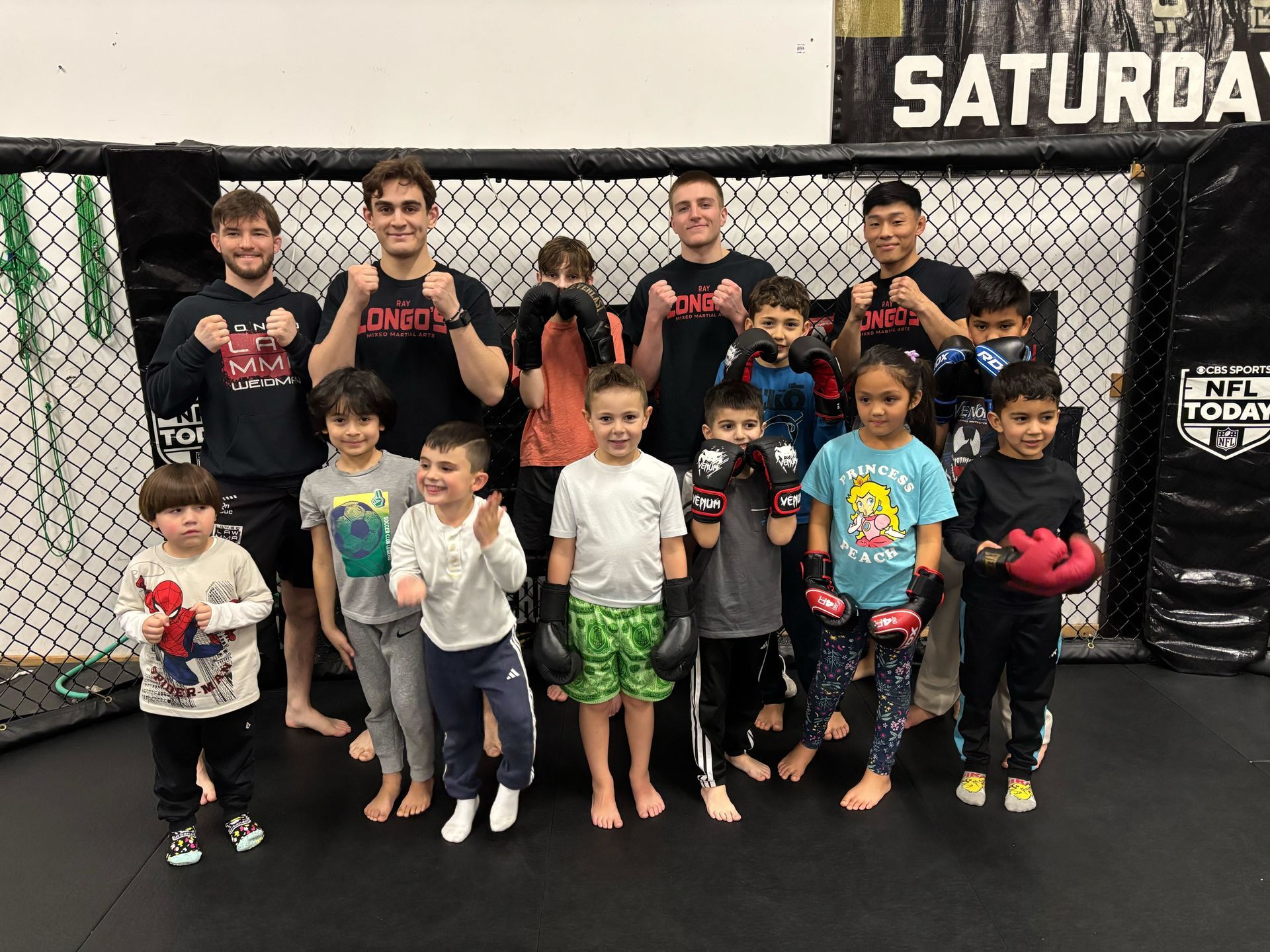
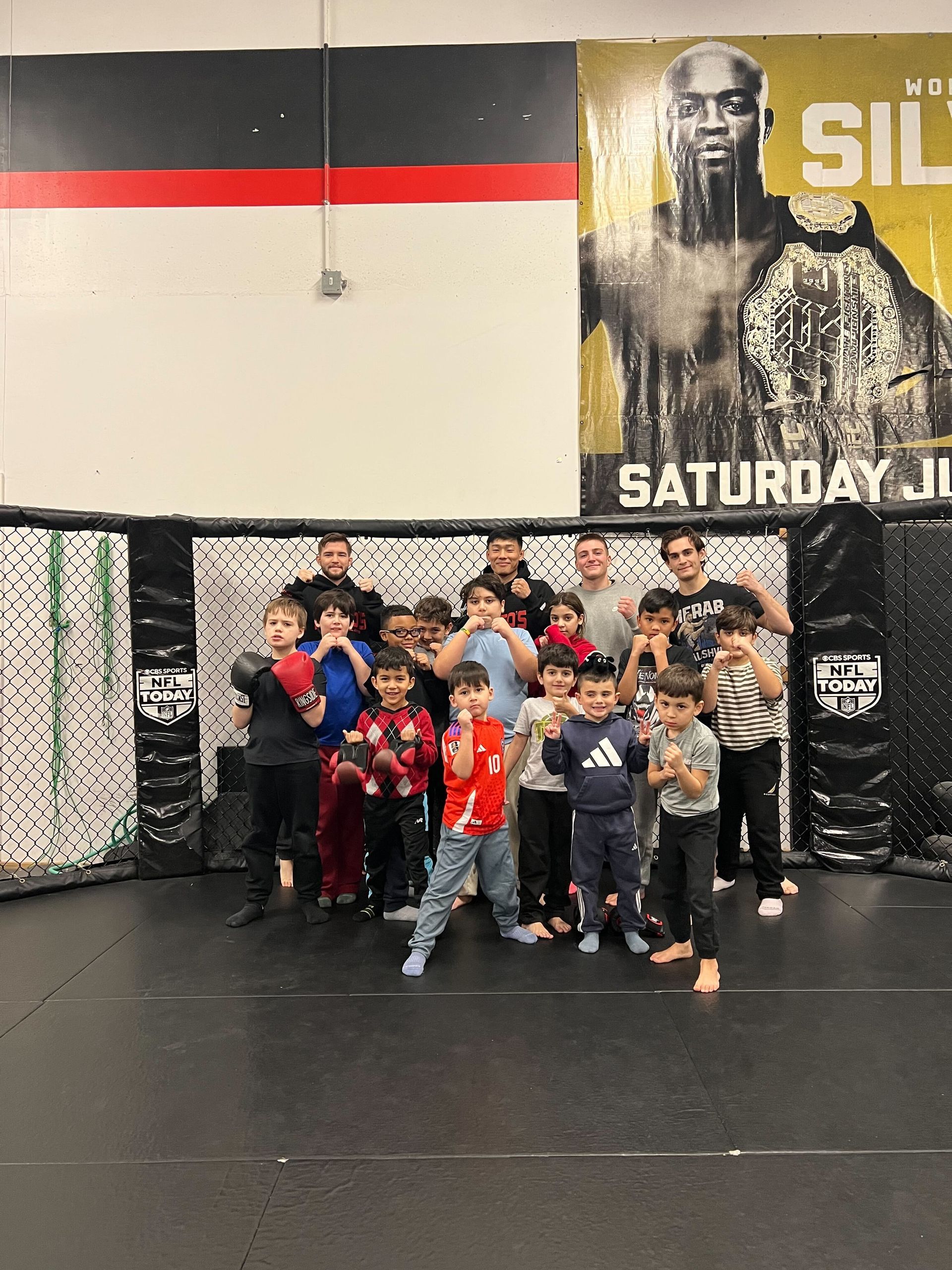
For younger students, martial arts gives structure, accountability, and a safe place to practice respectful behavior. Research consistently ties training to improved self-control and confidence in youth, and many parents notice spillover into school routines.
We focus on helping kids:
- Listen and respond the first time
- Practice patience when something is tricky
- Develop confidence without attitude
- Learn boundaries and personal space in a supervised setting
Women: empowerment, self-defense, and community
Participation among women continues to rise, partly because the benefits are practical and immediate. Self-defense is a real motivator, but so is the feeling of competence that comes from learning how to move, escape, and control positions.
We keep the environment skill-focused and supportive. You should feel challenged and respected, period.
Adaptive needs and different starting points
The broader trend in martial arts includes increased participation among people with disabilities and diverse physical needs, with more adaptive approaches becoming common. Our goal is always to meet you where you are, keep you safe, and help you progress. Training should be demanding, but it should also be doable.
What to expect in our martial arts training experience
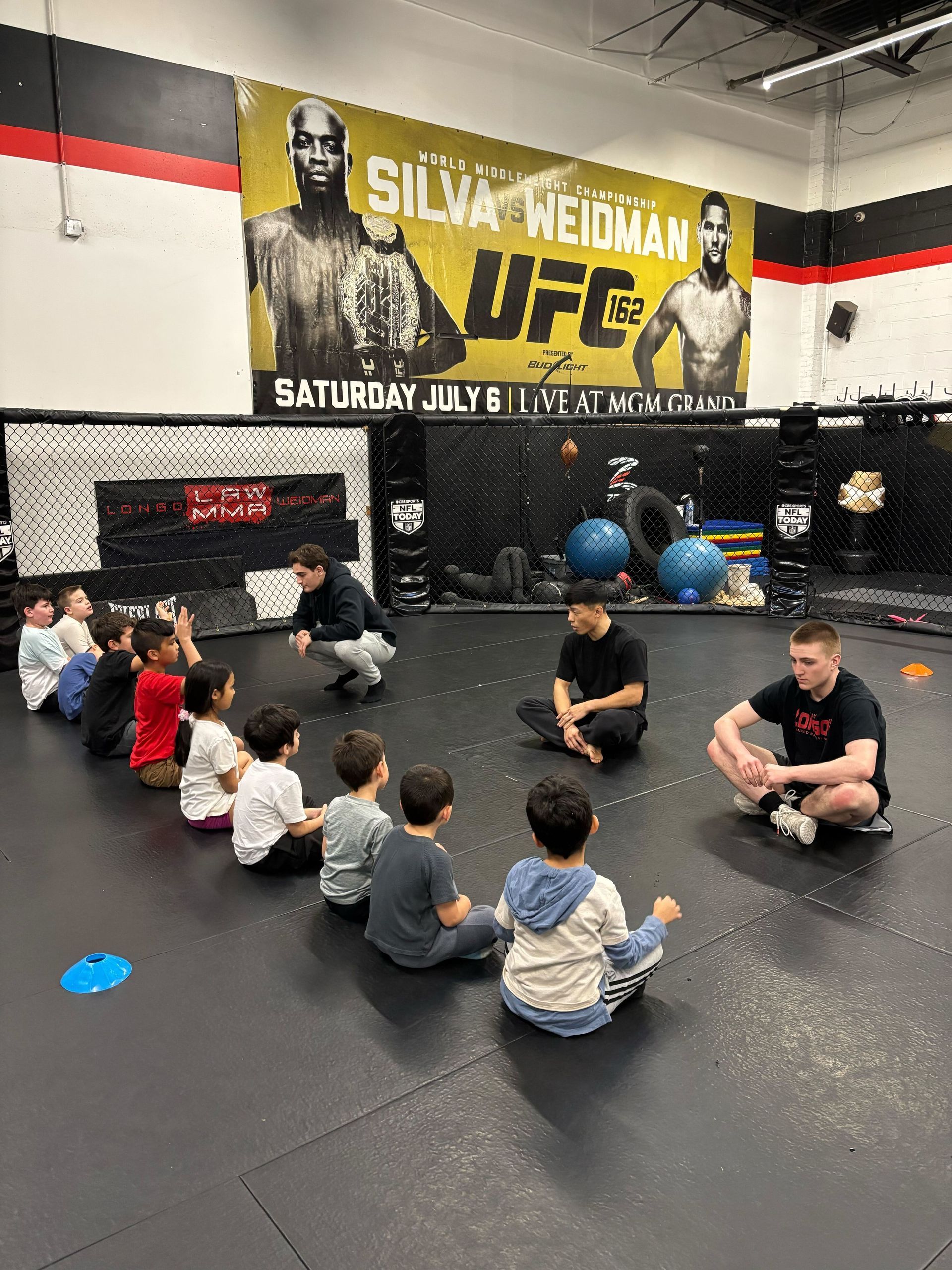
A first class can feel like a lot, but it becomes familiar fast. You’ll typically see a clear warm-up, technique instruction, drilling, and controlled practice. We emphasize learning, not chaos. We want you to understand what you’re doing and why.
Here’s what our beginners usually work on early in the process:
- Movement and balance fundamentals that make every technique easier
- Basic striking mechanics and defensive awareness for practical application
- Grappling positions and escapes that teach leverage over strength
- Breathing and composure skills to manage stress and fatigue
- Partner drills that build timing and control in a safe way
As you progress, training becomes more layered. You’ll connect techniques, improve conditioning naturally, and start seeing how small details change outcomes.
How to start without overthinking it
Getting started is easier when you keep it simple. You don’t need perfect gear or a perfect schedule, you need a first step and a plan for consistency. We offer trial options, and we keep onboarding straightforward so you can focus on training.
A practical way to begin:
1. Check the class schedule and choose a time you can realistically repeat each week
2. Arrive a little early so we can orient you and answer questions
3. Take your first class at a comfortable pace and focus on learning, not “winning”
4. Ask us what to practice next so you have a clear target between sessions
5. Commit to a short consistency window, like 6 to 8 weeks, before judging results
That last point matters. Martial arts rewards repetition. Give it enough time to work.
Take the Next Step with Ray Longo's Mixed Martial Arts
Personal growth is one of those goals that’s easy to postpone because it feels vague. Martial arts makes it specific: you learn skills, you practice under pressure, and you improve one class at a time. In Garden City, that kind of structured growth fits real life, especially when your schedule is already full.
If you’re ready for training that builds fitness, confidence, and resilience in the same hour, we’ll guide you step by step at Ray Longo's Mixed Martial Arts, with a clear program path and a class schedule designed for both adults and kids.
Build stronger fundamentals and refine your skills by joining a martial arts program at Ray Longo’s Mixed Martial Arts.