

Martial Arts for Stress Relief: Techniques Busy Garden City Adults Love
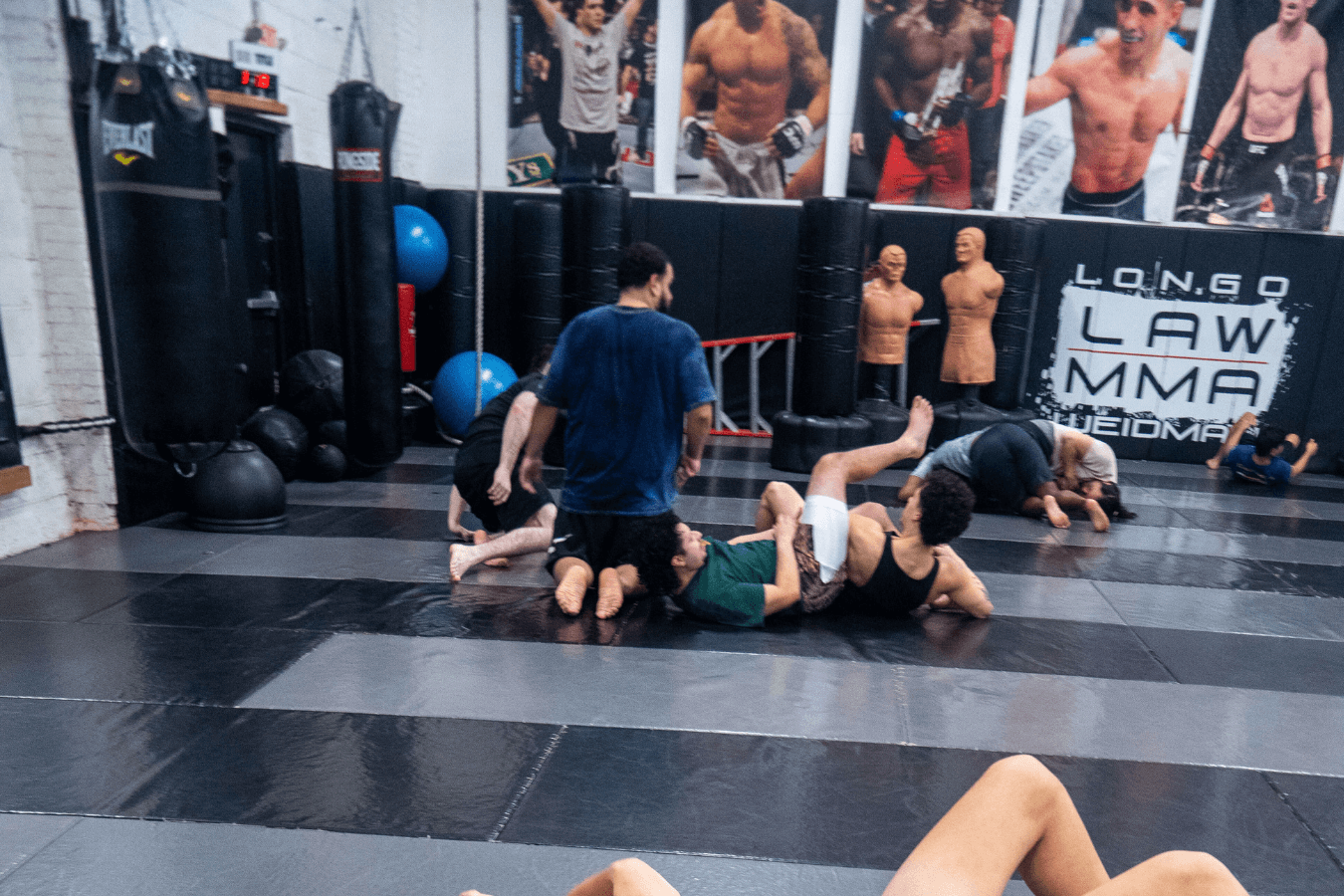
When your calendar is packed, the right training session can feel like hitting a reset button for your body and mind.
If you live or work in Garden City, stress can stack up fast: commute time, meetings that run long, family logistics, and the constant ping of notifications. We see it every week in class. Adults show up carrying tension in their shoulders, a racing mind, and that familiar feeling of being “on” all day. The good news is that martial arts gives you a structured way to turn that stress into something productive.
What makes martial arts different from a random workout is the focus. You are not just burning calories. You are learning skills, following simple goals, and staying present because the drills demand your attention. Research from 2024 and 2025 supports what we notice on the mats: consistent training can help lower stress hormones like cortisol, reduce muscle tension, and improve emotional regulation and resilience over time.
In this guide, we will break down the techniques busy Garden City adults tend to love most for stress relief, how to train safely as a beginner, and how to fit it into a schedule that already feels full.
Why martial arts works for stress relief (and why it feels different than “just exercise”)
Stress lives in the body as much as it lives in the mind. Long hours at a desk, gripping a steering wheel in traffic, or rushing between obligations can keep your nervous system stuck in high gear. Martial arts helps because it blends physical exertion with control: you elevate your heart rate, then practice calming it back down through breathing and technique.
Physiologically, regular training is linked to reductions in cortisol and improvements in how your body handles stress responses. You also work through stored tension in common trouble spots like hips, neck, and lower back, especially when training includes footwork, clinch positioning, and ground movement.
Psychologically, the structure matters. You get clear tasks: stance, timing, combinations, balance, escapes. That kind of goal-focused practice tends to reduce mental noise. Recent meta-analyses also point to measurable improvements in anxiety, depression, fatigue symptoms, and stress control in people who practice martial arts consistently, with moderate effect sizes that compare favorably to general exercise.
The Garden City stress pattern we see most often
Busy adults here usually do not need more intensity, they need a better off switch. The common pattern is a day that runs fast, followed by a night that never fully powers down. Training creates a transition. You walk in with work thoughts bouncing around, then a warmup starts, and within minutes you are paying attention to your breathing and movement instead.
We also notice that stress shows up differently depending on your role. Professionals tend to carry mental overload and jaw tension. Parents often carry fatigue and that “always needed” feeling. Commuters carry tight hips and stiff backs. Our classes are built to meet you where you are, with progressions that let you train hard without feeling crushed.
Stress relief techniques we teach that you can feel immediately
Breath control you can actually use on a stressful day
Breathing is not just a relaxation idea, it is a skill. In striking drills, we coach you to exhale on effort and to recover through controlled nasal breathing when appropriate. That rhythm helps downshift your nervous system after bursts of intensity.
If you want a quick “desk-to-mats” bridge, we often start newer students with simple breathing cues during shadowboxing: loose shoulders, long exhale, hands up, steady feet. It sounds basic, but it works because it trains calm under motion, not calm sitting still.
Striking drills that melt tension without needing aggression
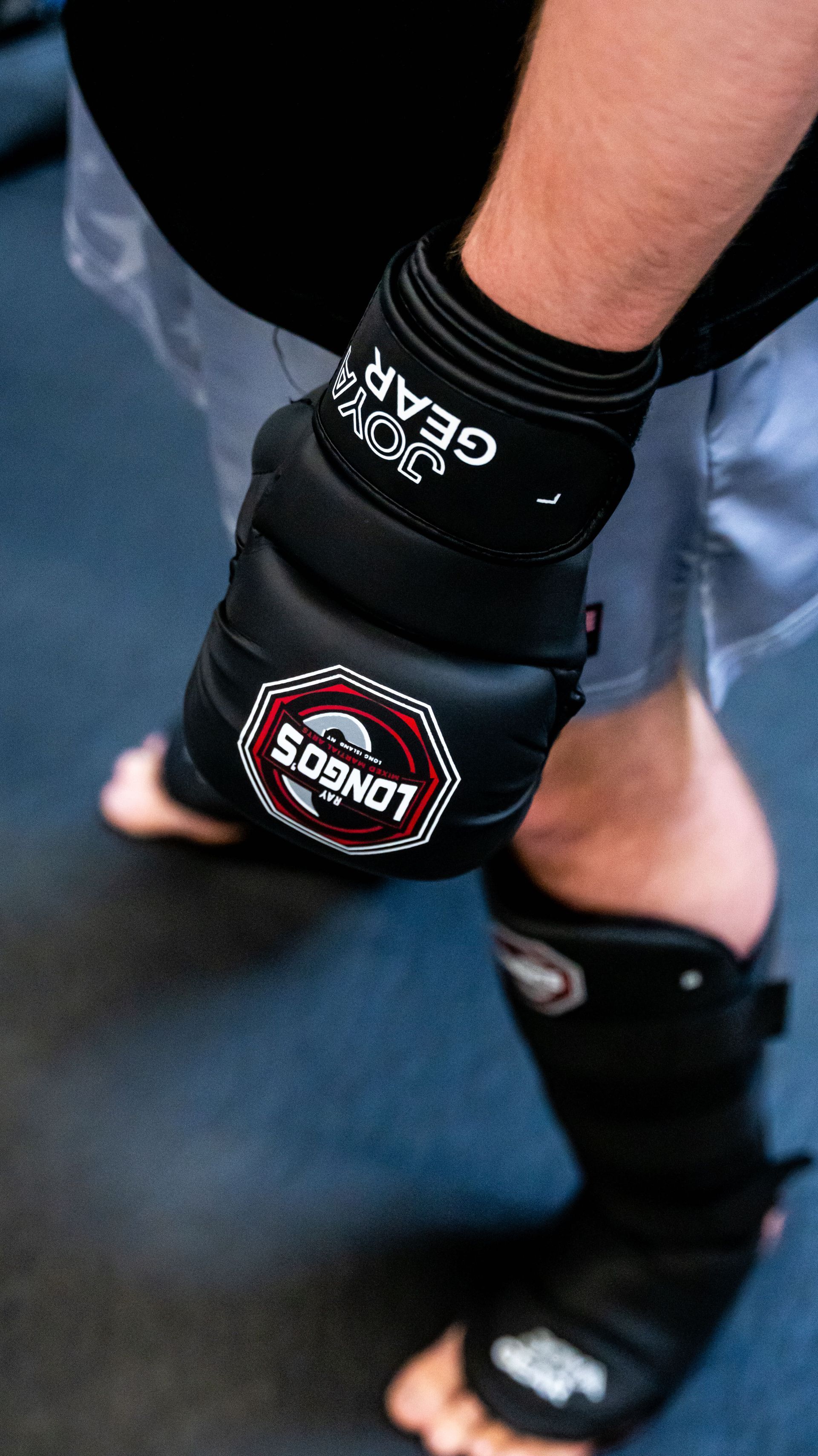
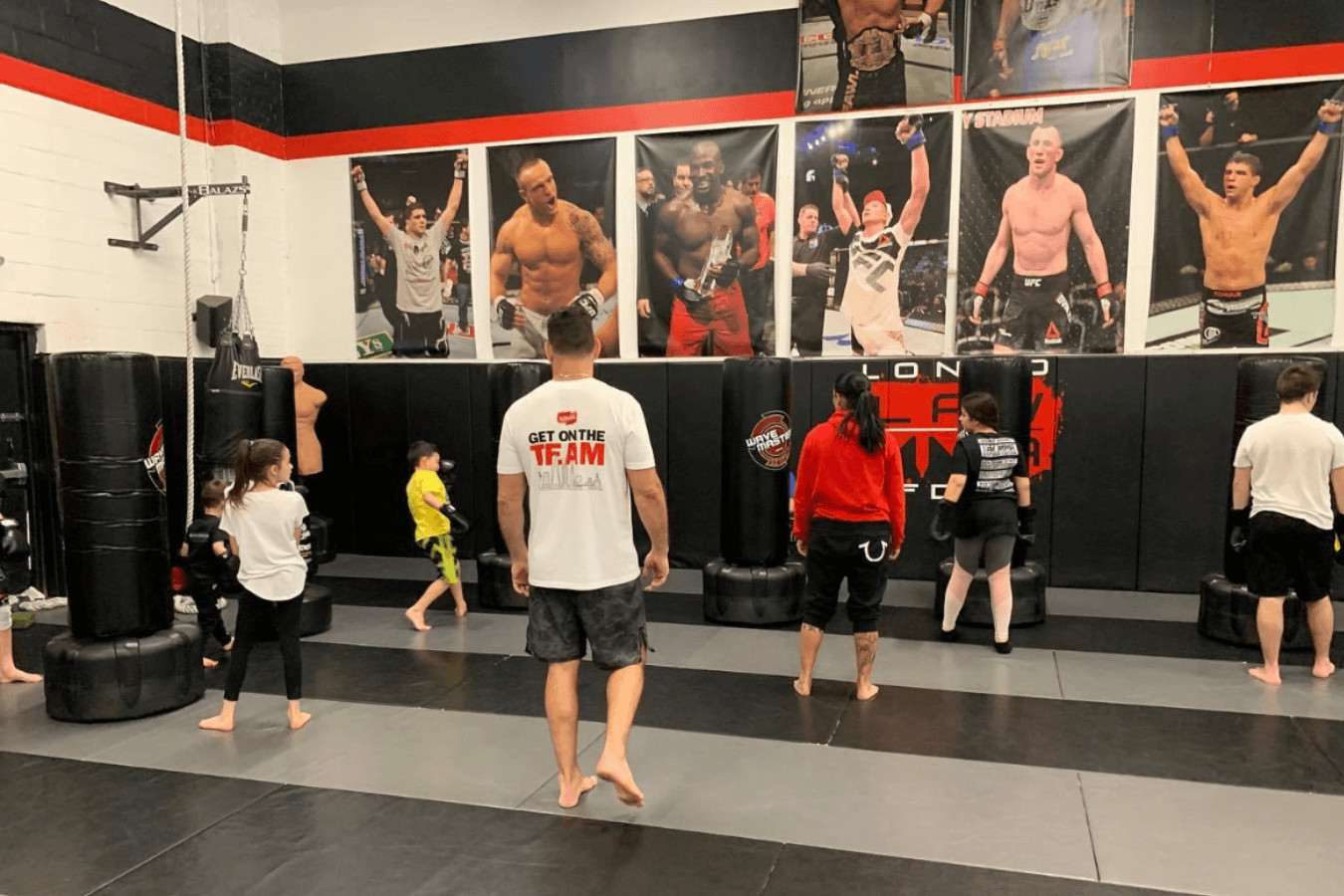
A lot of adults worry that training will make them feel amped up or angry. In practice, clean striking mechanics usually do the opposite. When you hit pads with good form, you release tension while building coordination. Your brain gets a clear job, your body moves with intent, and that scattered energy turns into focus.
We also keep the environment controlled. The point is technique and timing, not trying to “win” a workout. For stress relief, that difference is huge.
Partner drills that build calm confidence
Stress often comes with a subtle feeling of being out of control. Partner drills help because you learn to stay composed with another person in front of you. You practice distance, grips, balance, and reaction without panic.
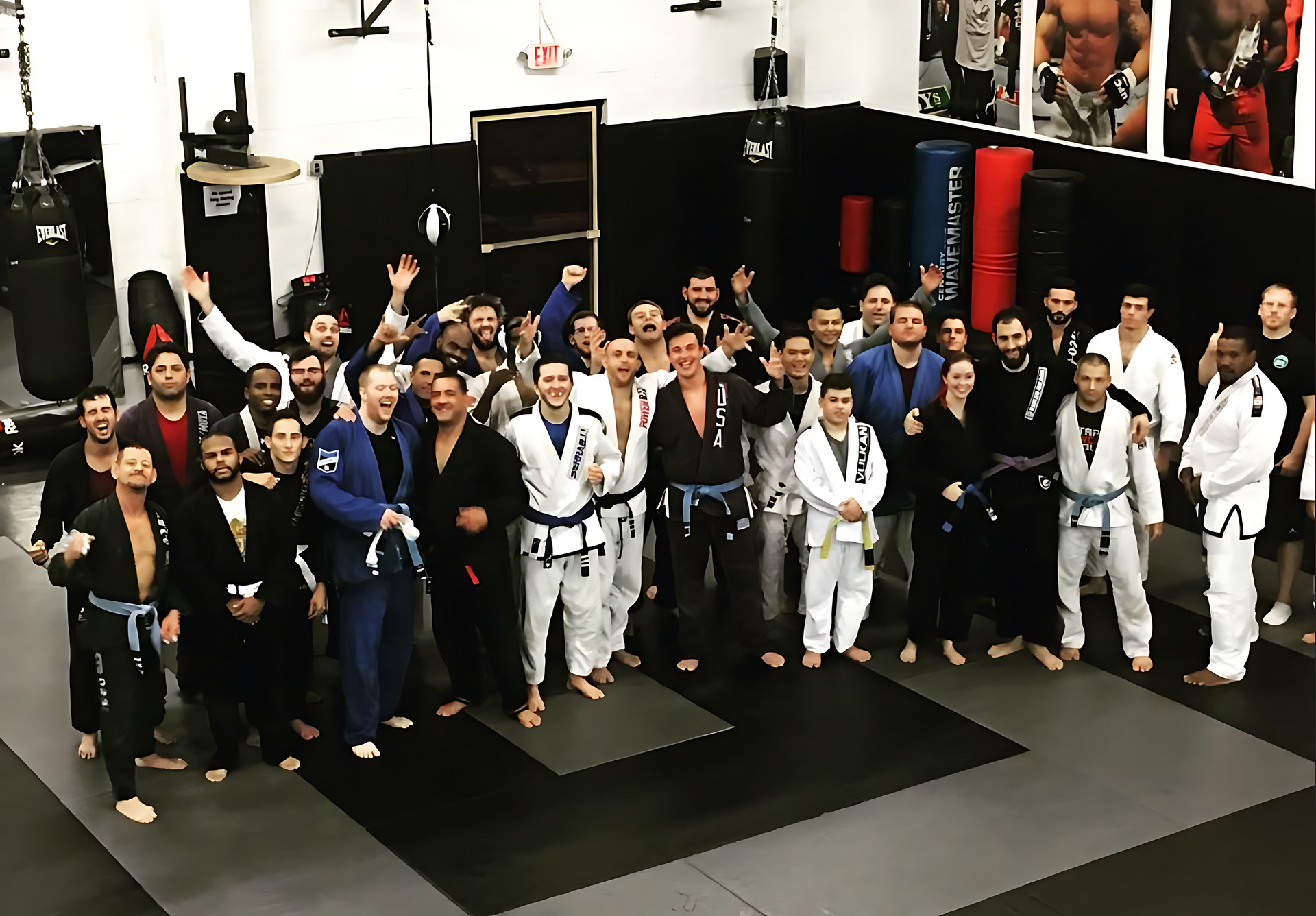
There is also a social benefit. Training partners become familiar faces. Over time, that community support becomes part of the stress relief loop, and it is one reason people stick with martial arts longer than solo fitness plans.
Martial arts for mindfulness, without making it awkward
Mindfulness gets marketed in a lot of ways, and not all of it lands for practical adults. Our version is simple: do one thing at a time, on purpose. You cannot check your phone while drilling footwork. You cannot mentally rehearse tomorrow’s meeting while learning an escape. The mat demands presence.
That presence turns into mental clarity outside of class. Many students tell us their sleep improves and their focus at work feels steadier within a few weeks. Research trends since 2024 increasingly frame martial arts as a non-pharmacological support for mental health, especially because it trains emotional regulation through repeated exposure to controlled stress.
Beginner-friendly training for adults in their 30s, 40s, and 50s
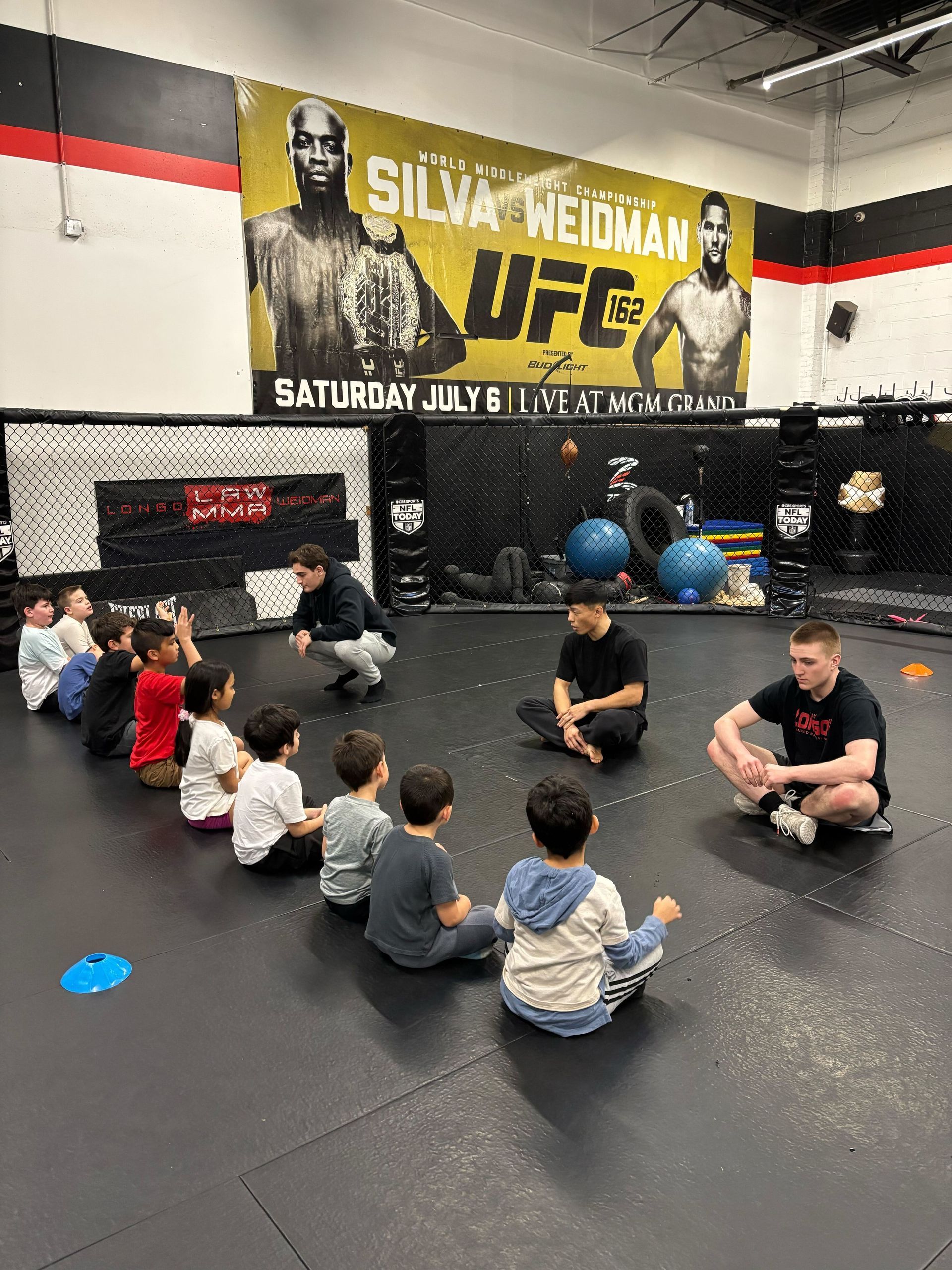
You do not need an athletic background to get the benefits. You need a safe progression. We build fundamentals first: stance, movement, posture, basic positions, and how to protect your joints. Intensity is adjustable, and we can scale drills so you still get a real workout without feeling like you are surviving it.
For stress relief, beginners often do best when the early focus is on quality reps, not maximal output. You will sweat, but you will also leave feeling more organized internally, which is the real goal.
A simple weekly plan that fits a busy Garden City schedule
Consistency beats intensity for stress management. If you train once in a while, it feels good that day, but the bigger changes come when your body starts adapting to stress more efficiently.
A realistic plan for many adults is two to three sessions a week, around 45 to 60 minutes. That is enough to build skill, get the physiological benefits, and create a repeatable routine. If your schedule is unpredictable, we recommend picking two “anchor” days and treating any extra session as a bonus.
Here is a straightforward approach we suggest when you are starting:
1. Choose two class days you can protect most weeks, even if work runs late sometimes
2. Aim for 45 to 60 minutes per session, focused on fundamentals and steady effort
3. Track one simple metric, like sleep quality or how quickly you decompress after work
4. Add a third day only after the first two feel automatic
5. Reassess after four to six weeks, when resilience changes tend to become noticeable
This kind of plan lines up with recent findings that short, consistent training sessions can produce meaningful gains in coping skills and emotional regulation.
“Will I get hurt?” How we keep stress-relief training safe
Injury risk is a valid concern, especially if your main reason for training is to feel better, not to compete. Safety starts with coaching and culture. We emphasize control, tapping early in grappling situations, and building skills in layers. Beginner sessions prioritize technique over hard sparring, and we encourage you to communicate openly so we can tailor intensity.
We also view recovery as part of training. If your shoulders are tight from laptop work or your hips are stiff from commuting, we factor that in. A good session should challenge you and leave you feeling clearer, not beat up.
What to expect after 4 to 6 weeks of consistent training
Stress relief is often noticeable quickly, but the deeper shift is resilience. Instead of feeling like stress runs you, you start feeling like you can respond. That is the point research keeps returning to: improved self-efficacy and better control over stress responses.
Within four to six weeks, many adults notice:
- Better sleep onset, with fewer “mind racing” nights
- Improved mood stability and fewer spikes of irritability
- More energy in the afternoon, even on busy days
- A stronger sense of confidence from measurable skill progress
- A healthier relationship with physical discomfort, because you learn you can handle it
Those outcomes are not magic, and they are not instant. But they are common when martial arts becomes a steady part of your week.
The stress-busting value of MMA-style training in Garden City
People searching MMA Garden City are often looking for something practical, engaging, and efficient. MMA-style training blends striking, grappling, and conditioning in a way that keeps your brain active and your body working as a unit. That combination matters for stress relief because it pulls you out of repetitive thought loops.
It also keeps training interesting. When you are learning new skills, you get a healthy dose of novelty, which is a powerful antidote to the stale feeling that comes with nonstop routine.
And if you are specifically looking for martial arts classes in Garden City, it helps to know what you want from training. If your primary goal is stress relief, the best classes are the ones that balance structure, safety, and progress. You should feel coached, not thrown into chaos.
Take the Next Step
If you want stress relief that is tangible and repeatable, martial arts gives you a path that is both physical and mental: you train hard, you learn control, and you walk out feeling lighter and more capable. The best part is that progress is measurable. You can feel your breathing improve, your shoulders drop, and your attention sharpen as the weeks add up.
We built our approach at Ray Longo's Mixed Martial Arts around that real-world balance: focused training, beginner-friendly progressions, and a class environment where busy Garden City adults can reset without needing a huge time commitment. If you are ready to see how this fits into your week, we would love to have you in class at Ray Longo's Mixed Martial Arts.
Ready to train? Join a martial arts class at Ray Longo’s Mixed Martial Arts today.