

Discover How Martial Arts Training Builds Leadership Skills in Garden City
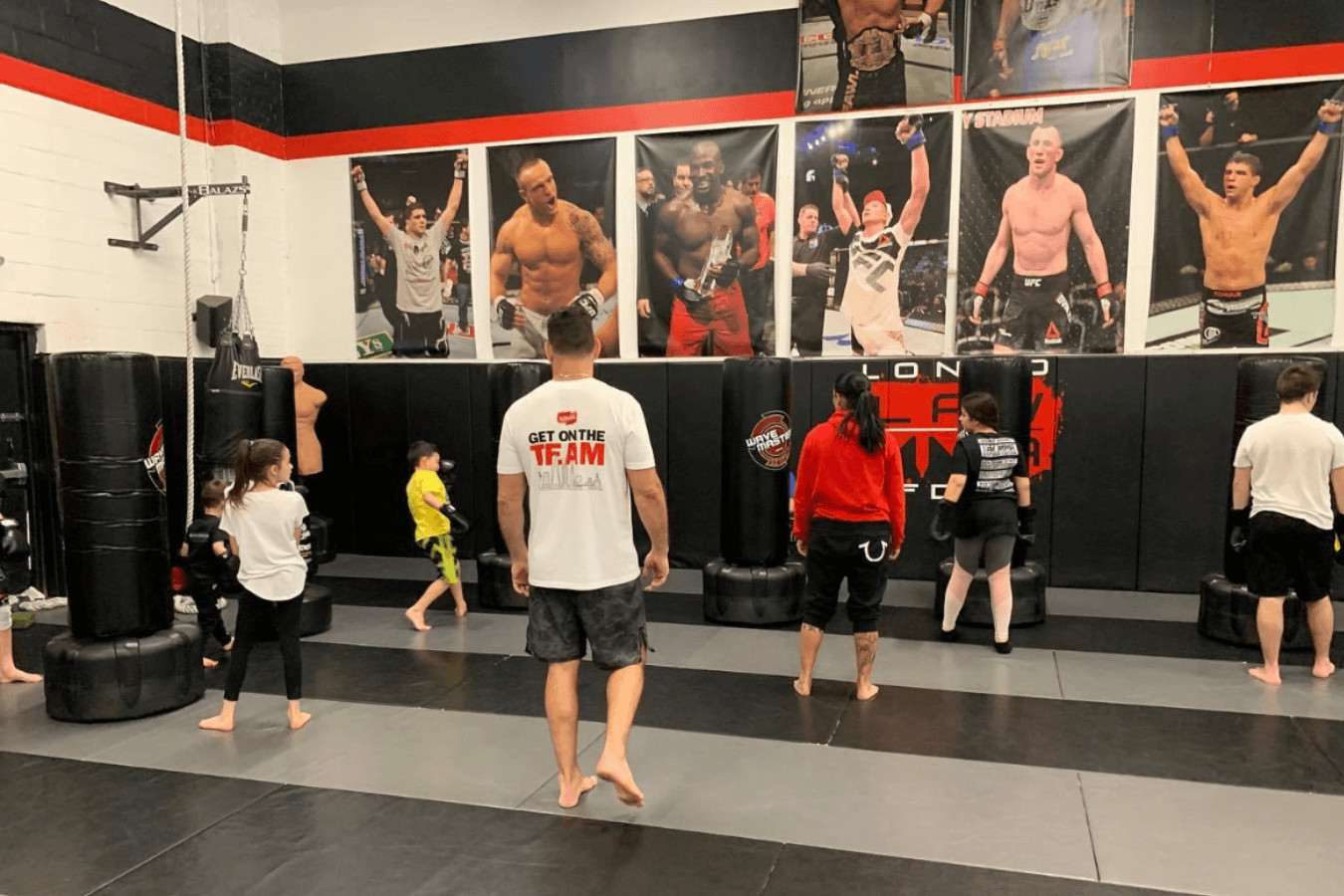
Martial arts training turns everyday practice into leadership habits you can use at school, work, and home.
Leadership is not only about being the loudest voice in the room. In our experience, strong leadership usually looks quieter: showing up consistently, staying calm under pressure, listening well, and doing the work even when nobody is watching. Those are learnable skills, and martial arts is one of the most practical ways to build them.
Here in Garden City, we see students of all ages walk in for fitness, confidence, or a new challenge and then realize something unexpected: training changes how you carry yourself outside the gym. You start making clearer decisions. You communicate with more purpose. You take responsibility for your progress. That is leadership, built rep by rep.
This article breaks down how leadership skills develop through training, what that looks like in real life, and how our approach in martial arts Garden City helps you practice leadership in a structured, supportive environment.
Why leadership and martial arts fit together so naturally
Martial arts is a leadership lab you can step into a few times a week. You get immediate feedback, clear goals, and a safe place to try, fail, adjust, and try again. That cycle is the same one effective leaders use when stakes are high, whether you are managing a project team or trying to keep your cool during a tough week.
The structure matters. Classes have rules, pace, and expectations, but the results are personal. You are learning techniques, yes, but you are also learning how to learn. Over time, that becomes a reliable inner skill set: discipline, composure, and the ability to stay solution-focused when things get messy.
Confidence that is earned, not borrowed
Progress creates real self-belief
Confidence in martial arts does not come from hype. It comes from proof. You practice fundamentals until they are yours, you handle new challenges, and you notice that you can do more than you thought. That experience builds self-esteem that tends to stick, because you earned it.
We also like that confidence in training is measurable. Maybe you held your stance longer. Maybe your timing improved. Maybe you stayed present during a hard round instead of mentally checking out. Those are small wins, but stacked together they change how you see yourself, and leaders need that grounded self-trust.
Calm is a form of leadership
One of the most overlooked leadership traits is calm. In training, your breathing, posture, and attention are part of your performance. When you learn to settle your nervous system and keep thinking, you bring that skill everywhere: presentations, interviews, parenting moments, and stressful conversations.
This is one reason MMA Garden City programs attract people who want more than a workout. The physical side is real, but the mental steadiness you build is often the bigger takeaway.
Communication skills you practice every class
Listening is trained, not assumed
Good communication starts with listening, and martial arts rewards it immediately. If you do not listen to coaching cues, you do not improve as fast. If you do not pay attention to your partner, drills break down. That feedback loop encourages active listening without anyone giving a lecture about it.
We keep coaching clear and specific so you can apply it right away. Over time, you get used to receiving feedback without taking it personally. That is a leadership skill that helps in workplaces and teams, where misunderstandings often come from defensiveness, not lack of talent.
Non-verbal communication becomes obvious
Martial arts teaches you how much information lives in body language: distance, stance, eye focus, and timing. You learn to read what is happening in front of you and respond, not react. That ability to notice subtle signals improves how you navigate group dynamics, even outside training.
In leadership roles, non-verbal communication can set the tone before you say a word. Training gives you a controlled space to become aware of it, then refine it.
Discipline and responsibility: the leadership engine
Consistency is where results come from
Leaders are not only “motivated.” Leaders are consistent. Training makes consistency visible because progress depends on it. If you train sporadically, your timing and conditioning slip. If you show up regularly, you build momentum.
We help you build a routine by keeping our class schedule straightforward and by offering structured sessions where you know what you are working on. The goal is not perfection. The goal is dependable effort, week after week.
Ownership replaces excuses
Martial arts does something interesting: it makes your inputs hard to hide from yourself. If you rush technique, you feel it. If you avoid hard rounds, you know it. That is not punishment, it is clarity. And clarity helps you grow.
Responsibility is a leadership trait because it creates trust. When you take ownership of your development in training, it becomes easier to take ownership of your work, your relationships, and your long-term goals.
Teamwork, empathy, and how to lead without ego
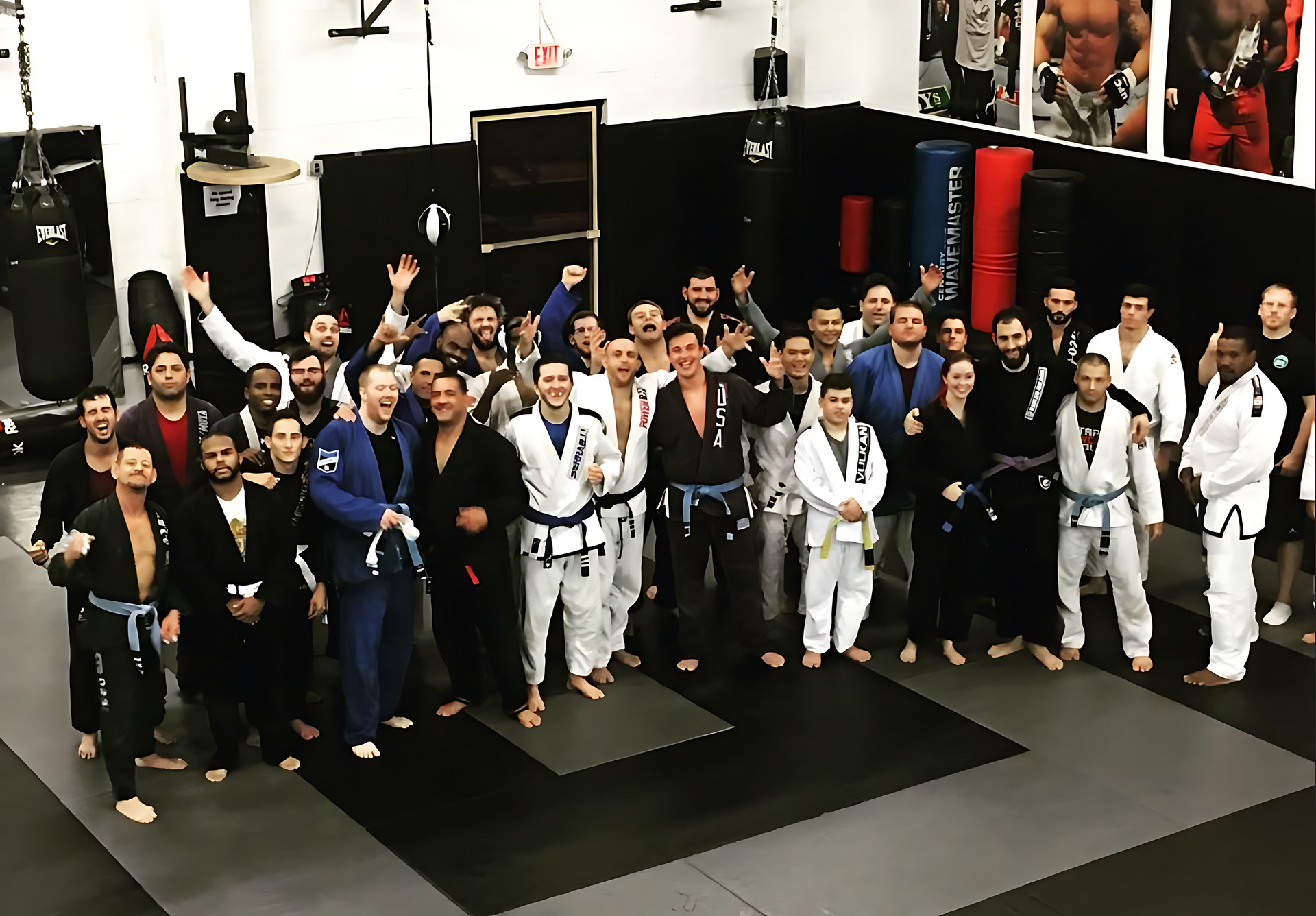
Even though martial arts can look individual from the outside, most real progress happens with other people: partner drills, controlled sparring, shared warmups, and the simple rhythm of being part of a room that trains together.
When you work with partners consistently, you learn empathy in a practical way. You notice when someone is tired. You learn how to push without being reckless. You learn to be competitive without being disrespectful. That balance matters in leadership, where you often need to hold standards while still understanding the people you are leading.
Here are a few teamwork habits that show up naturally in training and translate directly into leadership:
• You learn to give focused effort while keeping your partner safe, which builds trust quickly.
• You practice encouraging others without making it about you, because the room improves together.
• You adapt your pace to match the drill and the partner, which is a real-world collaboration skill.
• You handle wins and losses with composure, which keeps group morale stable.
• You show respect through simple actions: attention, control, and accountability.
Problem-solving and adaptability under pressure
Training teaches you to think in real time
In martial arts, plans meet reality fast. A technique that works in isolation needs adjustments when timing changes. A strategy that feels right can fall apart if your opponent moves differently than expected. That is not a failure, it is the point.
We coach you to treat each exchange as information. What is available? What is the safest option? What is the next best position? That habit of scanning, deciding, and adapting is exactly what leaders do during complex projects, conflicts, or sudden changes at work.
Pressure becomes familiar instead of scary
Pressure is part of leadership. Deadlines, responsibility, and uncertainty all add stress. Training creates manageable pressure in a controlled environment, so you can practice staying functional while your heart rate climbs.
The goal is not to “be fearless.” The goal is to stay effective. Over time, you learn that discomfort is not an emergency. That shift alone can change how you lead.
Respect and humility: the culture that makes leadership sustainable
Leadership without humility turns into ego management. Martial arts keeps humility close because there is always something to refine. Nobody “arrives.” You improve, you get tested, you learn again.
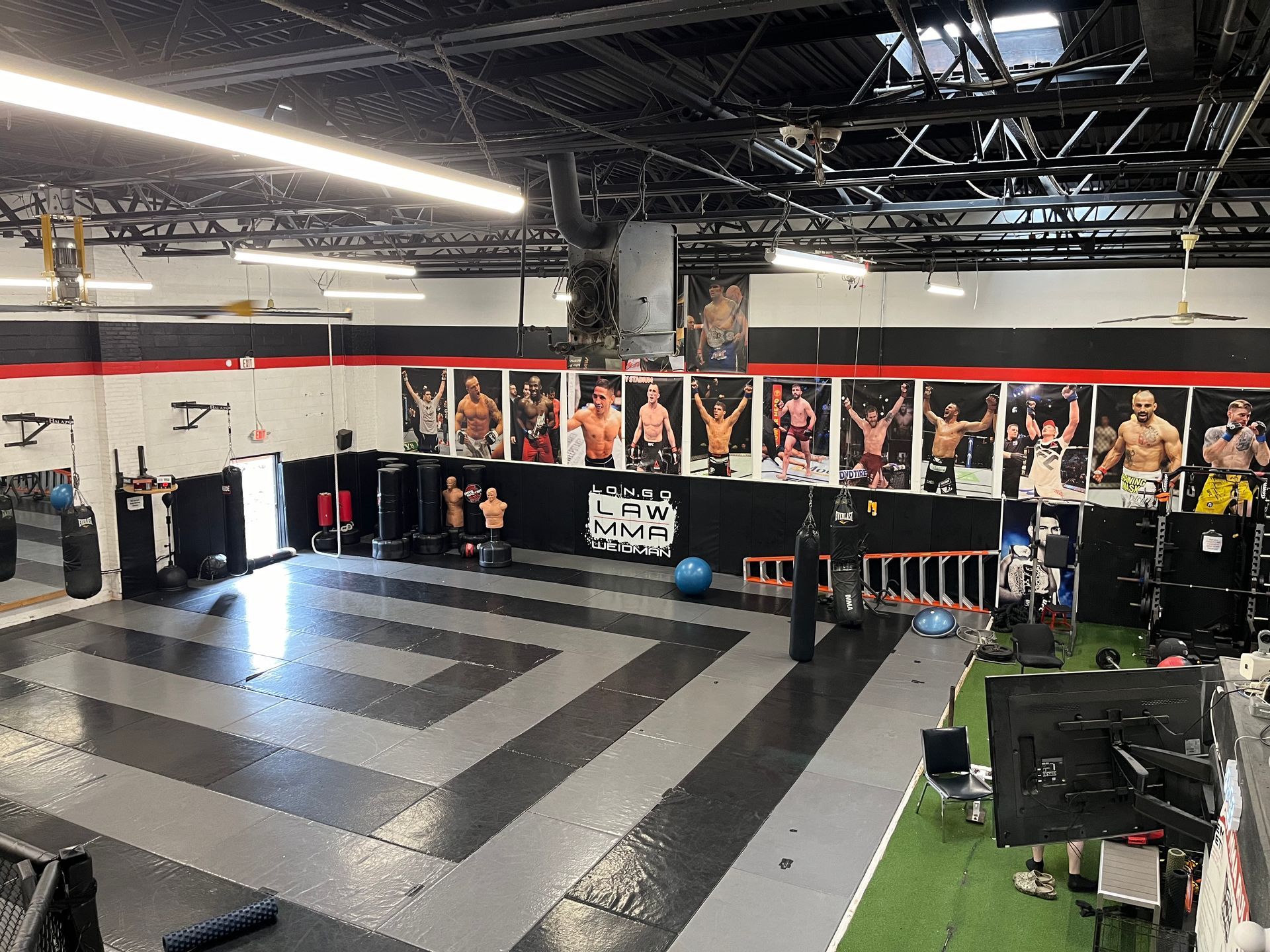
Respect shows up in the small things: how you treat training partners, how you respond to coaching, and how you carry yourself when you are tired. We build those expectations into the environment because they protect the quality of training and the safety of everyone on the mats.
If you are looking for martial arts Garden City options specifically for leadership growth, culture matters as much as curriculum. A respectful room lets you take risks, learn from mistakes, and develop confidence the right way.
What leadership development looks like across ages
Kids: structure, attention, and positive responsibility
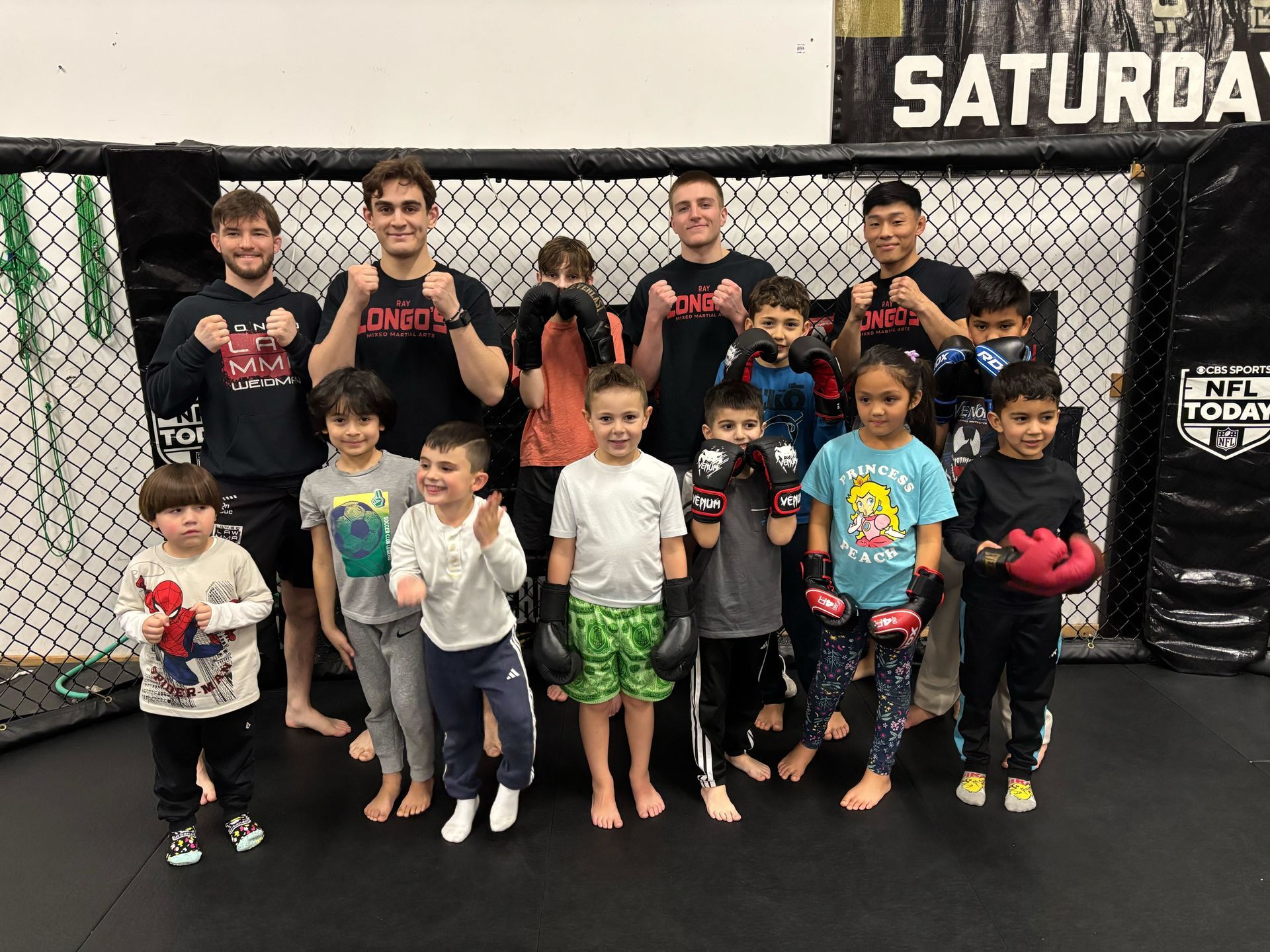
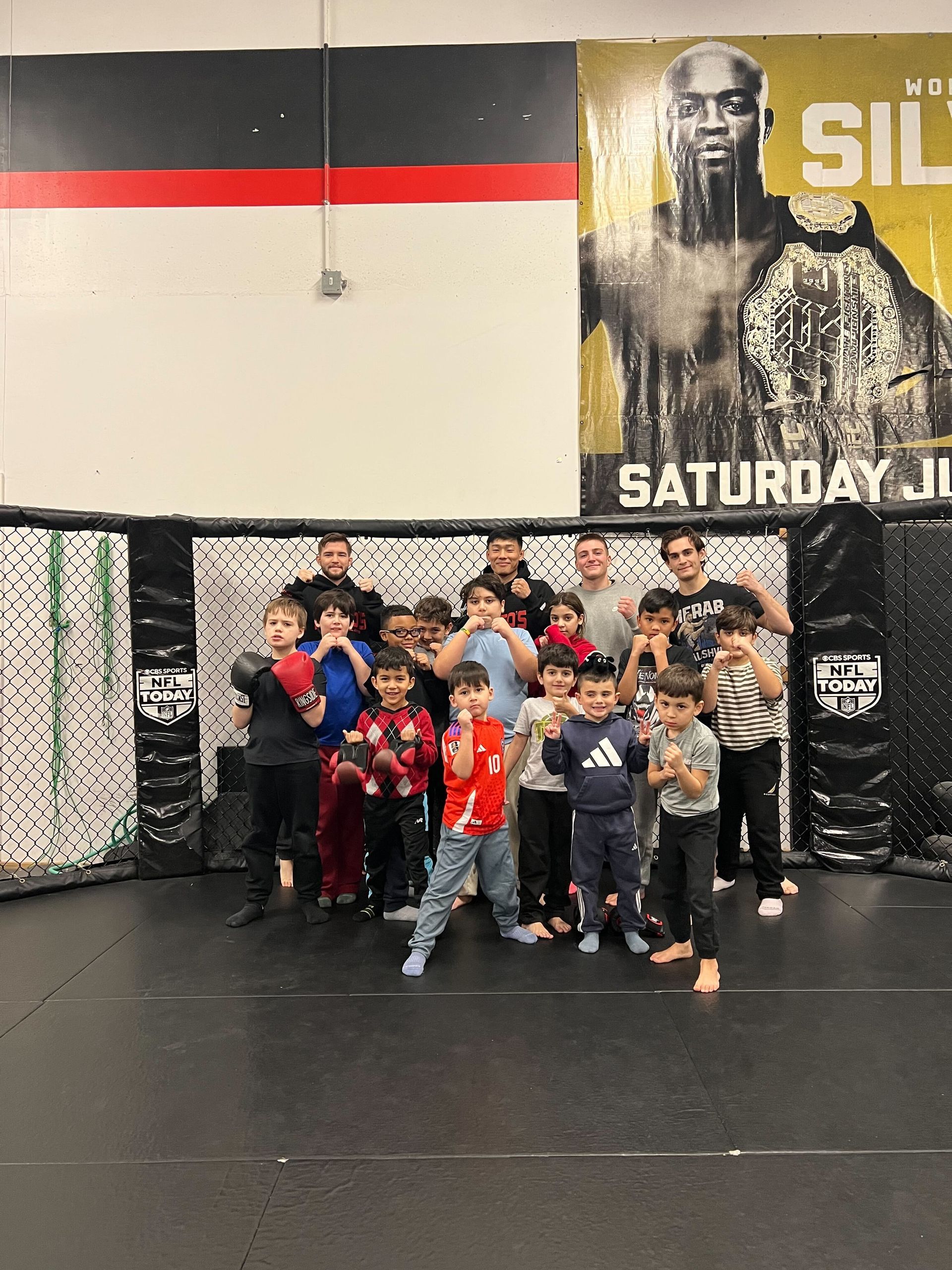
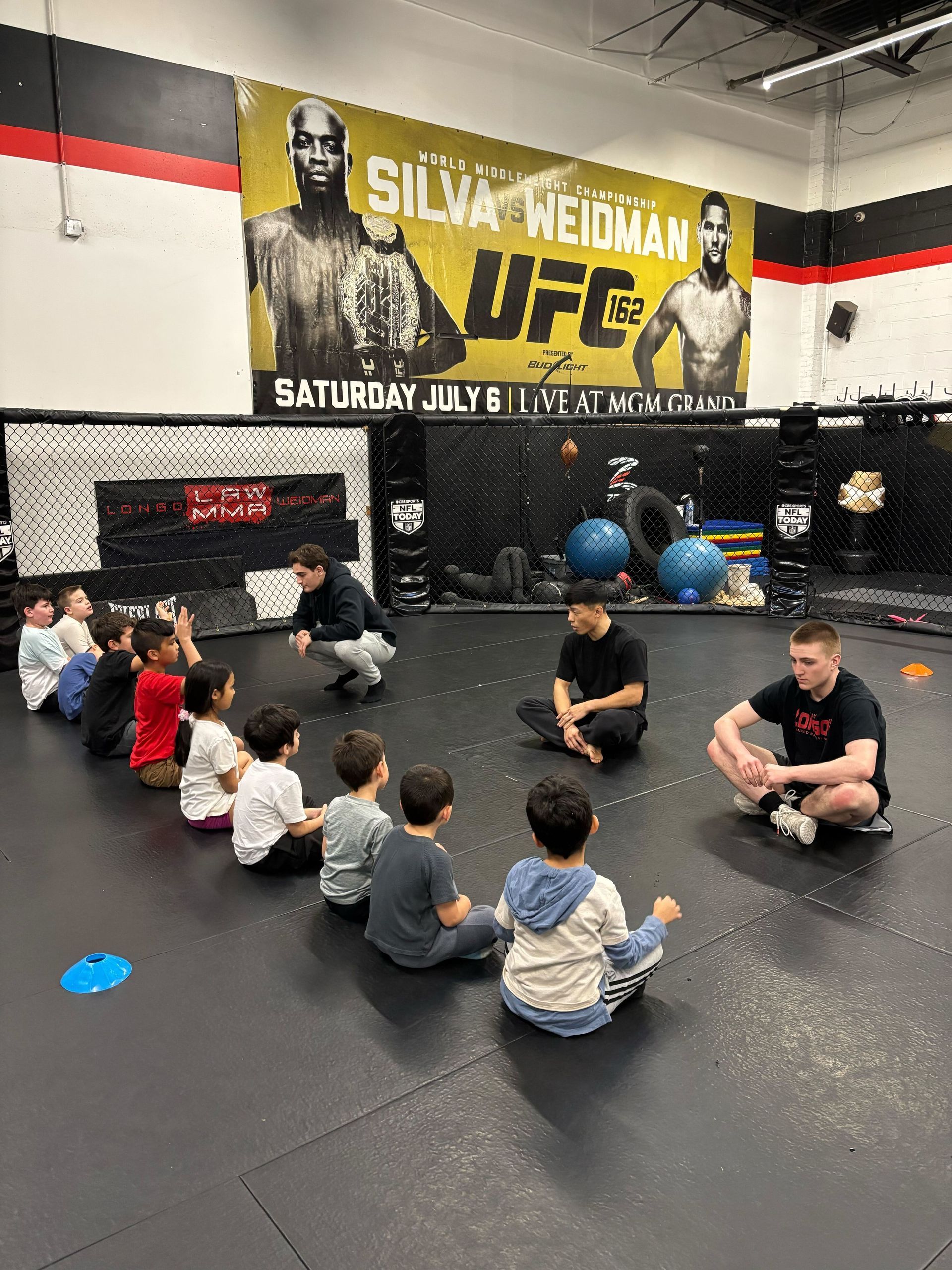
Kids often grow into leadership through routines they can understand. Training helps kids practice listening, following directions, and trying again after mistakes. Those sound simple, but they are big building blocks for leadership in school and social settings.
We also like the way training turns energy into focus. A kid who struggles to sit still can learn to channel that drive into drills and structured challenges, and that confidence can spill into the classroom.
Teens: identity, confidence, and social pressure
Teens deal with pressure constantly. Martial arts gives teens a place to build competence that is real, not performative. They learn to communicate, handle feedback, and set boundaries. They also learn that leadership is not popularity, it is character under stress.
This is where discipline can become personal. A teen who chooses to train regularly is practicing self-leadership, and that often comes before leading others.
Adults: composure, communication, and decision-making
Adults usually come in juggling responsibilities. Training becomes a reset that improves energy, focus, and confidence. The leadership benefits show up in meetings, in parenting, and in how you handle conflict.
Martial arts also helps many adults reconnect with learning itself. When you can be a beginner again, you get more adaptable. And adaptability is one of the most valuable leadership traits in any industry.
How to approach training like a leader (a simple framework)
If your goal is leadership development, you do not need to overcomplicate it. You need a repeatable approach. Here is a practical way to use training to strengthen leadership skills:
1. Pick a consistent weekly schedule from the class schedule page and protect it like an appointment.
2. Set one technical focus per week, such as footwork, breathing, or defensive awareness, and track small improvements.
3. Ask for feedback and apply it in the next round instead of saving it for “later.”
4. Practice composure by controlling your pace and breathing when intensity rises.
5. Reflect for two minutes after class on what you did well and what you will adjust next time.
This kind of structure makes progress predictable, and predictability builds confidence. It also makes the benefits of martial arts show up beyond the gym, because you are training your habits, not only your technique.
Take the Next Step
If you want leadership skills you can feel in your daily life, martial arts is one of the most direct paths we know, especially when you train with clear structure and consistent coaching. At Ray Longo's Mixed Martial Arts, we focus on building disciplined, adaptable students who can communicate well, stay calm under pressure, and keep improving without ego getting in the way.
Whether your goal is personal growth, better fitness, or a stronger mindset for work and family, our programs in Garden City give you a place to practice leadership the same way you build technique: with repetition, feedback, and a supportive room that takes progress seriously. When you are ready, we will help you start at the right level and keep moving forward.
See firsthand what makes training at Ray Longo’s Mixed Martial Arts exceptional by joining a class today.