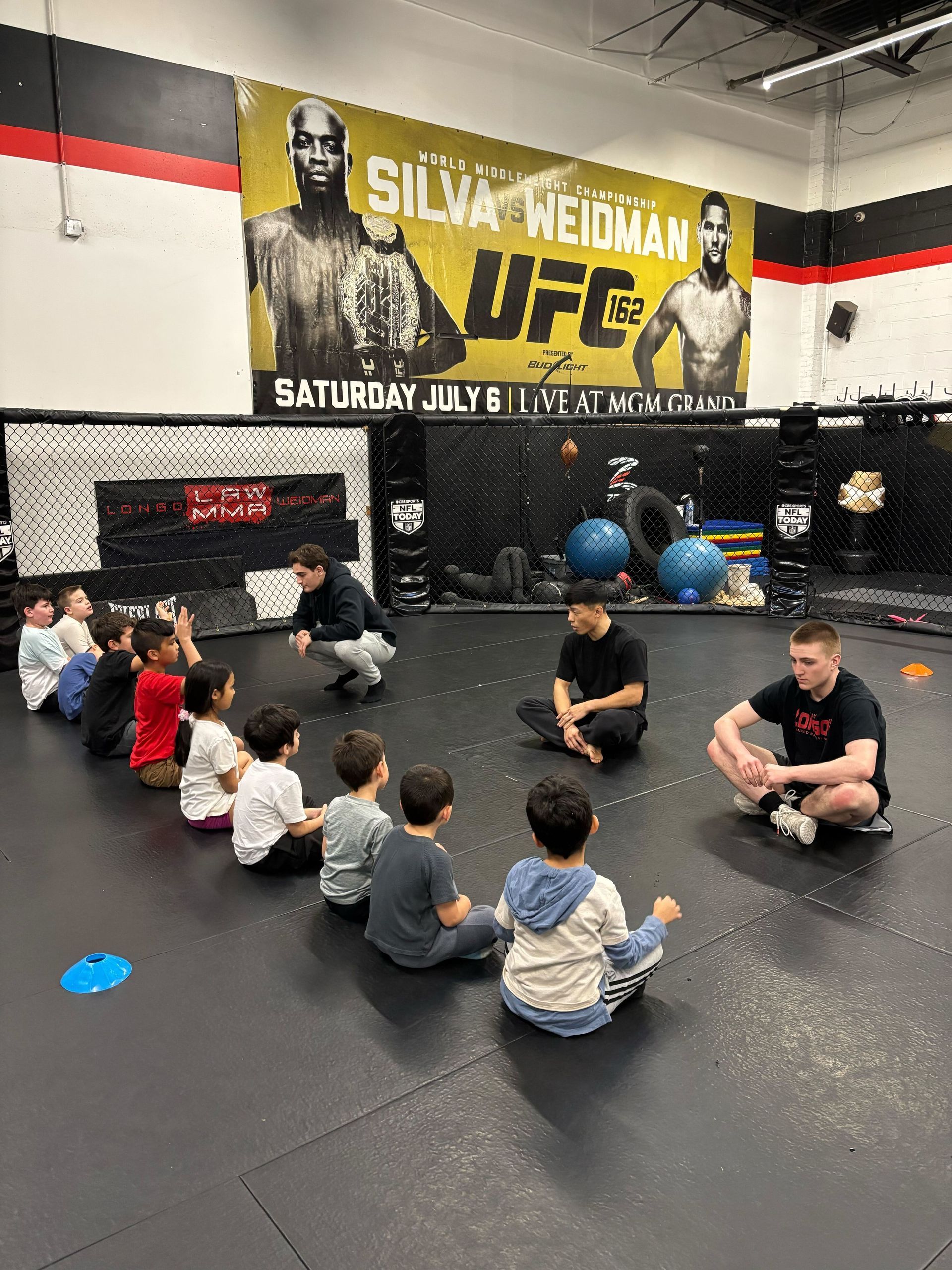


7 Ways Mixed Martial Arts Training Transforms Your Daily Routine
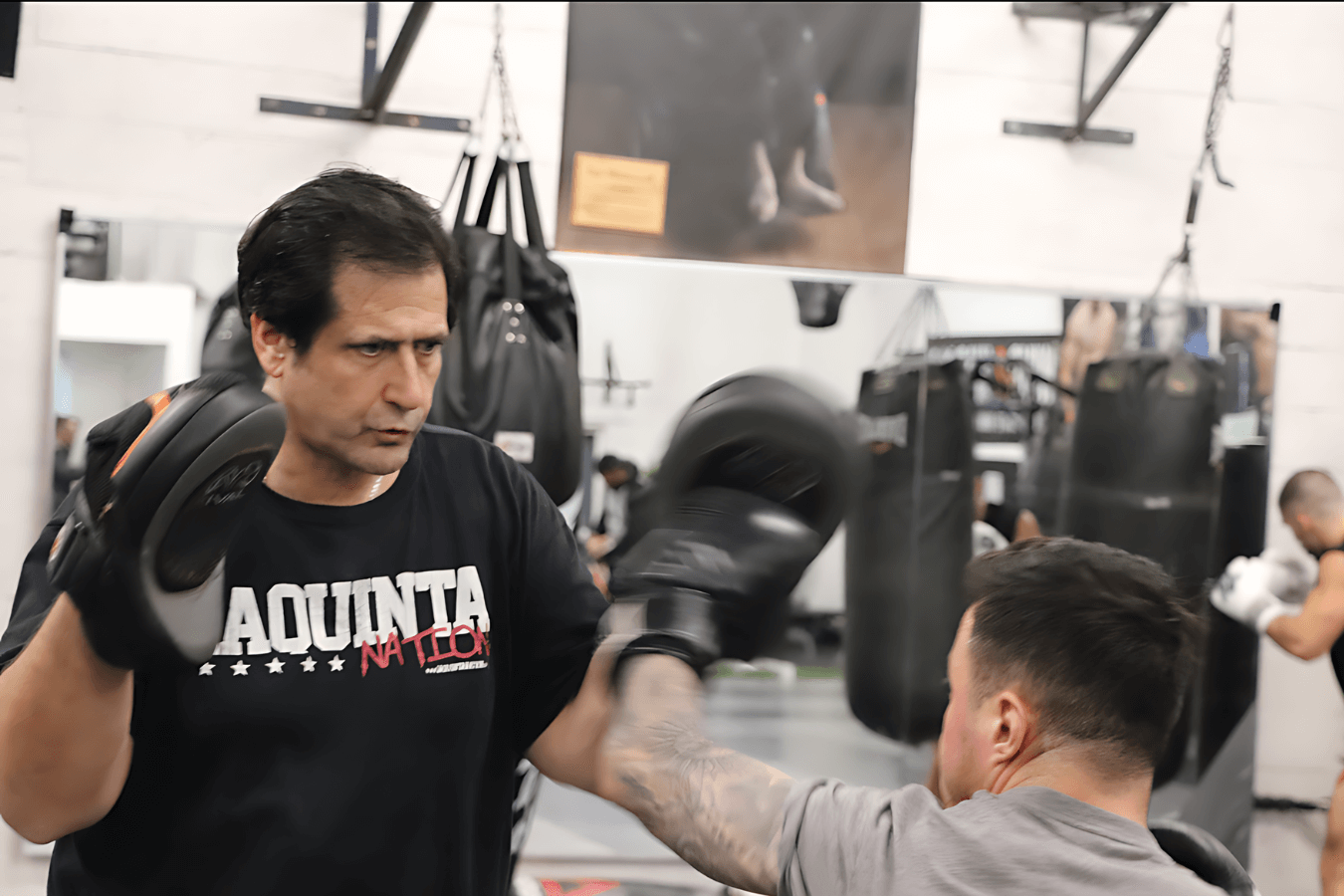
Mixed Martial Arts is one of the few workouts that changes how you move, eat, sleep, and handle stress, not just how you look.
Busy schedules in Garden City can make “getting in shape” feel like one more thing to juggle. What we see in our classes, though, is that Mixed Martial Arts training tends to simplify life over time, because it gives your day structure, a place to put stress, and a measurable path forward.
MMA is not just one skill. It blends striking and grappling styles, typically including boxing, Muay Thai, wrestling, and Brazilian jiu-jitsu, plus conditioning that pushes your heart rate in a way steady cardio rarely does. That blend is exactly why the benefits show up outside the gym, in the way you approach work, family time, and even the choices you make at the grocery store.
If you are looking for Martial Arts Garden City options that feel practical and modern, this is where MMA stands out: it builds fitness and life habits at the same time. Below are seven routine-level changes our students commonly notice, along with ways you can lean into them from your very first week.
1. You start the day with more energy because your cardio actually improves
A lot of people think “cardio” means a treadmill and a timer. In Mixed Martial Arts, conditioning happens in bursts, like pad rounds, footwork drills, sprawls, and short grappling exchanges. This is closer to HIIT than traditional steady-state exercise, which matters because it trains your body to recover quickly after intensity.
Over a few weeks of consistent training, many students notice everyday tasks feel lighter: stairs are less annoying, carrying bags is easier, and that mid-afternoon slump does not hit as hard. It is not magic. Your heart and lungs adapt to repeated efforts, and your body learns to regulate breathing under pressure, which is a skill you can use anywhere.
What we build in class that transfers to daily life
We coach you to breathe with intent, stay relaxed when your heart rate climbs, and keep moving efficiently. That combination improves endurance without you needing to “be a cardio person” first.
2. Your nutrition gets cleaner because your body asks for better fuel
One of the most underrated routine upgrades from MMA training is how it quietly changes your appetite. After a tough session, your body tends to crave real recovery: protein, carbs that support training, and enough water and electrolytes to feel normal again.
You do not need a perfect meal plan to benefit. What you need is a simple approach you can repeat, especially on training days. When you train consistently, you also start to notice what does not work, like skipping lunch and then trying to spar at night. Your performance gives you feedback fast.
Here are a few recovery habits we encourage because they are realistic for a Garden City schedule:
• Build meals around protein first, such as chicken, fish, eggs, Greek yogurt, tofu, or lean beef, to support muscle repair
• Add a performance carb, like rice, potatoes, fruit, or oats, so you have energy for rounds and drills
• Hydrate earlier than you think you need to, because dehydration shows up as fatigue and headaches
• Keep a simple post-class option ready, like a shake plus a banana, so late training does not turn into random snacking
• Aim for consistency over perfection, because routine beats intensity when you want lasting change
This is where Mixed Martial Arts becomes a lifestyle practice, not just a workout. You start planning your day around feeling capable, not just getting through it.
3. Your sleep improves because your nervous system finally downshifts
People often come in telling us they feel “tired but wired.” Training helps because it gives your body a clear signal: work hard, then recover. That pattern supports better sleep timing, especially when you train a few days per week.
There is also a mental angle here. Technique training demands attention, and that focus can act like a reset button after a long day. When your brain spends an hour on footwork, timing, positioning, and controlled sparring, it has less room to replay emails, deadlines, or the same looping thoughts.
A simple routine that helps on training nights
Try to keep your post-class routine calm: water, a light meal if needed, a shower, and dimmer lights. You do not have to be strict, but you do want to give your body permission to recover. Most people find that if they do this consistently, sleep quality follows.
4. You get better at time management because training forces honest scheduling
MMA is not the kind of thing you “sort of” do and get the full benefit. Even two to three sessions per week can change your fitness and your mindset, but it has to be real time on the calendar. That is why our students often become more protective of their schedule in a good way.
When you commit to training, you start making small, practical decisions that save time: prepping gym clothes the night before, choosing simpler meals on class days, and setting clearer boundaries around work that tries to expand into everything. Those changes do not sound exciting, but they add up quickly.
We also like the idea of one percent improvements. If you show up aiming to sharpen one detail, like cleaner jabs, better hip movement on kicks, or calmer breathing while grappling, you build a repeatable habit of progress. That habit tends to spill into other parts of life, because you get used to showing up and improving on purpose.
5. Your stress drops because you have a productive place to put it
Stress is not just “in your head.” It shows up in tight shoulders, shallow breathing, and a short fuse when something small goes wrong. Mixed Martial Arts training gives that energy a place to go, and it does it with structure, coaching, and safety.
There is a very specific relief that comes from hitting pads, drilling takedown entries, or working through a grappling sequence. You have a clear task, immediate feedback, and a sense of completion at the end of class. Even when training is hard, it is a chosen challenge, and that can make the rest of your day feel more manageable.
Focus training that carries into work and home
In class, you practice returning to the present moment again and again: stance, guard, balance, position. That skill is basically transferable focus. Over time, many students tell us they are less reactive in traffic, more patient in conversations, and better at handling pressure without spiraling.
6. Confidence grows because you collect small wins that are real
Confidence is not a pep talk. In Martial Arts classes in Garden City, the most meaningful confidence usually comes from evidence: you learn something, you practice it, and you can feel it working.
In MMA, progress is often tangible in a way typical fitness routines are not. You might notice your footwork is cleaner, you can hold position longer on the ground, or you can stay composed in controlled sparring. Those moments matter because they prove you can learn challenging skills and keep improving.
Resilience is part of this, too. Training teaches you how to respond when something does not go your way, like getting swept in grappling or missing a combination on pads. You reset, adjust, and try again. That is a powerful daily-life skill, because life does not give you perfect rounds. It gives you messy ones.
7. Your body gets stronger and more athletic from full-body training, not random workouts
MMA is often called a full-body workout, but we like to be specific about why. Striking demands coordination between hips, core, shoulders, and feet. Grappling demands pulling, bracing, bridging, rotating, and controlling another person’s movement. Conditioning ties everything together with intensity.
Recent training trends lean into simple challenges that build durability and discipline, and we use that mindset in smart, structured ways. You might see push-up variations, short punch and kick bursts, agility drills, and technique rounds that feel like HIIT without turning the session into chaos.
Here is what full-body strength from Mixed Martial Arts typically looks like in real life:
• Stronger legs and hips from stance work, kicks, sprawls, and takedown movement
• A more stable core from striking mechanics and grappling posture, not just crunches
• Better grip and upper-back strength from clinch work and positional control on the mat
• Improved balance and coordination, which shows up in everyday movement and fewer nagging aches
• Higher overall work capacity, meaning you can do more without feeling drained
If you want a routine that supports long-term health, this matters. Athletic strength is not only about lifting heavier. It is about moving well, staying durable, and having energy left over for the rest of your day.
How to make these changes stick in your first month
The fastest way to feel daily-routine benefits is to train consistently enough that your body and mind adapt. We usually recommend starting with a simple, repeatable schedule and letting momentum build.
A straightforward first-month approach looks like this:
1. Choose two to three class days per week and treat them like appointments you keep
2. Arrive a little early so you can settle in, warm up, and ask quick questions
3. Track one skill goal per week, like improving your jab, your guard, or your breathing
4. Support recovery with basic nutrition and hydration, not complicated rules
5. Adjust, do not quit, if you miss a session, because consistency is built over time
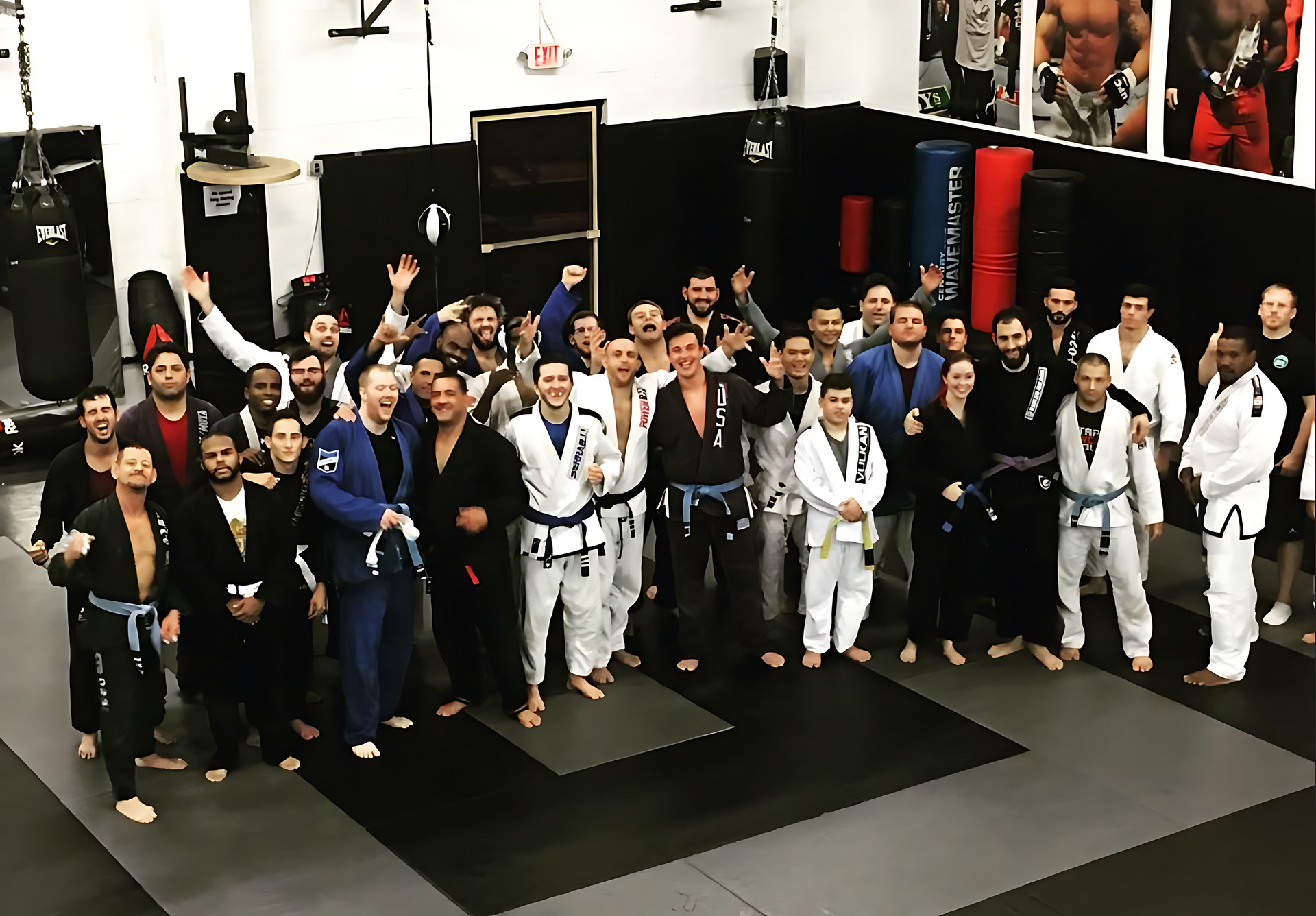
This is also where the community element matters. Training alongside people with similar goals makes it easier to show up, especially on days when motivation feels low.
Take the Next Step
Building a better routine is rarely about willpower alone. It is about finding a practice that makes healthy habits feel natural, and that is exactly what we aim to deliver at Ray Longo's Mixed Martial Arts in Garden City, NY through progressive coaching, structured classes, and training that meets you where you are.
If you want Mixed Martial Arts to change more than your workouts, we will help you connect the dots: conditioning that boosts energy, skill training that improves focus, and a schedule that supports real recovery. When you are ready, Ray Longo's Mixed Martial Arts is here to make the process clear, challenging, and genuinely enjoyable.
Take what you learned here to the mats by joining a martial arts class at Ray Longo’s Mixed Martial Arts.