

Martial Arts for Stress Relief: Simple Techniques You Can Try at Home
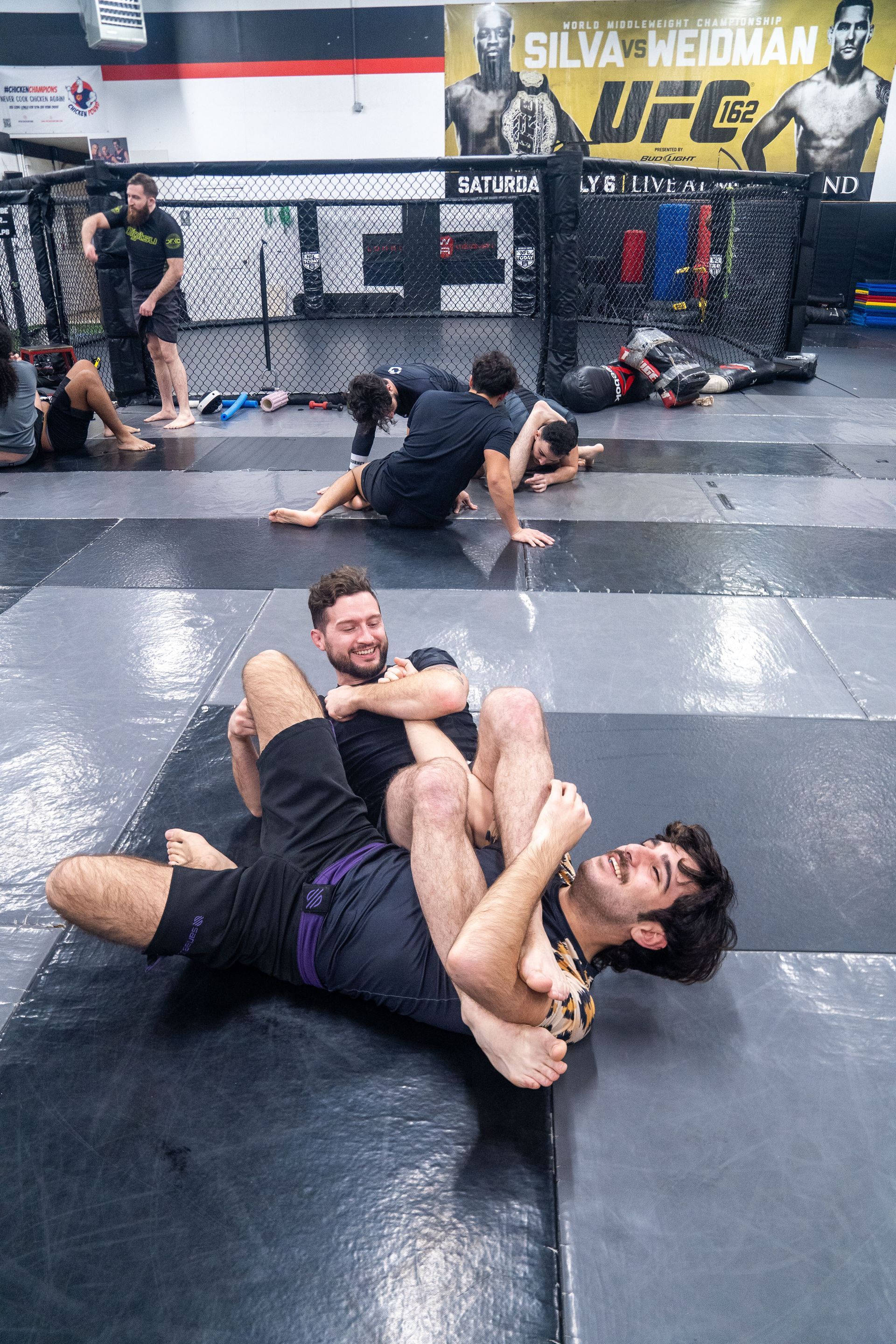
A few minutes of focused movement can calm your nervous system faster than scrolling ever will.
Stress is normal in Garden City life, but living in a constant revved-up state is not. Between commuting, deadlines, family schedules, and the background noise of modern life, your body can start treating everything like an emergency. That is where martial arts can be surprisingly practical, even if you have never thrown a punch in your life.
We teach martial arts because it works on two levels at once: it gives your body a safe outlet for tension, and it trains your mind to stay in the present moment. Research has linked consistent training with lower stress hormones like cortisol, reduced anxiety symptoms, and better emotional regulation, largely because structured practice pulls you out of rumination and into action.
In this guide, we will show you simple, beginner-friendly techniques you can do at home to feel calmer, more focused, and more in control. And if you decide you want structure and coaching, we will also explain how our training in Garden City translates directly to real, day-to-day stress relief.
Why Martial Arts Helps Stress: The Body and Brain Connection
Stress is not just a feeling. It is a physiological state, and your nervous system runs the show. When your body stays stuck in fight-or-flight, you may notice tight shoulders, shallow breathing, jaw tension, restless sleep, or a short fuse over small stuff.
Martial arts training helps because it combines rhythmic movement, breath control, and attention. Those are three ingredients that signal safety to your brain. Studies and recent reviews in 2024 to 2025 continue to support measurable improvements in anxiety and depression symptoms for practitioners, especially in structured styles that emphasize discipline and repetition.
What changes in your body during training
When you practice basic combinations, footwork, and controlled drills, your body shifts from static stress to purposeful effort. That matters. You are not just burning energy, you are organizing it.
With consistent training, many adults notice:
- Lower muscle tension, especially in the neck, shoulders, and hips
- Better sleep quality from physical exertion and nervous system downshifting
- Improved cardio and breathing efficiency, which makes stress spikes feel less overwhelming
- A more stable mood, because movement and mastery support confidence
What changes in your mind during training
There is a mental skill inside martial arts that most people do not expect: attention control. Stress loves the future and the past. Training forces you into now. You cannot worry about tomorrow’s meeting while you are counting your steps, keeping your hands up, and breathing on purpose.
Over time, the process builds resilience. For many women in particular, research has shown meaningful gains in resilience related to control and challenge, basically the ability to see stress as something you can work with instead of something that just happens to you.
A Home Setup That Makes Practice Easy (No Fancy Gear Needed)
We want you to be able to do this without turning your living room into a full gym. Keep it simple so you actually do it. A small space, a timer, and a bit of consistency beat a complicated plan that you quit after three days.
Here is what we recommend for a calm, safe practice area:
- Clear a space about the size of a yoga mat, plus a little extra for footwork
- Wear comfortable clothes and train barefoot or in flat sneakers
- Keep water nearby and put your phone on Do Not Disturb
- If you have a mirror, use it, but it is optional
If you have old injuries or balance concerns, go slower and reduce range of motion. We prefer clean, controlled reps over pushing through discomfort.
The 10 Minute Stress Reset Routine We Teach Beginners
This is our go-to routine for busy adults because it is short, specific, and repeatable. It mirrors how a good class feels: warm up the system, focus the mind, then bring your body back down.
1. Two minutes of stance plus belly breathing
Stand tall, soften your knees, and take a comfortable fighting stance. Inhale through your nose for four seconds, exhale for six. Keep your shoulders down. Feel your feet grip the floor.
2. Three minutes of slow shadowboxing
Throw your jab and cross slowly, like you are moving through water. Exhale lightly with each punch. Bring your hands back to your face every time. You are practicing control, not aggression.
3. Two minutes of footwork circles
Step forward, step back, step left, step right, then circle. Keep your head level. This is sneakily calming because your brain has to track position and balance.
4. Two minutes of combination flow
Pick one combo: jab, cross, lead hook. Move at 50 percent speed with clean form. If your mind drifts, that is normal. Just come back to the count.
5. One minute cool-down scan
Stand still and scan your body from head to toes. Unclench your jaw. Drop your shoulders. Let your breathing settle without forcing it.
Do this once and you will usually feel a shift. Do it four or five days a week and you start building a new baseline, which is the real win.
Simple Techniques You Can Use the Moment Stress Hits
You do not always have ten minutes. Sometimes you have thirty seconds between calls, or you are sitting in traffic, or your kid is melting down and your nervous system is climbing the walls. We build quick skills in our martial arts classes because real life rarely gives you perfect conditions.
The exhale-first reset
When stress spikes, people try to take a big breath in and it often feels like it does not land. Start with the exhale. Blow the air out slowly, then let the inhale happen naturally. Do three cycles.
This can reduce the “locked up” feeling in your chest and bring your heart rate down a notch.
The hands-up posture switch
Stand or sit taller and bring your hands lightly up near your cheeks, like a relaxed guard. You are not trying to look tough. You are giving your body a familiar, prepared posture. For many adults, that posture shift alone creates a subtle feeling of stability.
The slow-motion punch
Do one jab in slow motion and pay attention to the path: shoulder stays down, elbow behind the fist, knuckles forward, then return. One mindful rep can interrupt spiraling thoughts because your brain has to track detail.
How Adult MMA Training Supports Stress Relief Without Beating You Up
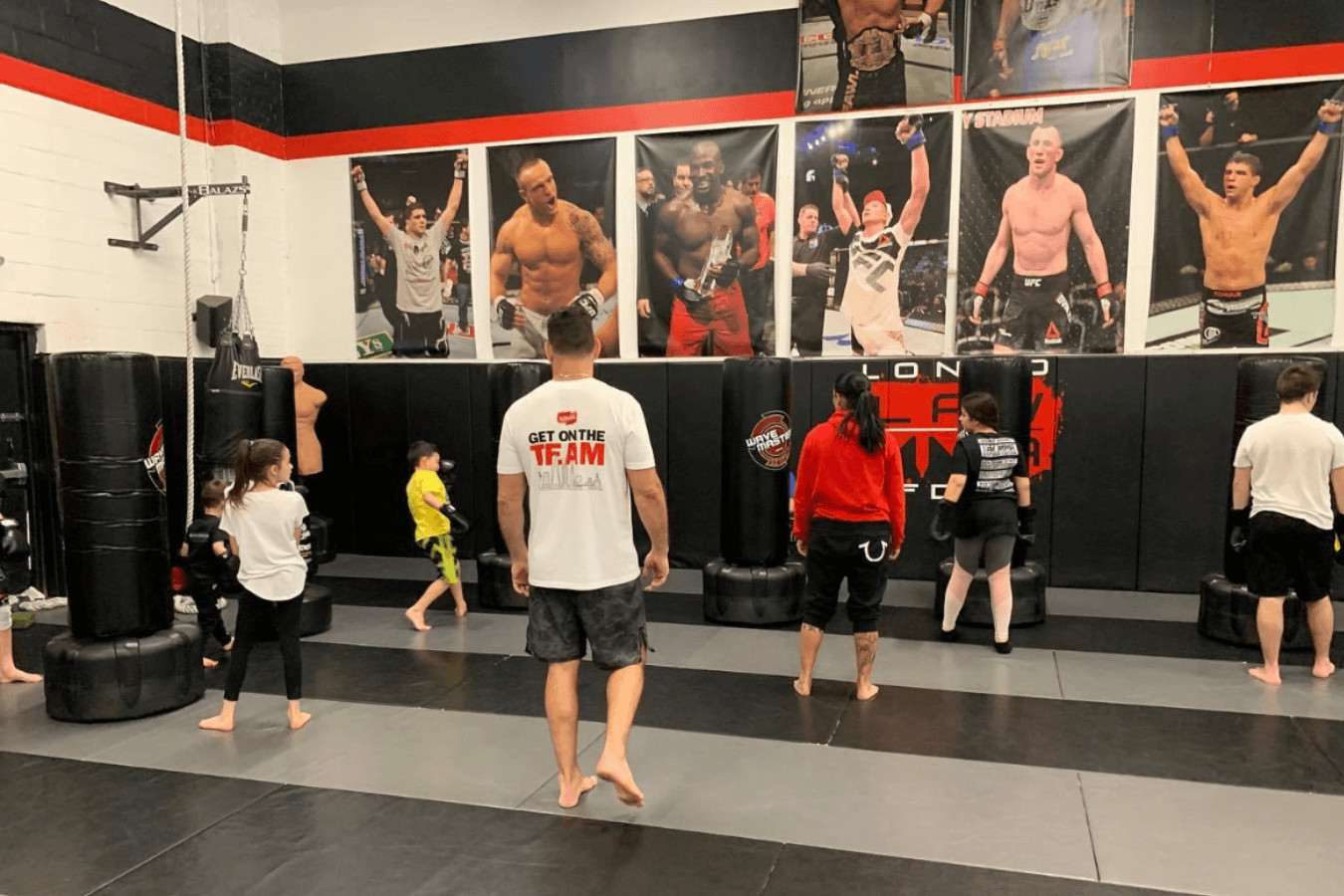
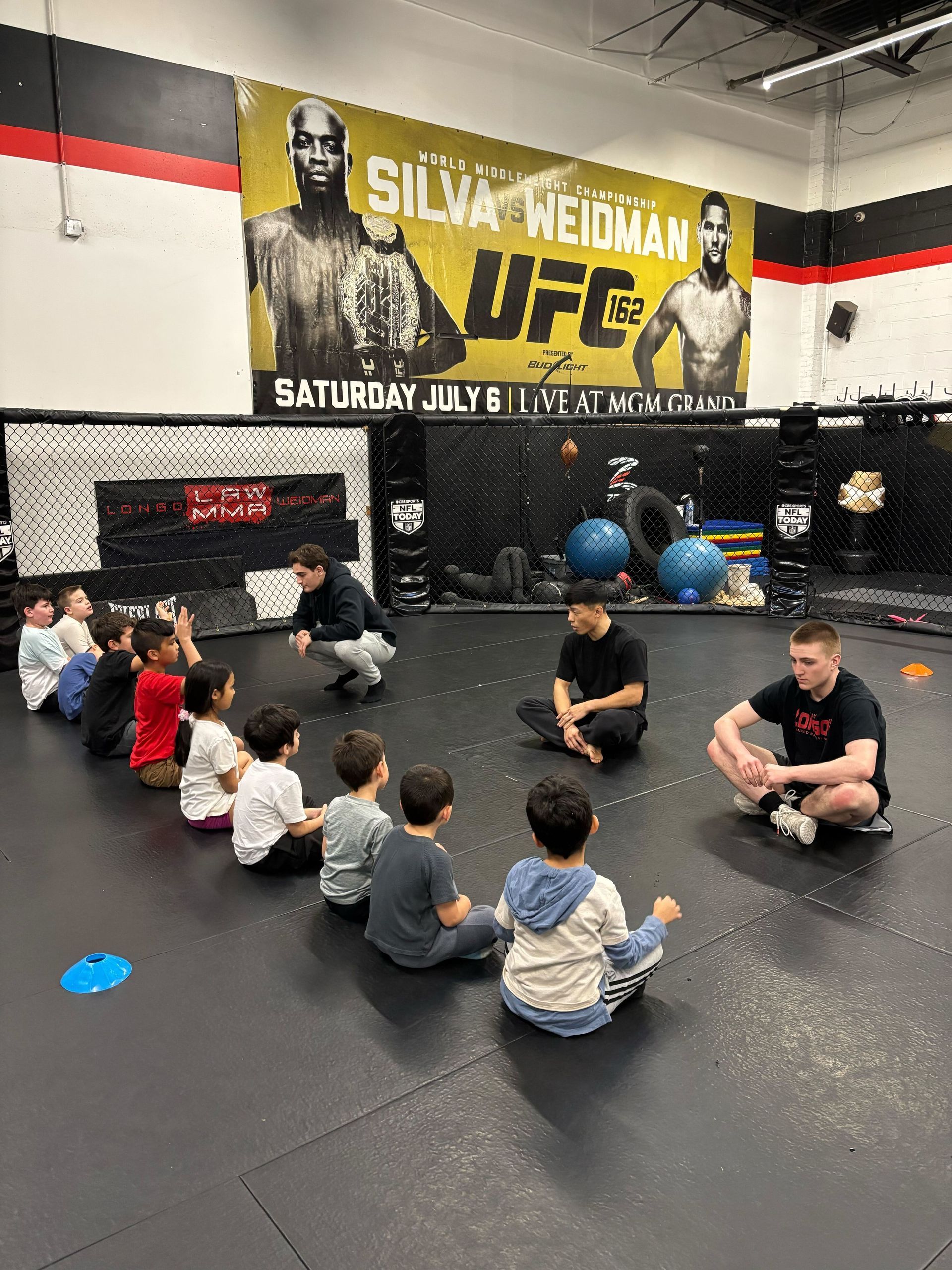
A lot of adults want the benefits of martial arts without getting tossed into intense contact right away. That is a fair concern, and it is exactly why we teach progressive, beginner-friendly training. Adult MMA in Garden City can be a stress-management tool when it is coached with control, structure, and respect for where you are starting.
In our adult MMA training, stress relief comes from:
- Clear structure: warm-ups, skill practice, drilling, and controlled rounds
- Skill progression: you can feel improvement week to week, which boosts confidence
- Focused intensity: enough effort to release tension, not so much that it wrecks you
- Coaching cues: breathing, posture, and pacing that you can repeat at home
Some people join for fitness. Some join because their mind feels too loud. Either way, the practice tends to meet you where you are, and then it gently pushes you forward.
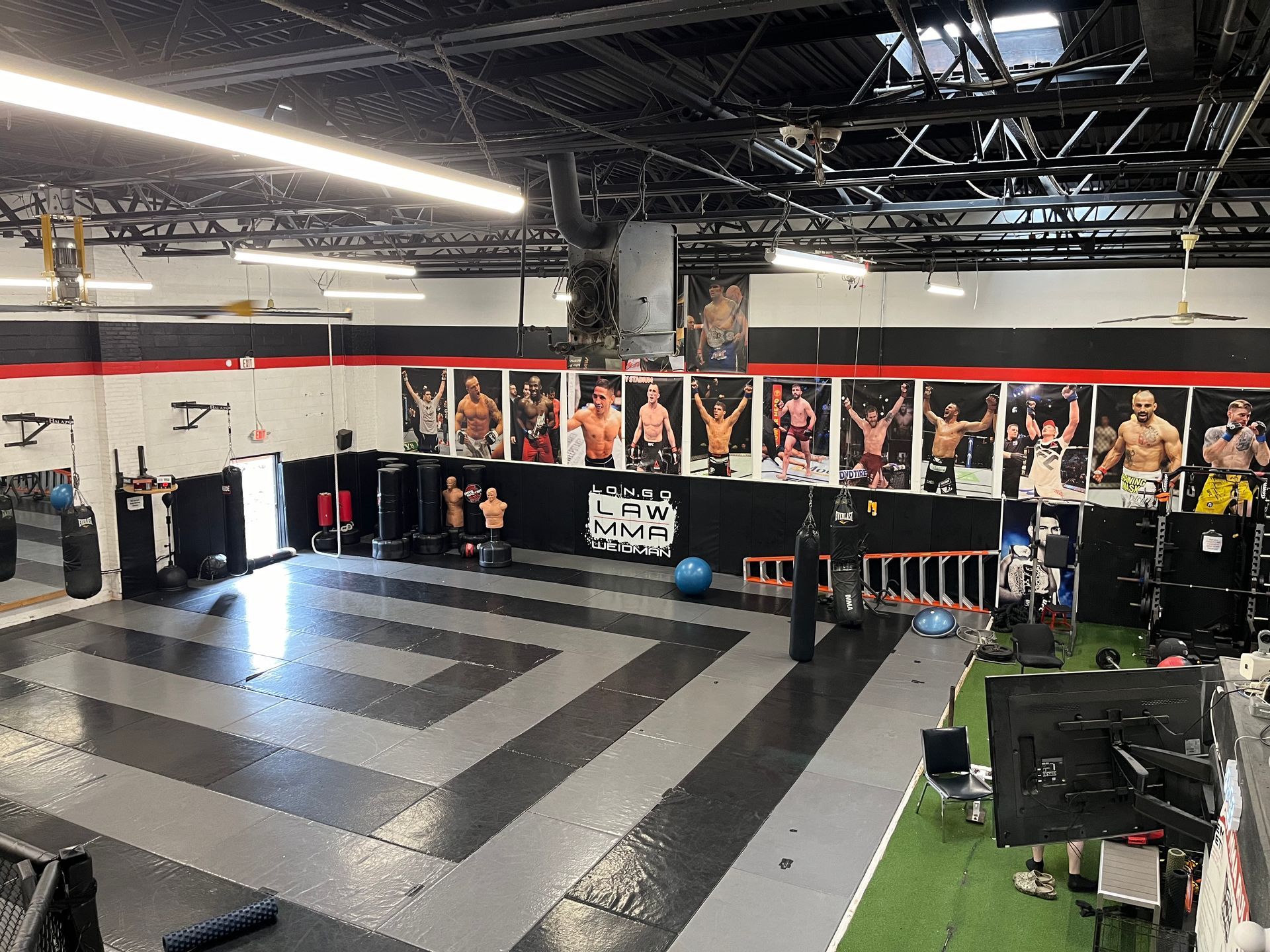
What to Expect in Martial Arts Classes in Garden City (Especially as a Beginner)
Starting something new can feel like a stressor by itself, so we keep the on-ramp simple. Our goal is to help you feel capable quickly, not overwhelmed.
Your first few weeks: the real focus
In the beginning, we prioritize fundamentals that reduce stress rather than add to it:
- Stance and footwork so you feel balanced
- Basic punches and defensive positioning
- Light drilling with clear instructions and plenty of resets
- Breathing cues to prevent that panicky, rushed feeling
- Practical pacing so you leave energized, not depleted
If you are worried about being “out of shape,” you are not alone. Conditioning improves fast when you train consistently, and we scale the work so you can build momentum without burning out.
A Weekly Plan That Fits Garden City Schedules
We see a lot of busy professionals and parents, and the biggest challenge is usually not motivation. It is timing. The good news is you do not need to train every day to get meaningful benefits.
Here is a simple week that blends home practice with classes:
- Two days of classes for coaching, structure, and skill correction
- Two days of the 10 minute home reset routine
- One day of active recovery like walking and light mobility
That schedule is realistic, and realistic beats perfect.
Common Questions About Martial Arts for Stress Relief
Can I do this at home if I am a complete beginner?
Yes. Start slower than you think you need to. Stress relief comes from controlled reps and breathing, not from going hard. If you can stand, breathe, and move your hands with intention, you can begin.
How soon will I feel a difference?
Many people feel calmer after the first session because physical effort and focus can shift your state quickly. Deeper resilience usually builds over a few weeks of consistent practice.
Is it a good fit for women and older adults?
Yes. When training is scaled properly, martial arts can build confidence and resilience without requiring risky intensity. We coach options for impact, pace, and mobility so you can train safely and still feel progress.
Take the Next Step
If you want stress relief that feels active, practical, and surprisingly grounding, martial arts is one of the most reliable tools we know. The at-home techniques in this article are a solid start, but consistent progress is easier when you have coaching, structure, and a room full of people practicing the same skills with you.
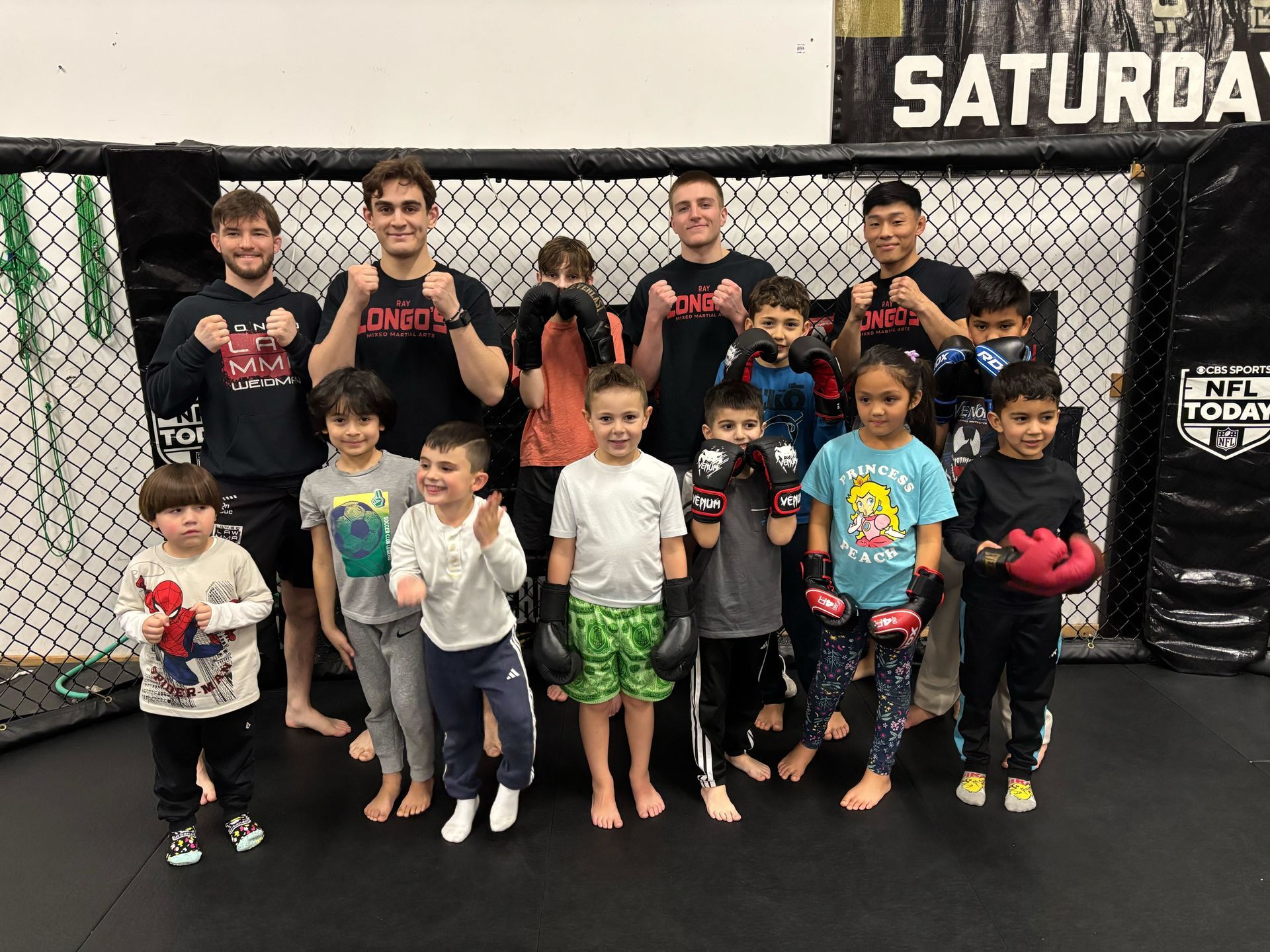
That is exactly what we build every day at Ray Longo's Mixed Martial Arts. If you are looking for martial arts classes in Garden City that support fitness, confidence, and calmer decision-making under pressure, we would love to help you get started in a way that fits your life.
Take what you learned here and put it into action by joining a martial arts class at Ray Longo’s Mixed Martial Arts.