
Martial Arts for Stress Management: Simple Steps to a Calmer Mind
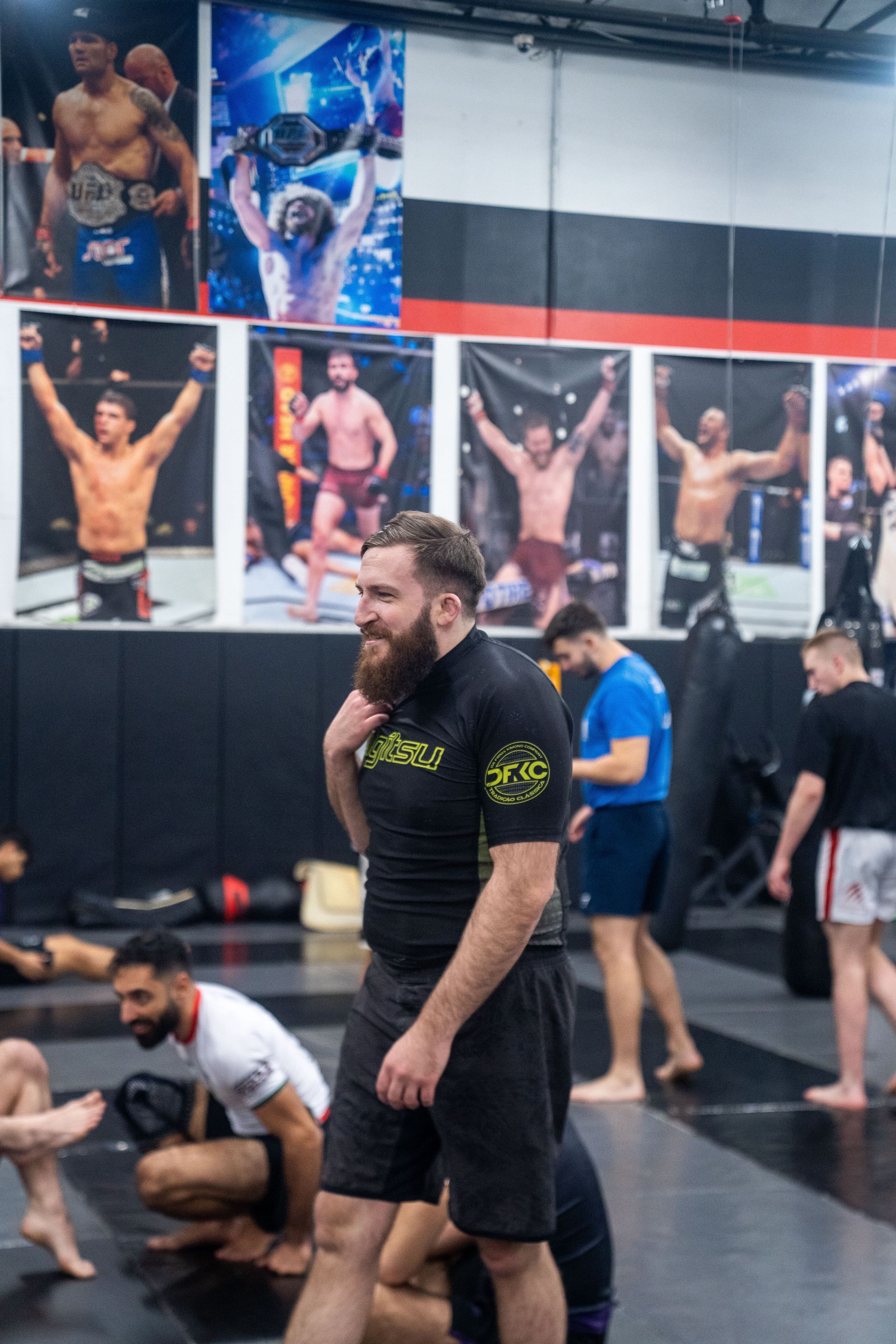
A good class does not just train your body, it trains your nervous system to calm down on purpose.
Stress shows up in the body before it shows up in words. Your shoulders climb toward your ears, your breathing gets shallow, and your attention starts jumping from one worry to the next. In our martial arts training, we see that pattern all the time, and we also see how quickly it can change when you give your mind something clear to focus on.
The reason martial arts work so well for stress management is simple: training asks you to be present. You cannot drift through a combination, a sprawl, or a technical drill while replaying your to do list. Your brain has to pick one channel. Over time, that practice of returning to the moment becomes a skill you can use outside the gym, too.
If you are looking for martial arts classes in Garden City that support a calmer mind along with better fitness, we build our classes around structure, coaching, and progressive training. You do not need to be a certain type of person to start. You just need a starting point.
Why Martial Arts Calm the Mind Instead of Just Burning Energy
A lot of workouts can leave you tired, but not all of them leave you settled. Martial arts training tends to do both because it blends physical effort with mental engagement. You are moving, breathing, reacting, and making decisions in real time.
From a physiology standpoint, intense training helps lower cortisol, the body’s primary stress hormone, while increasing feel good neurotransmitters and hormones like endorphins, serotonin, dopamine, and noradrenaline. That chemical shift matters, but it is only part of the picture. The other part is nervous system regulation: when you practice rhythmic, focused movements with controlled breathing, you encourage the parasympathetic response, the one associated with recovery and calm.
Psychologically, martial arts create a clean boundary around your attention. In a class, the goal is clear. The feedback is immediate. You are not stuck in vague mental loops. You are solving one small problem at a time, and that is surprisingly restorative.
The Stress You Feel Is Real, and It Has Patterns
We like to make stress sound abstract, but most people experience it in repeatable ways. You might notice irritability after work, a tight chest on Sunday night, or that restless feeling when you finally sit down. Often, the stress is less about one big event and more about constant low grade pressure.
Training gives you a place to interrupt those patterns. When your body learns what relaxed focus feels like, it becomes easier to recognize when you are slipping into tension. That awareness is a quiet superpower. It is also trainable.
Just as important, progress in martial arts is measurable. You can feel your balance improve, your timing sharpen, your conditioning build. Those concrete wins help counter the helplessness that stress often brings. Confidence is not a motivational poster. It is evidence you collect.
What Makes Adult MMA Training So Effective for Stress Management
Adult MMA in Garden City appeals to many people because it is practical and engaging. You are not just doing random exercises. You are learning skills, building fitness, and developing composure under pressure, all at the same time.
MMA style training also tends to include a mix of modalities, which keeps your mind from getting bored. Striking work demands coordination and rhythm. Grappling emphasizes leverage, patience, and problem solving. Conditioning pushes your cardio and your grit, but in a guided way where you can scale intensity.
We coach you to stay controlled, not reckless. That matters for stress management because the goal is not to spike your nervous system and leave you wired. The goal is to challenge you, then teach you how to recover, reset, and get back to work with a clear head.
The Mindfulness Component: Focus Without Trying to Meditate
Not everyone wants to sit still and meditate, and that is fine. Martial arts offer a different on ramp to mindfulness: attention through action. When you drill a combination, your mind keeps returning to specific details like stance, guard position, hip rotation, and breathing.
That constant return to technique is present moment practice. You are learning to notice what is happening now, correct it, and move on. There is no room for spiraling. If you do spiral, you will feel it right away in your timing and energy.
Over weeks of consistent training, many students find that this focus starts showing up in normal life. Meetings feel less overwhelming. Driving feels less reactive. Even simple tasks, like cooking dinner, feel less rushed. It is not magic. It is repetition.
Anxiety, Mood, and Emotional Regulation: What the Research Suggests
Structured martial arts training is consistently linked with improved mood, reduced anxiety, and better emotional regulation. Hard martial arts such as karate, taekwondo, and judo show especially strong effects in research on anxiety and depression symptoms, and the common thread is structure: a planned progression, coached technique, and consistent attendance.
We see similar outcomes when you train MMA with a smart, step by step curriculum. You learn to manage discomfort in small doses. You learn to breathe when your heart rate climbs. You learn to make decisions while tired, which is a big deal for people whose stress makes them feel scattered.
Resilience is another theme that shows up in studies. People who train tend to score higher in behavioral control and coping capacity. In real life terms, that means you get better at noticing stress early and responding with something skillful instead of automatic.
Social Support and Community: The Underrated Stress Buffer
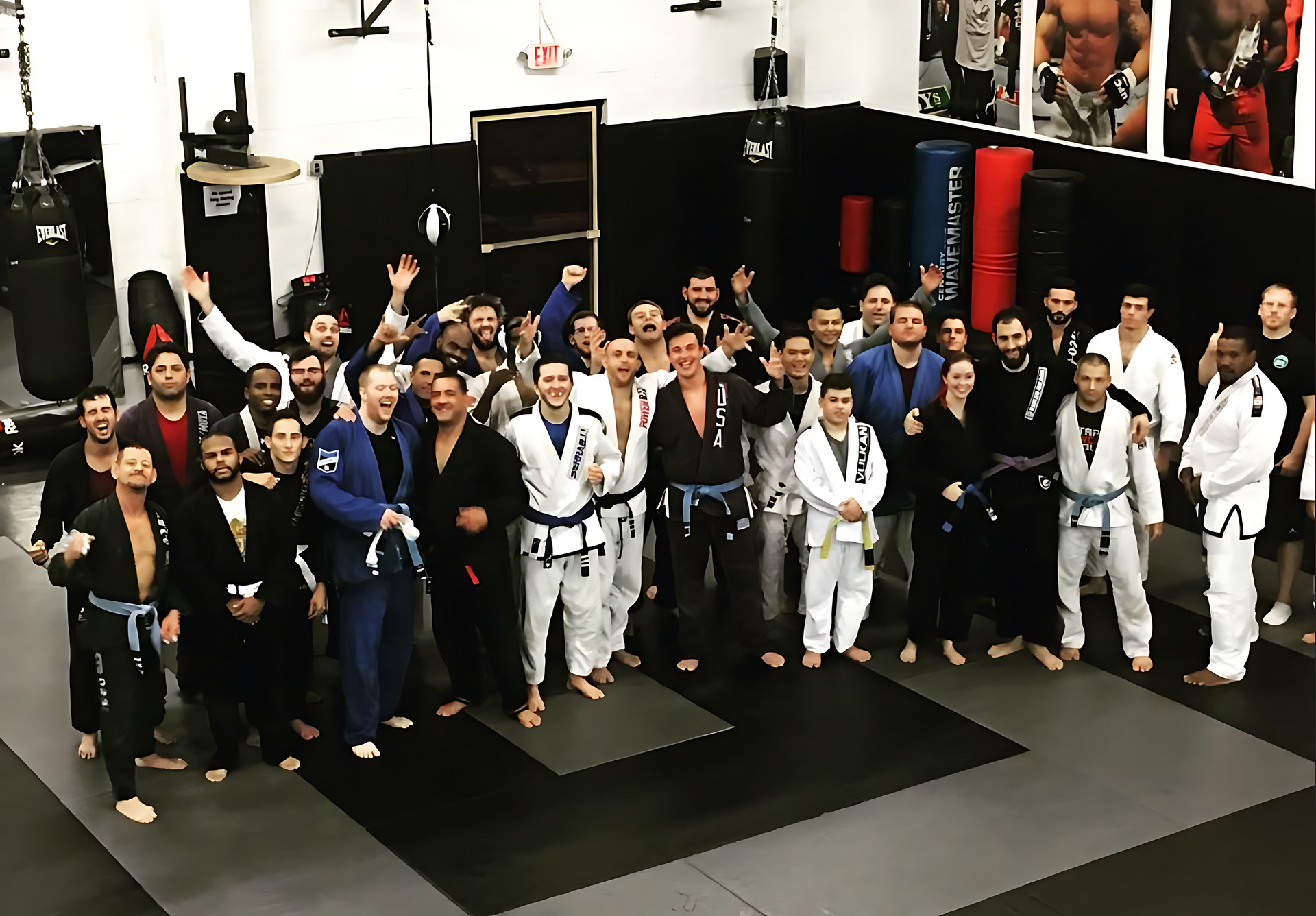
Stress often shrinks your world. You work, you handle responsibilities, and you try to recover, but it can feel isolating. Training changes that because you are showing up at the same time each week with people working toward similar goals.
In class, you partner up, you learn names, and you start recognizing familiar faces. Small moments matter: a teammate holding pads for you, a quick tip that helps a technique click, a nod that says, yes, that round was tough. Community is not fluffy. It is a practical stress buffer backed by plenty of research on social connection and mental health.
We also keep a respectful culture where control and safety are priorities. You can work hard without feeling like you have to prove something every minute. That tone helps the nervous system settle, even when the training is challenging.
Simple Steps You Can Start Using Today
You do not have to overhaul your life to get stress relief from martial arts. Small, consistent actions work best. Here are a few steps we recommend, especially if you are starting from a busy or overwhelmed place:
1. Pick two training days per week and protect them like appointments
2. Arrive a little early so you can slow your breathing before class starts
3. Choose technique quality over intensity for the first month
4. Notice where you hold tension, then relax that area between rounds
5. After class, take five minutes before getting back on your phone or email
That last one sounds small, but it is powerful. Give your body time to absorb the calm that training creates. Otherwise, you jump straight back into stimulation and wonder why stress keeps returning.
What to Expect in Your First Few Martial Arts Classes in Garden City
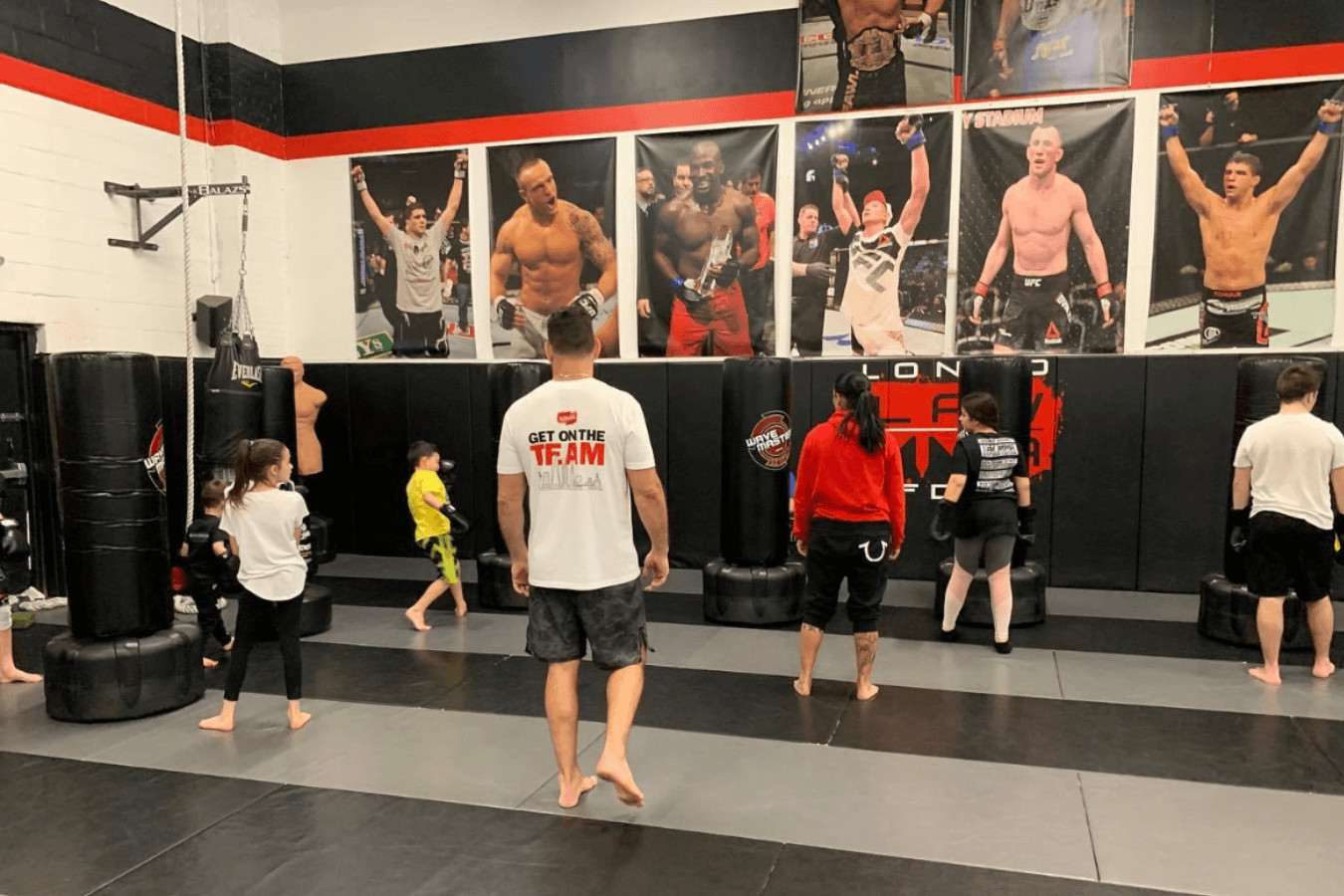
Starting something new can be stressful on its own, so we keep the early experience straightforward. You will warm up, learn fundamental movement patterns, and practice beginner friendly techniques with clear coaching. Nobody is expected to be perfect. You are expected to be coachable.
Most beginners notice two things right away. First, training is more technical than it looks from the outside. Second, the room is usually more welcoming than people assume. When everyone is focused on improving, there is less judgment in the air. It feels like work, but it is the good kind, the kind that leaves you lighter afterward.
As you continue, we help you build a routine that fits your life. Consistency is where the stress management benefits really stack up. One class can improve your day. A month of classes can change your baseline.
Stress Management Skills You Build Without Even Noticing
The best part about martial arts is that the benefits sneak up on you. You come in for fitness or self defense, and then you realize your mind feels steadier. A few examples of what we see students develop over time:
• Better breathing control under pressure, including during work stress
• Clearer boundaries, because training time becomes protected personal time
• Improved sleep quality as physical tension drops and routines stabilize
• More confidence in decision making, built through repetition and feedback
• Less reactivity, since you practice staying composed during hard rounds
These are not abstract outcomes. You can feel them. Your shoulders drop. Your jaw unclenches. You handle a stressful email without that immediate surge of adrenaline. That is the calmer mind we are aiming for.
Take the Next Step
If you want a practical way to manage stress while getting stronger, learning skills, and staying engaged, we can help you build that routine in a way that feels realistic. Our approach is technical, structured, and welcoming for beginners, so you can train hard and still leave class feeling more grounded than when you walked in.
When you are ready, Ray Longo's Mixed Martial Arts is here in Garden City, NY with coaching, community, and a class structure that supports both performance and peace of mind. The first step is simply showing up, and we will guide you from there.
Build both physical fitness and mental toughness by joining a martial arts class at Ray Longo’s Mixed Martial Arts.