
Your Step-by-Step Guide to Martial Arts Success in Garden City, NY
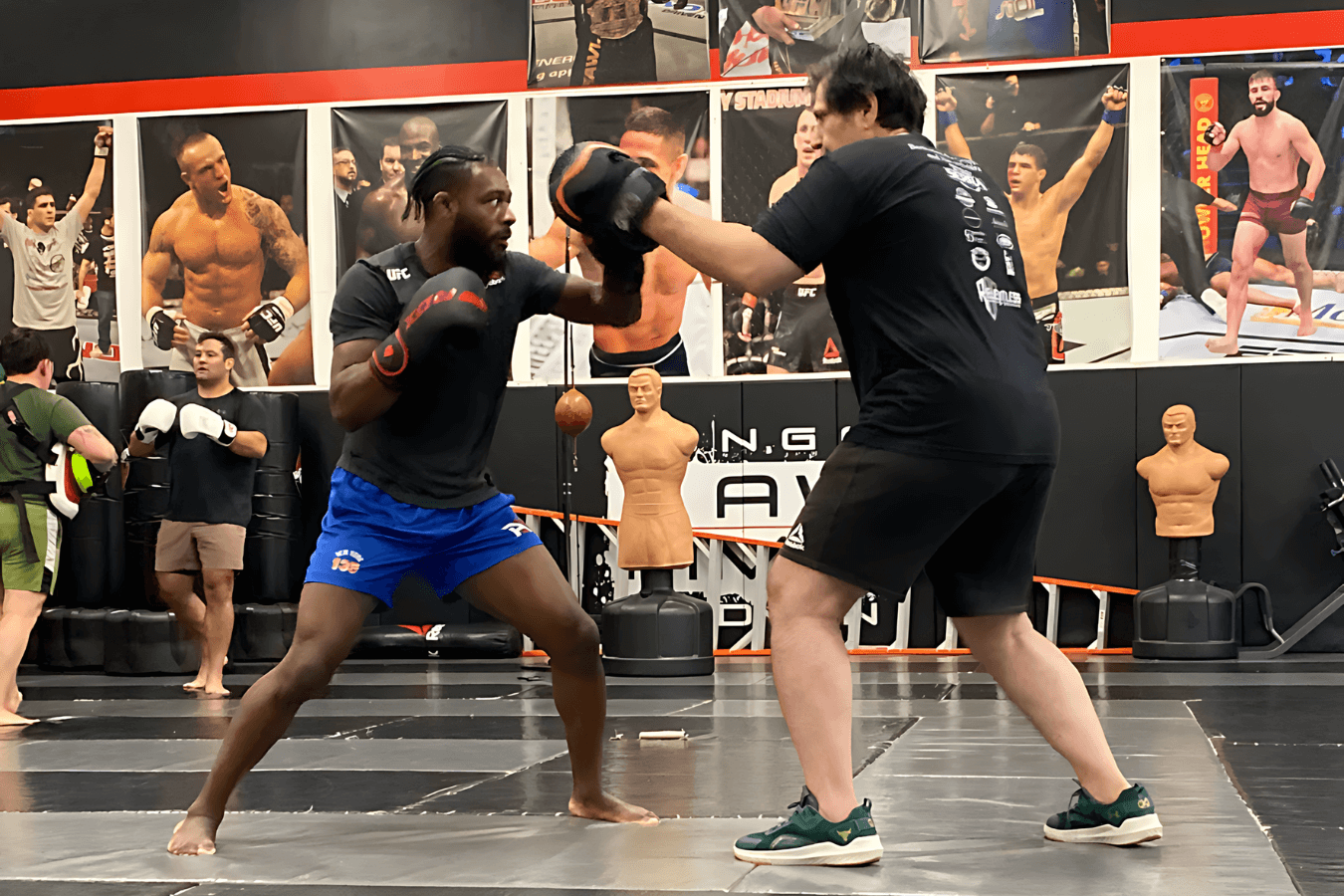
The fastest progress comes from a simple plan you can actually follow week to week.
Starting martial arts can feel strangely confusing at first, even when your goal is simple: get in shape, learn real skills, and feel more confident. You might wonder what to wear, which class to take first, or how long it takes before things stop feeling awkward.
We built our training in Garden City around a straightforward truth: success comes from consistent fundamentals, coaching you can understand, and an environment where you can work hard without feeling judged. Whether you’re here for fitness, self-defense, or competition, our job is to help you move from “new” to “capable” step by step.
This guide walks you through that process using the exact progression we use every day, including what to focus on early, how to measure improvement, and how to choose the right training lane for your lifestyle.
Why martial arts success starts with the right definition
“Success” in martial arts is not one thing. If your goal is to sweat, relieve stress, and build athleticism, your path looks different than someone preparing for amateur competition. If you’re a parent looking for a positive kids program, success might be better listening skills, confidence, and safer decision-making, not just techniques.
So we start by defining success in practical, measurable ways. We want you to be able to say, “I’m better than last month,” and actually know why. That might mean your stance feels stable, you can breathe through a tough round on the bag, or you finally understand how a basic takedown fits into MMA.
In martial arts Garden City students often come in with busy schedules, so we also define success as something sustainable. Training that burns you out in two weeks is not a win. A plan you can keep for months is.
What we train and how it all connects
Our programs are built around skills that work together, not in isolation. MMA blends striking, grappling, and submissions, and that mix is exactly why it’s become one of the most popular ways to train today. You’re learning how to move, how to control distance, how to stay composed, and how to solve problems under pressure.
We offer training paths that include MMA, adult kickboxing, boxing, and kids programs focused on self-defense and fitness. You’ll see the overlap quickly: better footwork improves your boxing, stronger balance improves your kicks, and learning to control positions in grappling makes you calmer in every area.
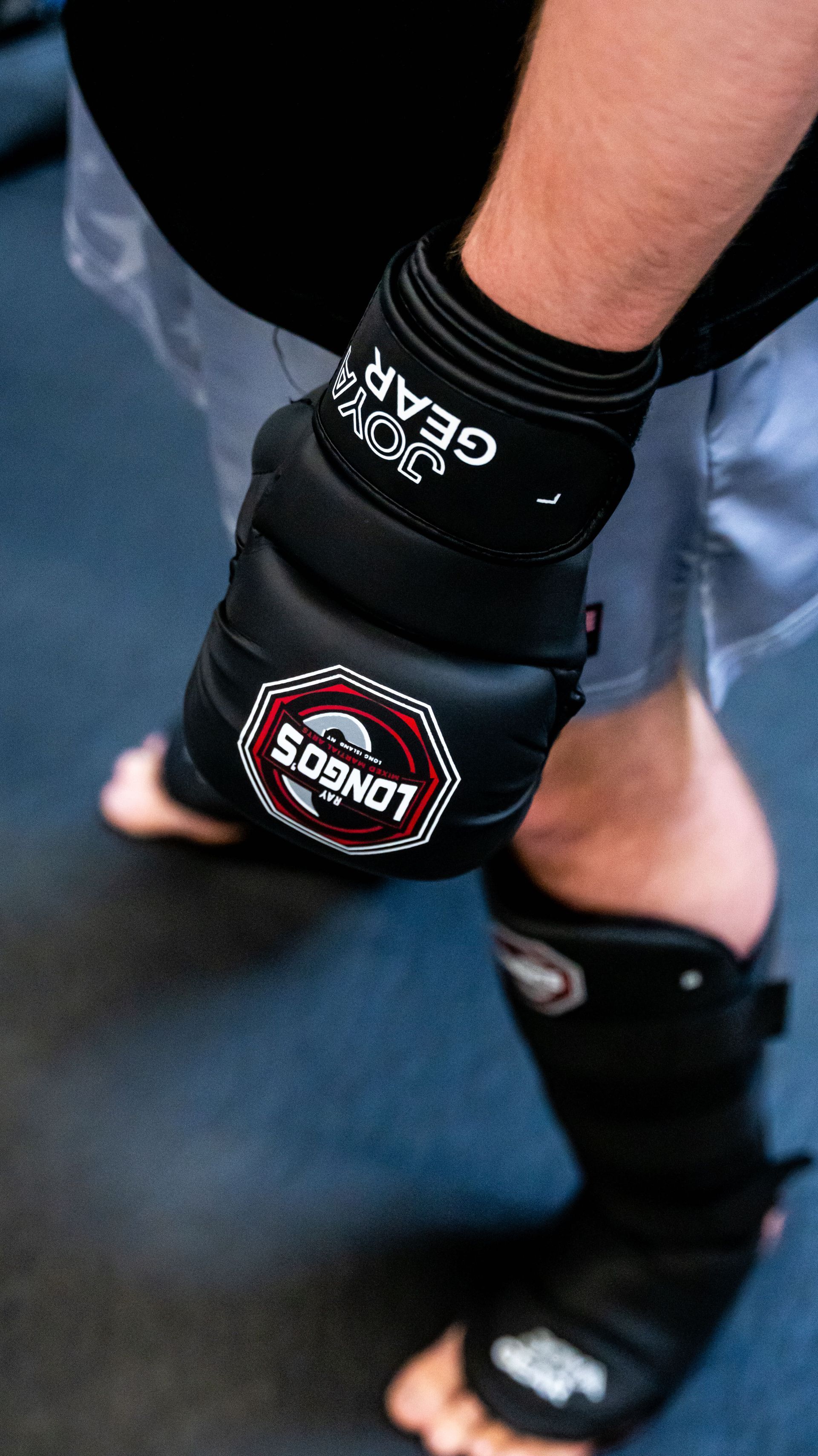
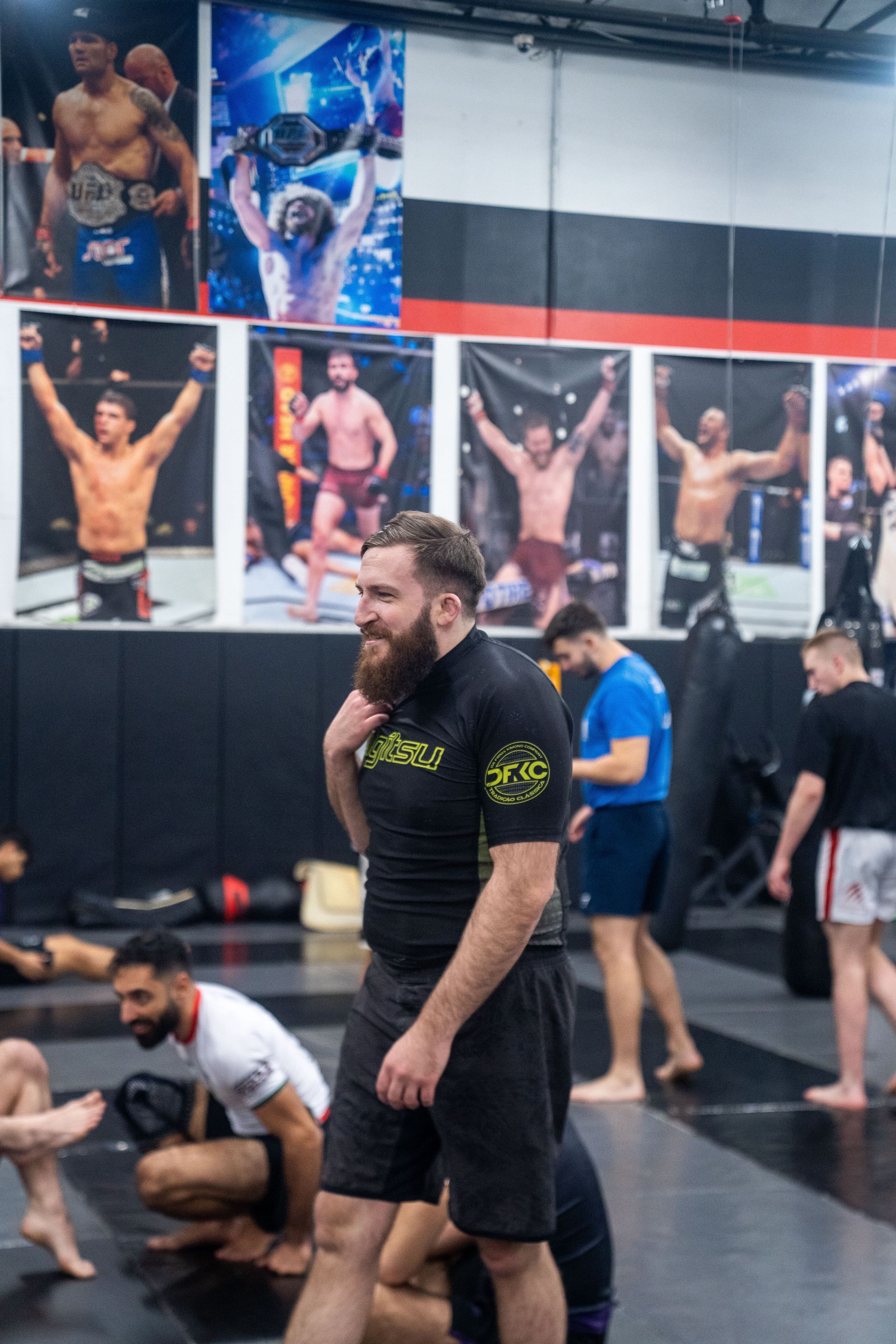
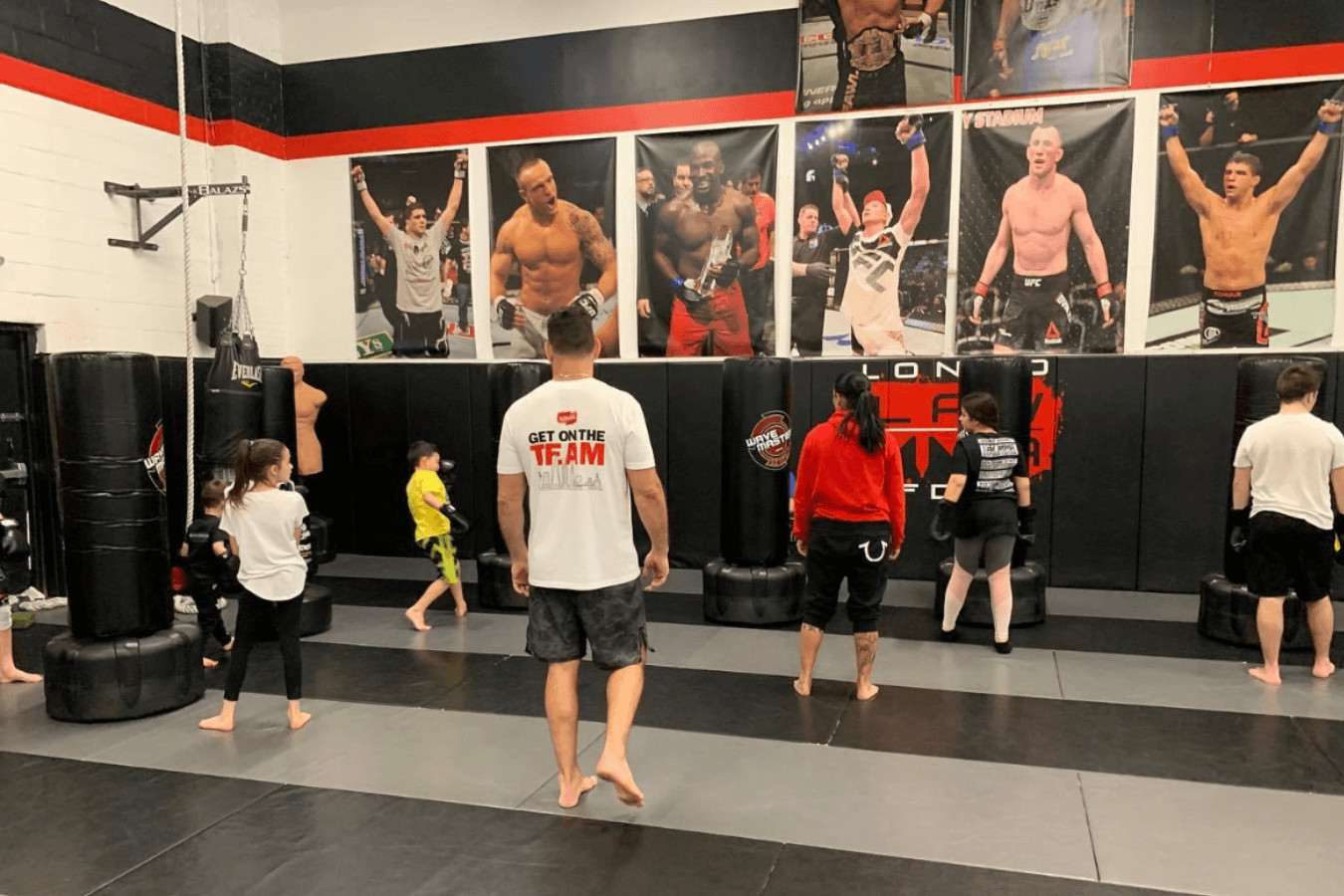
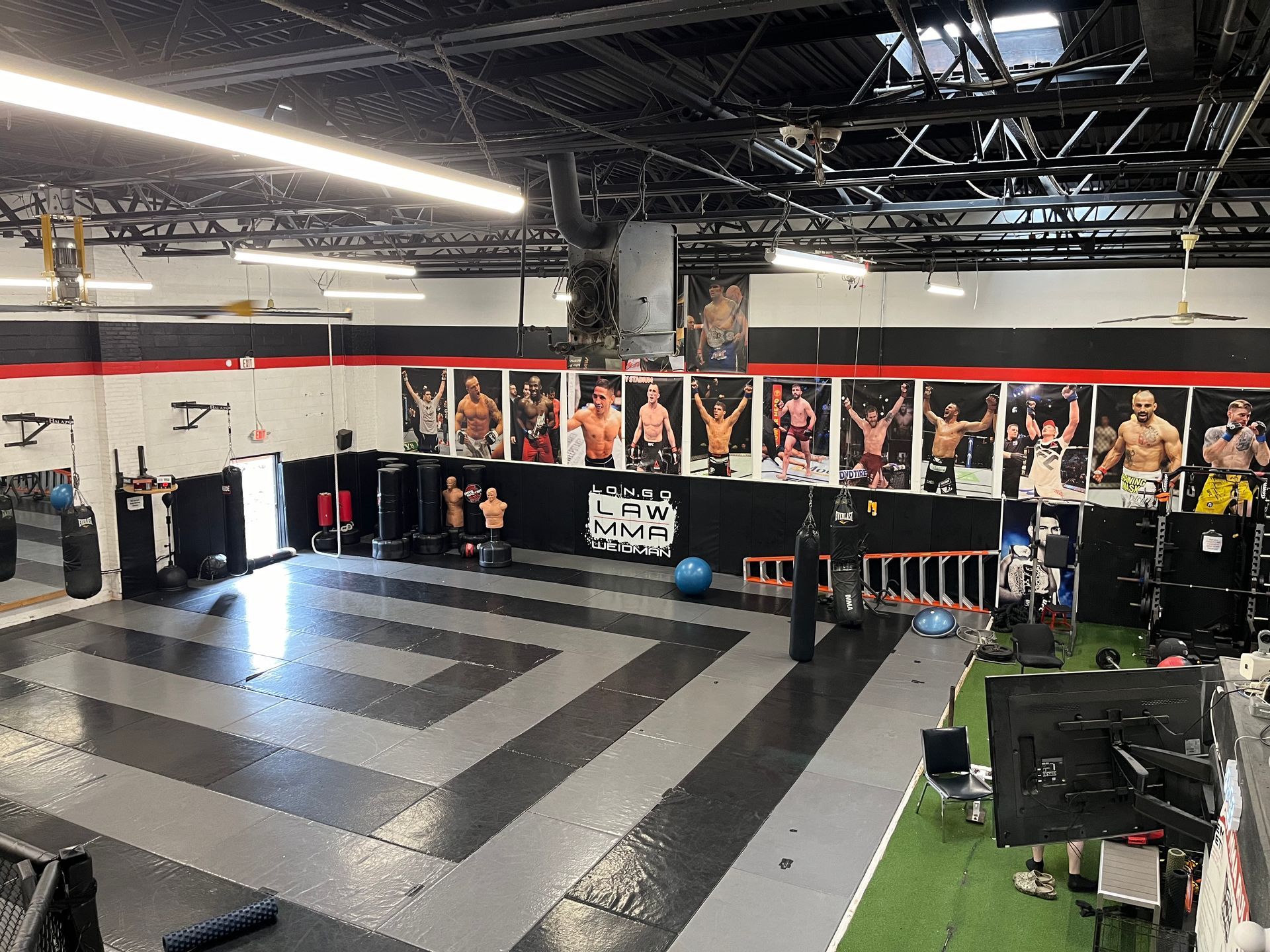
Our space is set up to support that kind of training, including over 3,000 square feet, a regulation boxing ring, cardio equipment, and the specialized gear you need to train safely and effectively. It’s not fancy for the sake of it. It’s practical, and you feel that the moment class starts.
Step 1: Start with a clear goal and a simple weekly schedule
Before you worry about advanced techniques, pick one primary goal for the next 8 to 12 weeks. You can always add more later, and you probably will. But early on, clarity beats intensity.
Here are a few goals that work well because they’re specific:
- Build fitness you can feel: improve stamina, drop stress, and move better day to day
- Learn practical self-defense fundamentals: distance management, basic escapes, and awareness
- Develop a well-rounded base in MMA: striking plus grappling with controlled drilling
- Prepare for competition: structured rounds, coach feedback, and progressive sparring
Next, choose a weekly schedule you can realistically keep. For most adults, two to four classes per week is a strong range. Two classes builds momentum. Three to four classes accelerates skill development. More than that can work too, but only if recovery and sleep are in place.
If you’re looking specifically for martial arts classes in Garden City that fit around work and family life, the best approach is to look at the class schedule and build your week like an appointment you respect.
Step 2: Your first month should look “basic” on purpose
Month one is where we build the foundation that makes everything else easier. You’re not behind if you’re drilling stance, footwork, and simple combinations. You’re doing it right.
In early classes, we focus on:
- Stance and balance so you can generate power without falling apart
- Footwork so you can enter and exit range safely
- Basic punches, kicks, knees, and defensive structure
- Intro grappling concepts like posture, base, and position before submission chasing
- Controlled partner work that teaches timing without chaos
This is also when you learn gym rhythm: how rounds work, how to hold pads safely, how to tap in grappling, and how to listen for coaching while you’re tired. That last part matters more than most people expect.
And yes, it can be humbling. That’s normal. Martial arts is one of the few hobbies where you can feel like a beginner again as an adult, and that’s part of the value.
Step 3: Learn how drilling creates real skill (and why it’s different than “just working out”)
A lot of people think progress comes from going harder. Real progress comes from repetition with feedback. Drilling is where technique becomes automatic, and automatic is what shows up when you’re under pressure.
We use drilling to connect pieces. Instead of random techniques, you’ll practice patterns like: jab to cross, angle out, reset. Or defend a position, improve your base, then escape. Over time you stop thinking in single moves and start thinking in sequences.
Drilling also protects your body. When you build mechanics first, you’re less likely to over-swing punches, tweak a knee on a kick, or strain your neck in grappling. Training should challenge you, but it should also last.
Step 4: Add controlled sparring when you’re ready, not when your ego asks
Sparring is important, but timing matters. We treat sparring as a learning tool, not a proving ground. The goal is to develop composure, distance, and decision-making with increasing resistance.
When you’re new, we typically build toward sparring in stages:
1. Technical rounds: limited tools, slower pace, clear objectives
2. Situational rounds: start in a specific position or range and work out
3. Light sparring: enough contact to feel real, with control and coaching
4. Full rounds for competition prep: only when the base is ready and the goal calls for it
This approach is one reason our atmosphere stays respectful and ego-free. People can train hard without feeling like every round is a fight. And if competition is your goal, we still get you there, just with a smarter runway.
Step 5: Don’t skip conditioning, but make it sport-specific
Conditioning is not punishment. It’s support. The best conditioning makes your techniques sharper when fatigue shows up.
Our conditioning emphasis is built around what actually happens in striking and MMA rounds: bursts of effort, resets, grip demands, core stability, and the ability to breathe under stress. Cardio equipment helps, but the most relevant conditioning often comes from the training itself when it’s structured well.
If you want a simple target, aim to finish class feeling worked but not wrecked. You should be able to come back in two days and improve, not limp through the door and repeat the same exhausted round forever.
Step 6: Track progress like an athlete (even if you never compete)
You don’t need to be a fighter to train like an athlete. Tracking a few basics keeps you motivated and makes your improvement obvious.
We like simple check-ins such as:
- Skill: one technique you can execute cleanly on both sides
- Timing: one setup that lands more often (or one escape that works reliably)
- Fitness: how quickly your breathing returns after a hard round
- Consistency: how many weeks you trained without long gaps
The biggest hidden factor is coaching feedback. When an instructor corrects one detail, like turning your hip over on a kick or keeping posture in a clinch, that one correction can save you months of frustration. Our instructors take that seriously, and we work to make sure you’re not just “in the room,” but actually improving.
Step 7: Choose the right program lane for you (and let it evolve)
We keep options clear because most people do better with a main lane. You can cross-train, but it helps to know your anchor.
MMA training: the complete blend
MMA is the most versatile path because it combines striking, grappling, and submissions. It’s also mentally engaging, because every class teaches you how the pieces connect. If you want the most complete martial arts experience, this is usually the answer.
Adult kickboxing: fitness with real technique
Kickboxing is a great fit if you want intensity, coordination, agility, and stress relief, while still learning clean mechanics. You’ll build stamina fast, and you’ll leave class feeling like you did something real, because you did.
Boxing: sharp fundamentals and footwork
Boxing builds timing, defense, and conditioning with a straightforward technical structure. It teaches you how to move, how to see punches, and how to stay calm in exchanges. That carries over into everything else.
Kids programs: confidence, control, and self-defense basics
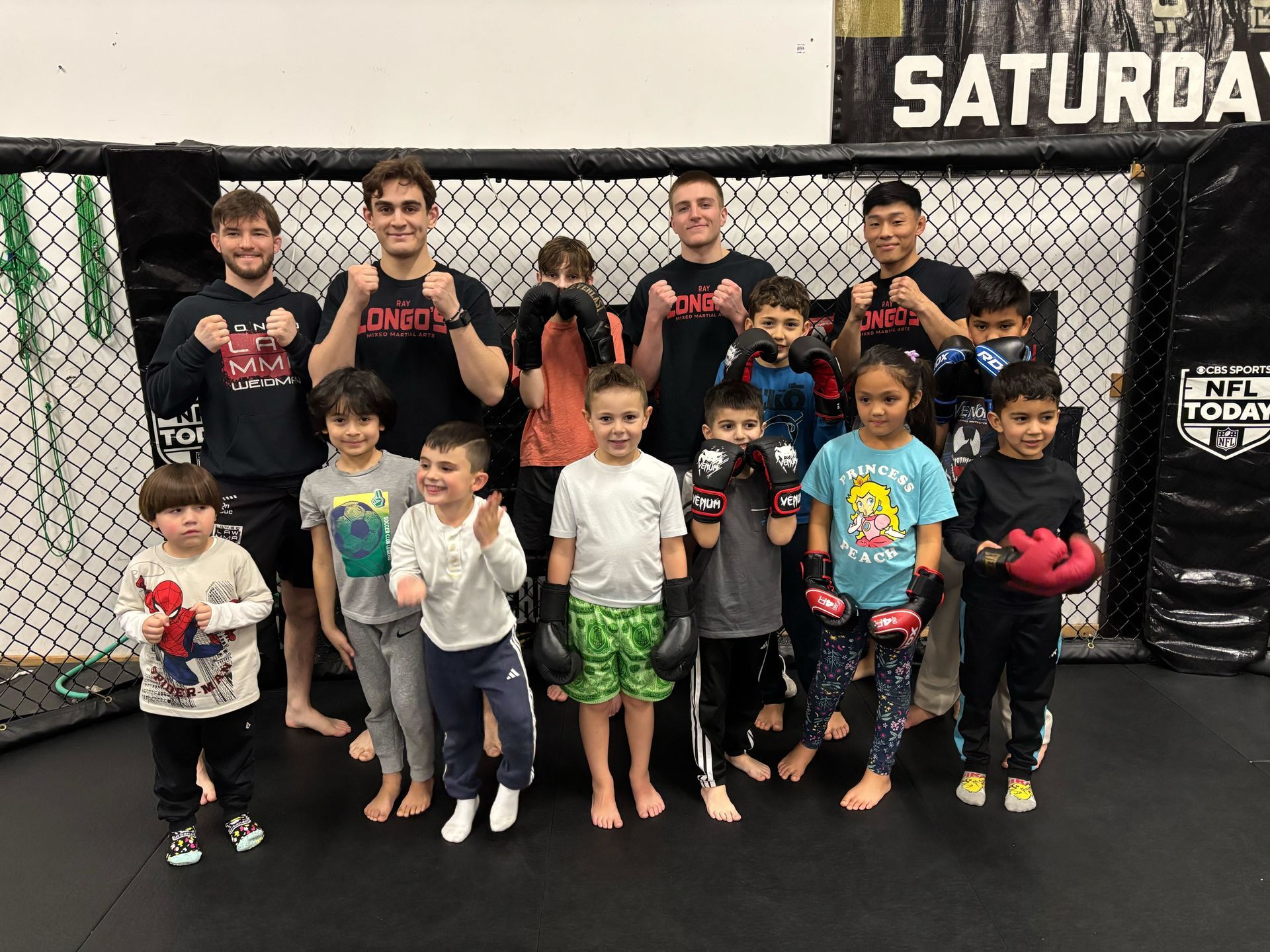
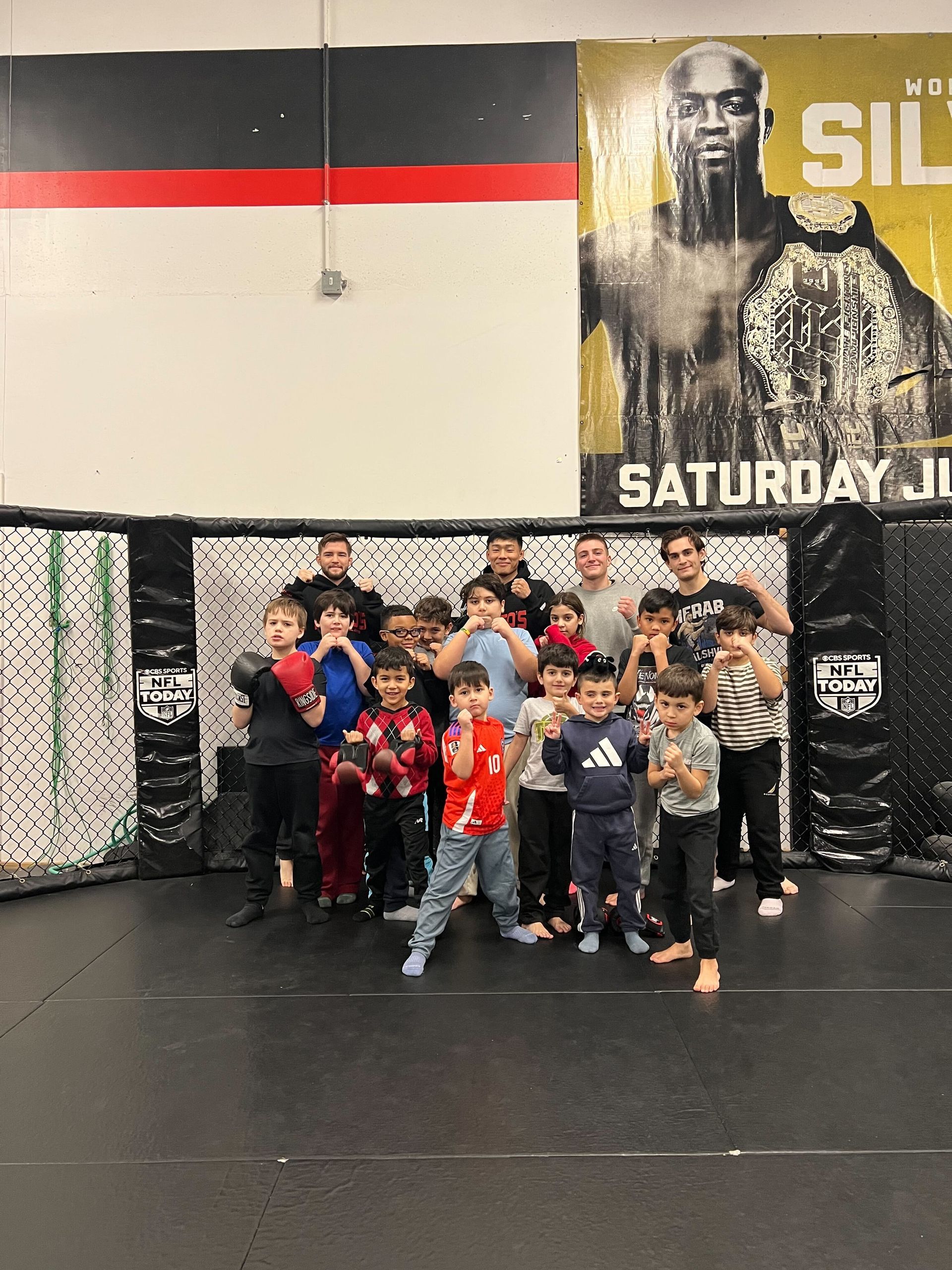
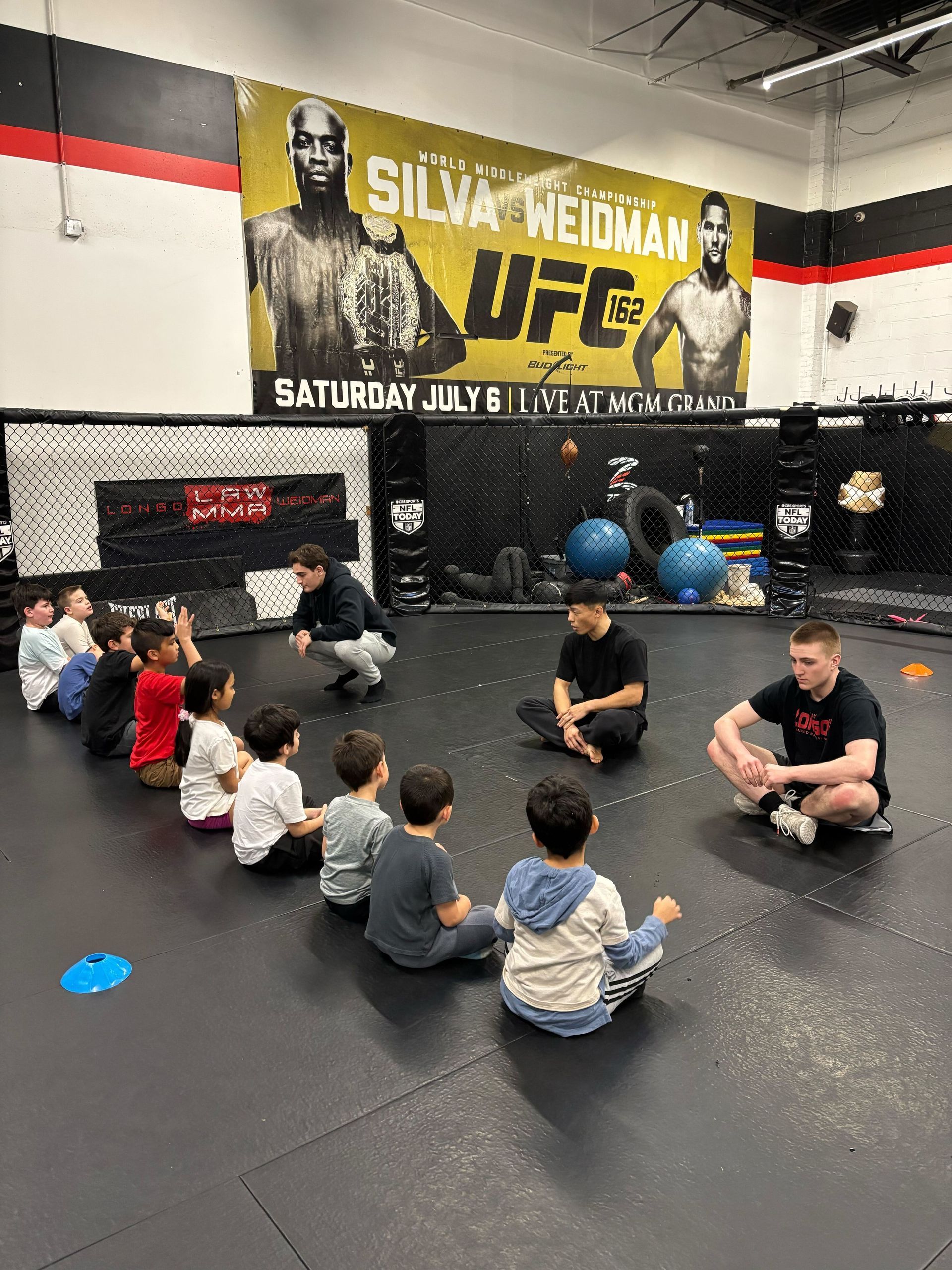
Our kids training focuses on structure, listening, safe partner work, and age-appropriate self-defense concepts. Parents often tell us the benefits show up outside the gym too, which makes sense. When kids practice calm focus in class, it tends to travel with them.
What to expect in our facility in Garden City
Your experience is shaped by the environment as much as the curriculum. We keep our space professional and purposeful, with the room and equipment to support real training. The regulation boxing ring is not just for show. It creates a clear, safe space for learning ring craft, controlled rounds, and movement.
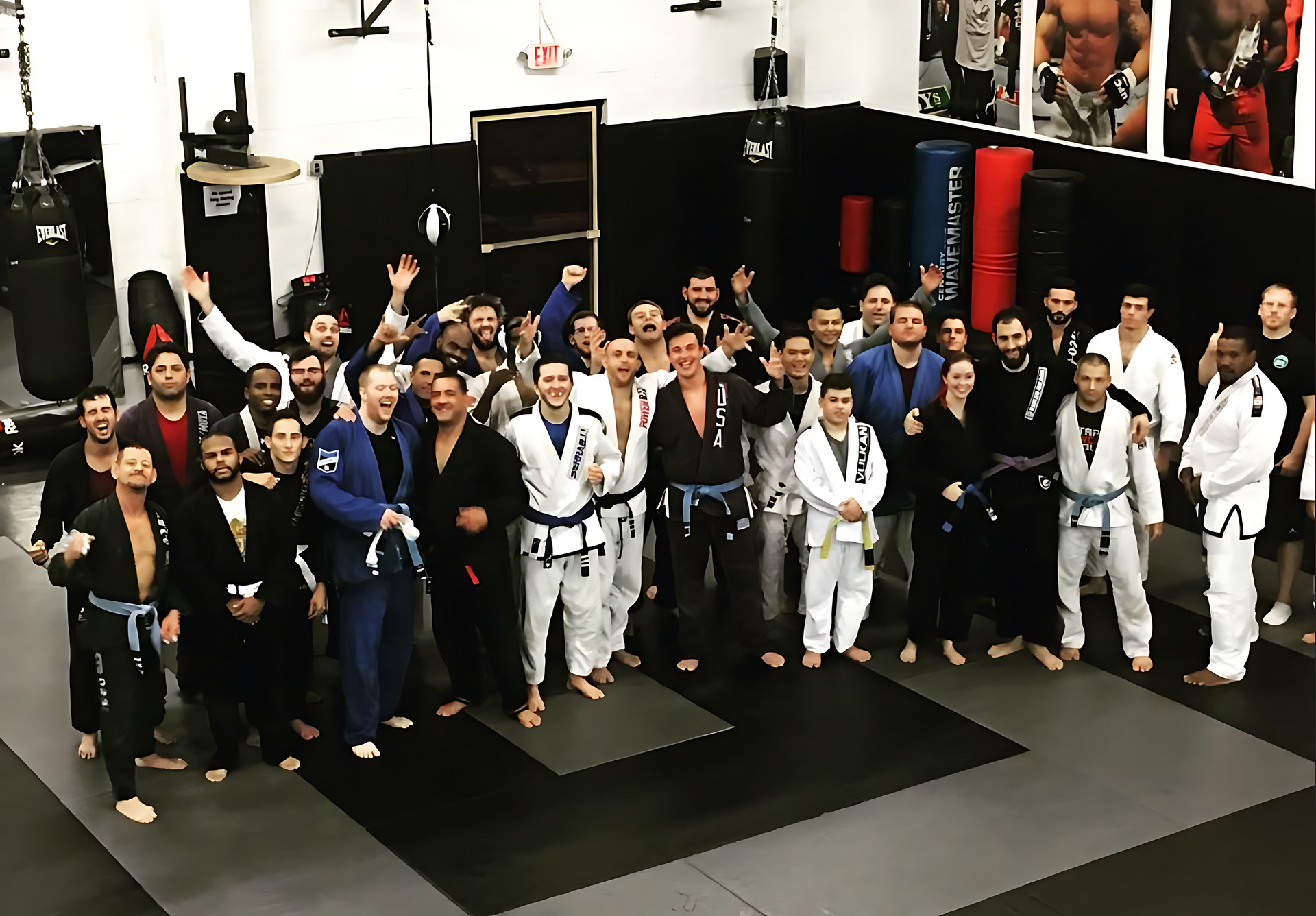
You’ll also notice our community approach quickly. New students train next to experienced people, and the expectation is simple: be respectful, work hard, and keep learning. That’s how you get better, and it’s also how a gym stays a place you want to return to.
If you’re exploring martial arts classes in Garden City, we recommend showing up a little early for your first session so you can settle in, ask a couple questions, and start class without feeling rushed.
Common questions we hear (and our straight answers)
Do I need to be in shape before I start?
No. Getting in shape is one of the reasons to start. We scale intensity and help you build up.
Will I get hurt?
Any contact sport has risk, but smart coaching, controlled training, and good partner culture reduce it significantly. We emphasize fundamentals and progressions for a reason.
Can I train for fitness without sparring?
Yes. You can build conditioning and skill through pads, drilling, and controlled partner work. Sparring is optional unless your goals require it.
How long until I feel progress?
Most people feel tangible changes in 3 to 6 weeks: better cardio, better coordination, and more confidence in basic techniques. Deeper skill is a longer game, but that’s part of what makes martial arts rewarding.
Take the Next Step
If you want martial arts training that’s structured, coached, and built for real progress, we’d like you to experience how we run class in person. Ray Longo's Mixed Martial Arts in Garden City, NY is designed to support beginners, committed hobbyists, and serious competitors under the same roof, with a system that keeps you improving without the drama.
When you’re ready, use the website to check the class schedule, pick a starting point, and come in with one goal for the first month. We’ll help you build the plan, tighten the details, and keep you moving forward, one round at a time, at Ray Longo's Mixed Martial Arts.
Continue your martial arts journey beyond this article by joining a class at Ray Longo’s Mixed Martial Arts.