

Why Martial Arts Is the Top Choice for Teen Confidence in Garden City
Martial arts builds teen confidence the honest way: through progress you can feel, structure you can trust, and a team that notices you.
Teen confidence is a big topic in Garden City, and not just because of social media or school pressure. Parents tell us they want an activity that helps teens stand taller, speak up in class, and handle stress without shutting down or acting out. Teens tell us they want to feel capable, not “fixed.”
Martial Arts works for confidence because confidence is not a pep talk. It is a skill. In our classes, you earn it through repetition, coaching, and small wins that stack up over time. Research backs that up too: structured training in adolescents has been associated with improved self-confidence, self-efficacy, resilience, stress outcomes, and social development, especially in programs like karate and Taekwondo that emphasize progressive learning and supportive structure.
Garden City is also the kind of place where teens stay busy. With school, clubs, sports, and part-time jobs, an activity has to do more than burn energy. It has to build habits, focus, and a sense of belonging. That is exactly where Martial Arts fits.
Why teen confidence grows faster with Martial Arts
Confidence grows when you can point to evidence. You can say, “I used to struggle with this, and now I don’t.” That is why Martial Arts tends to “stick” for teens who have tried other activities and didn’t feel like themselves.
A big reason is measurable progress. In a typical week of training, your teen can see improvements in balance, coordination, conditioning, and technique. Even better, your teen learns to stay calm in uncomfortable moments, like drilling a new movement or sparring lightly with safe rules. That calm carries into daily life.
We also teach confidence with structure, not pressure. Teens get clear expectations, consistent coaching, and goals that are challenging but realistic. That balance matters, because confidence does not come from being praised for everything. It comes from being coached through something that is hard and finishing anyway.
What the research says about Martial Arts and teen development
Parents often ask if confidence benefits are real or just marketing language. The science is not perfect, but it is encouraging and surprisingly consistent across different styles and study designs.
A 2026 scoping review focusing on karate interventions in children and adolescents found common improvements in areas like self-confidence, resilience, self-efficacy, and stress outcomes. A 2025 study on teen Taekwondo also highlighted confidence-building and social connection as core developmental benefits for adolescents. Those findings match what we see every week: when teens train in a structured, respectful environment, confidence becomes a byproduct of showing up.
That research matters because it shifts the conversation away from “toughness” and toward healthy development. The goal is not to make your teen aggressive. The goal is to help your teen feel steady, capable, and socially connected.
Why Garden City teens respond so well to this kind of training
Garden City families tend to value routine and results. When school expectations are high, teens need an outlet that is productive, not chaotic. Our training gives teens a place to work hard, sweat, and reset, while still being coached in a way that supports maturity.
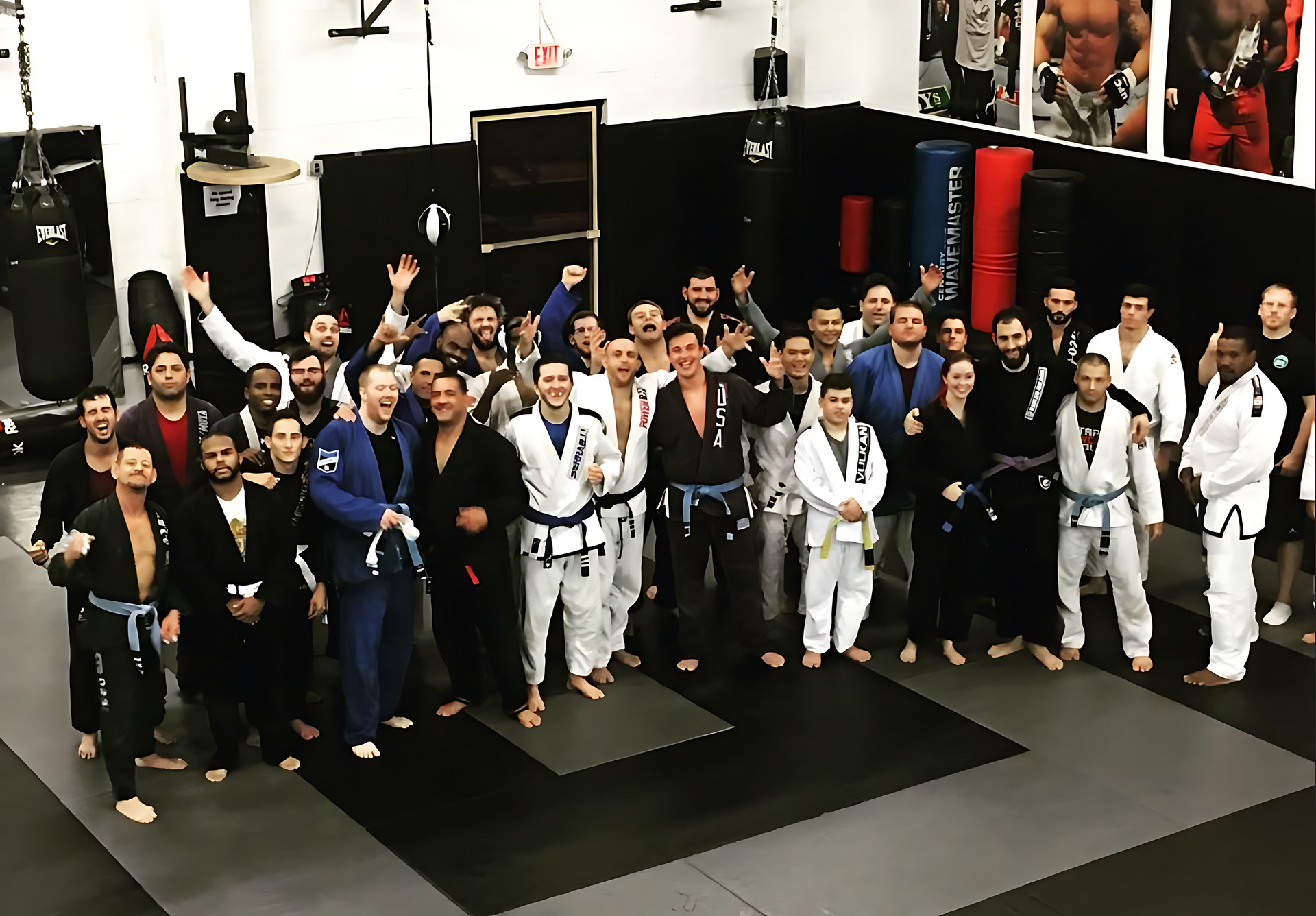
There is also a local reality: teens here are around peers all day. Confidence is not just internal, it is social. Martial Arts gives teens a setting where respect is not optional, where partners rotate, and where teamwork is built into the training. Over time, many teens become more comfortable starting conversations, taking feedback, and being seen trying something new.
And yes, the confidence shows up in the small stuff: posture, eye contact, speaking clearly, and not shrinking when someone else is loud.
The confidence cycle we build in our teen program
We do not rely on motivational speeches. We rely on a training loop that makes confidence inevitable if you keep showing up.
Step 1: Clear fundamentals
We start with stance, movement, and basic technique. When your teen understands how to stand, breathe, and move, everything else becomes less intimidating.
Step 2: Safe, progressive challenge
Teens get pushed, but not thrown into the deep end. Challenge is introduced gradually, with coaching and rules that keep training controlled.
Step 3: Feedback that is specific
Confidence grows when feedback is precise. “Good job” feels nice for two seconds. “Keep your hands here, step here, now try again” creates real improvement.
Step 4: Visible milestones
Progress is easier to trust when you can see it. Teens often realize, mid-class, that something that used to be exhausting now feels manageable. That moment matters.
What teen Martial Arts looks like day to day (and why it feels different from gym class)
A common worry is that Martial Arts is just another place where athletic teens thrive and everyone else gets left behind. That is not how we run training.
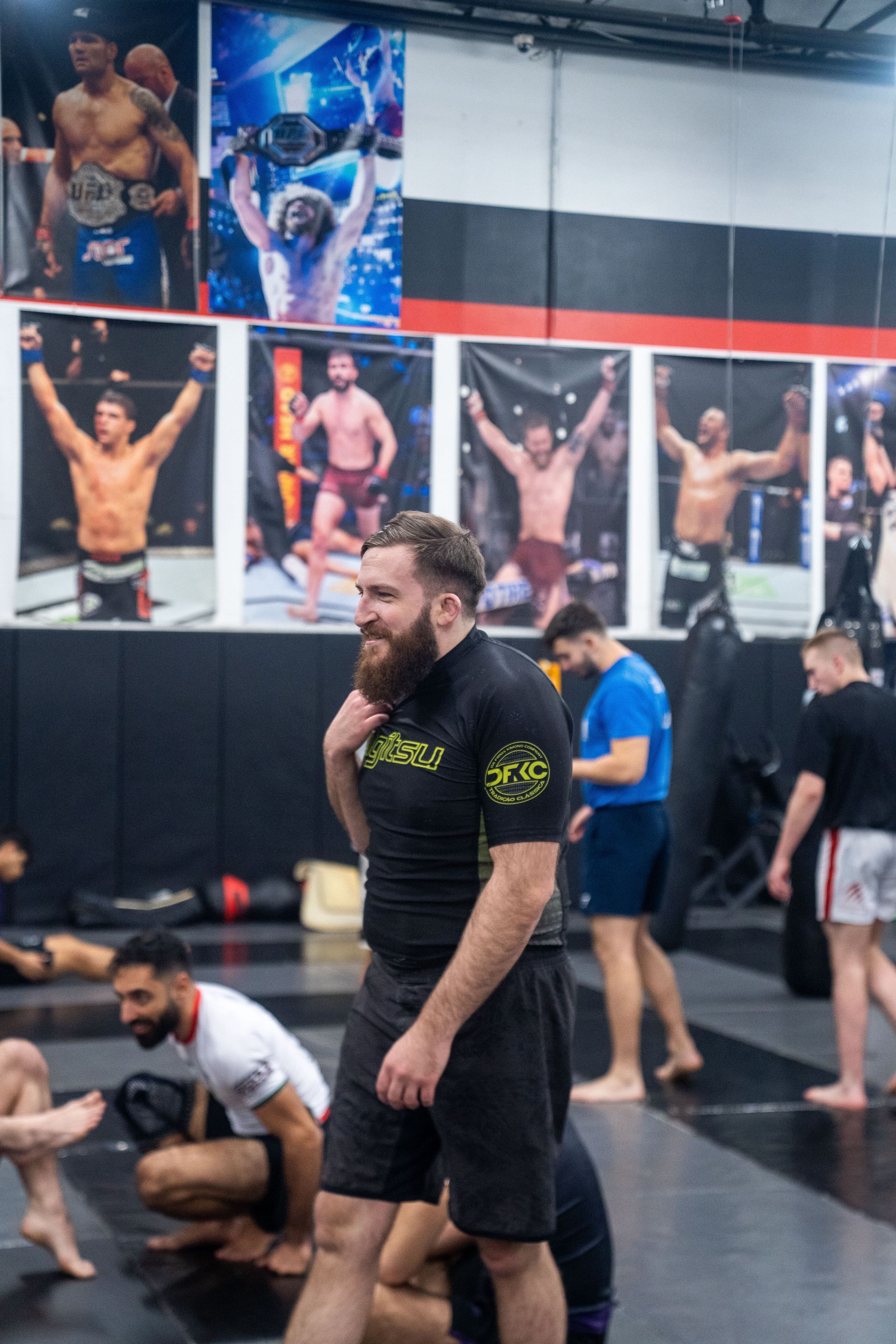
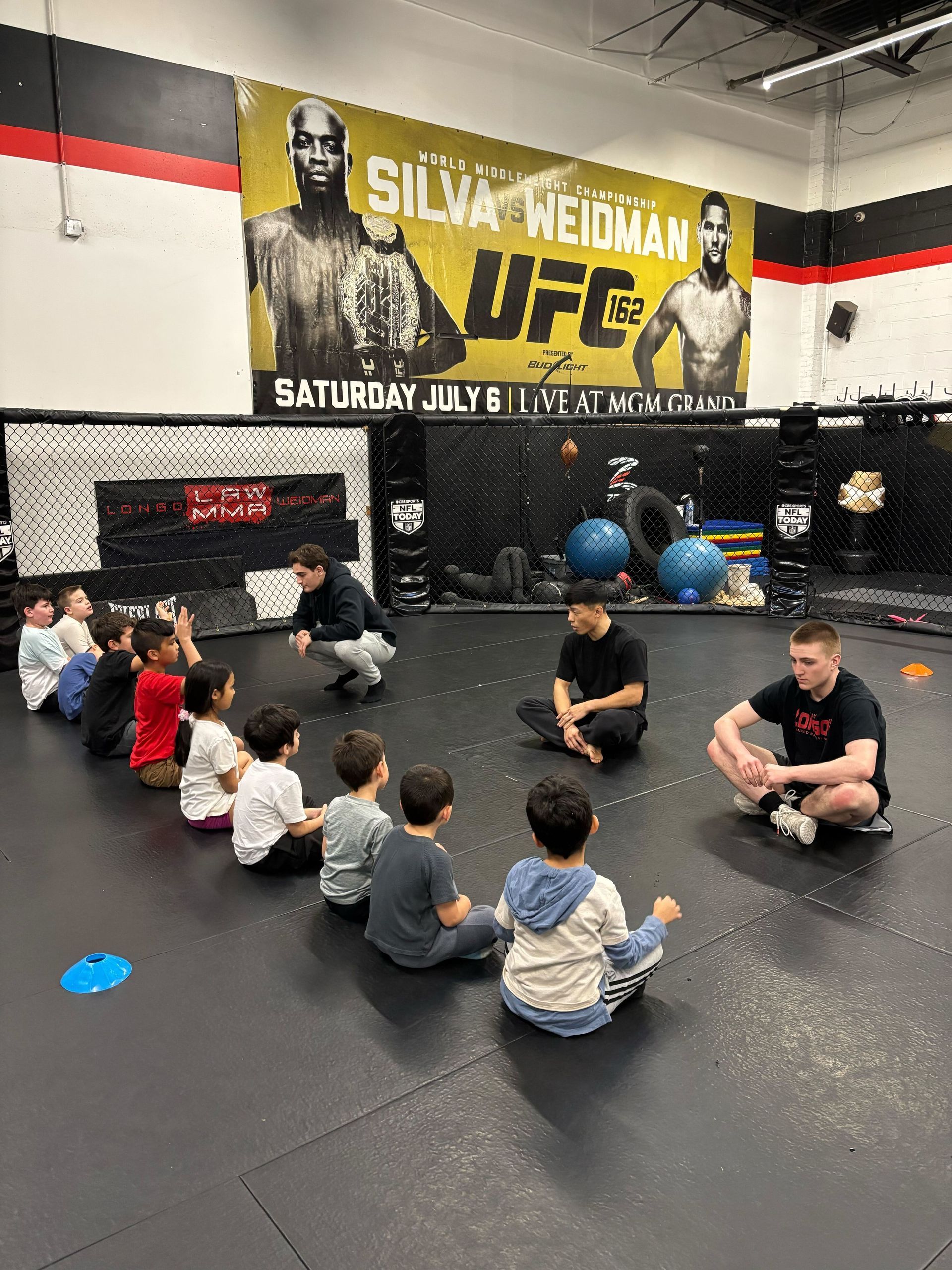
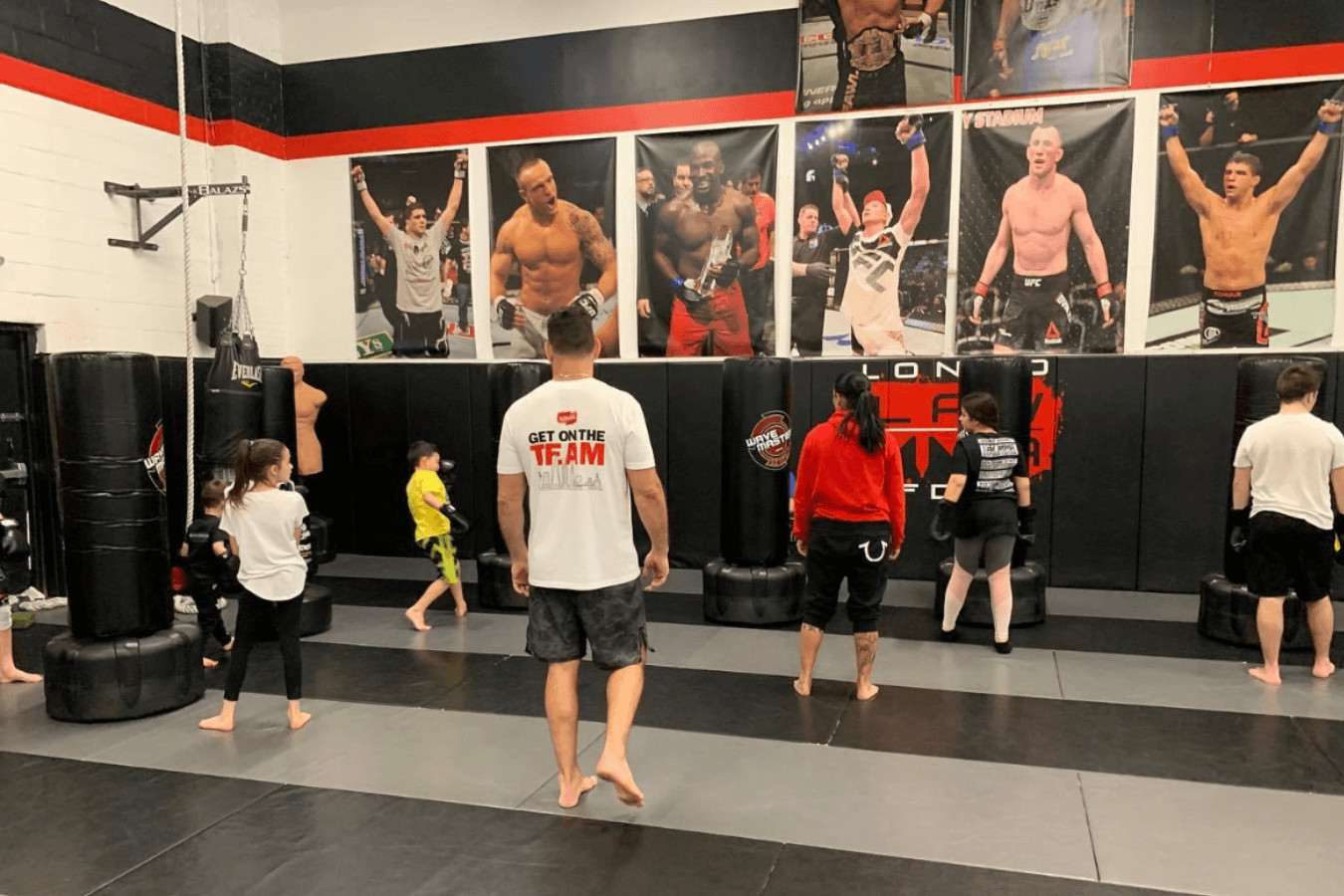
Classes are coached, not free-for-all. Teens warm up, drill techniques, work partner rounds, and finish with conditioning that can be scaled. If your teen is new to fitness, we adjust expectations while still keeping standards high. That combination is surprisingly motivating.
There is also a mental rhythm to it. Teens learn to listen, try, fail safely, reset, and try again. That is basically confidence training disguised as practice.
Safety and beginner concerns: Is MMA safe for teens?
“MMA” can sound intense if your only reference point is televised fights. Our approach is different because beginners need structure, supervision, and rules that protect learning.
Safety comes from how training is designed:
- Technique comes before intensity, always
- Contact is controlled and introduced gradually when appropriate
- Coaching emphasizes composure, not ego
- Partners are matched thoughtfully, with supervision
- Protective gear and clear boundaries keep training responsible
If your teen is brand new, the early phase is mostly fundamentals, movement, and skill-building. The point is to learn control. In fact, one of the best confidence outcomes we see is a teen realizing, “I can handle pressure, and I can stay respectful while I do it.”
How teen MMA differs from Adult MMA in Garden City
Parents also ask about the difference between teen training and Adult MMA in Garden City. The difference is not just size or strength. It is coaching style, pacing, and goals.
Teen classes are designed to support development. That means more guided instruction, more emphasis on fundamentals, and a stronger focus on decision-making, teamwork, and emotional control. Adults often train with different priorities: stress relief after work, conditioning goals, and deeper technical specialization.
For teens, we keep the room focused. We correct habits early. We build confidence without rushing intensity. And when a teen is ready, cross-training into adult classes can become a long-term pathway, not a jump into something overwhelming.
Benefits Garden City parents usually notice first
Confidence is the headline, but parents often notice a bundle of changes that show up at home and at school.
Here are the most common improvements families mention after consistent training:
- Better posture and presence, including calmer body language in social situations
- More willingness to speak up, whether that is in class or with peers
- Stronger stress management, especially after a tough day at school
- Healthier boundaries, including the ability to say no and mean it
- More consistent routines, because training creates a weekly anchor
Those benefits align with what research has suggested: structured Martial Arts training can support resilience, self-efficacy, and stress outcomes in adolescents when the environment is coached and consistent.
Bullying, anxiety, and focus: what Martial Arts can and cannot do
We take bullying and anxiety seriously, and we are careful not to promise magic. Martial Arts does not erase problems overnight. What it can do is change how your teen carries themselves and responds under pressure.
For bullying concerns, we focus on boundary-setting, awareness, and practical self-defense readiness that matches age and experience. Teens learn how to stay calm, create space, and respond with control. Just as importantly, they learn that confidence does not have to be loud. Quiet confidence tends to deter a lot of negative behavior before it starts.
For anxiety and stress, training gives teens a place to move, breathe, and reset. Learning technique forces attention into the present moment. The body gets stronger, and the mind gets less reactive. Many teens walk out of class looking lighter, like they finally exhaled.
For focus, we use repeatable drills and clear expectations. Teens practice listening, following sequences, and staying engaged even when they feel frustrated. That is the kind of focus that helps with studying and classroom participation, not just sports performance.
What to expect in a first class (and what to wear)
The first class should feel welcoming and structured, not intimidating. We guide new teens through the pace of training so your teen knows what is happening and why.
A typical first visit looks like this:
1. Arrive a bit early so we can orient you, answer questions, and help you feel settled
2. Start with a coach-led warm-up focused on safe movement and basic conditioning
3. Learn a small set of fundamentals, like stance, footwork, and basic technique
4. Drill with a partner in a controlled way, with lots of coaching and resets
5. Finish with a short conditioning block and a quick wrap-up on what to practice next
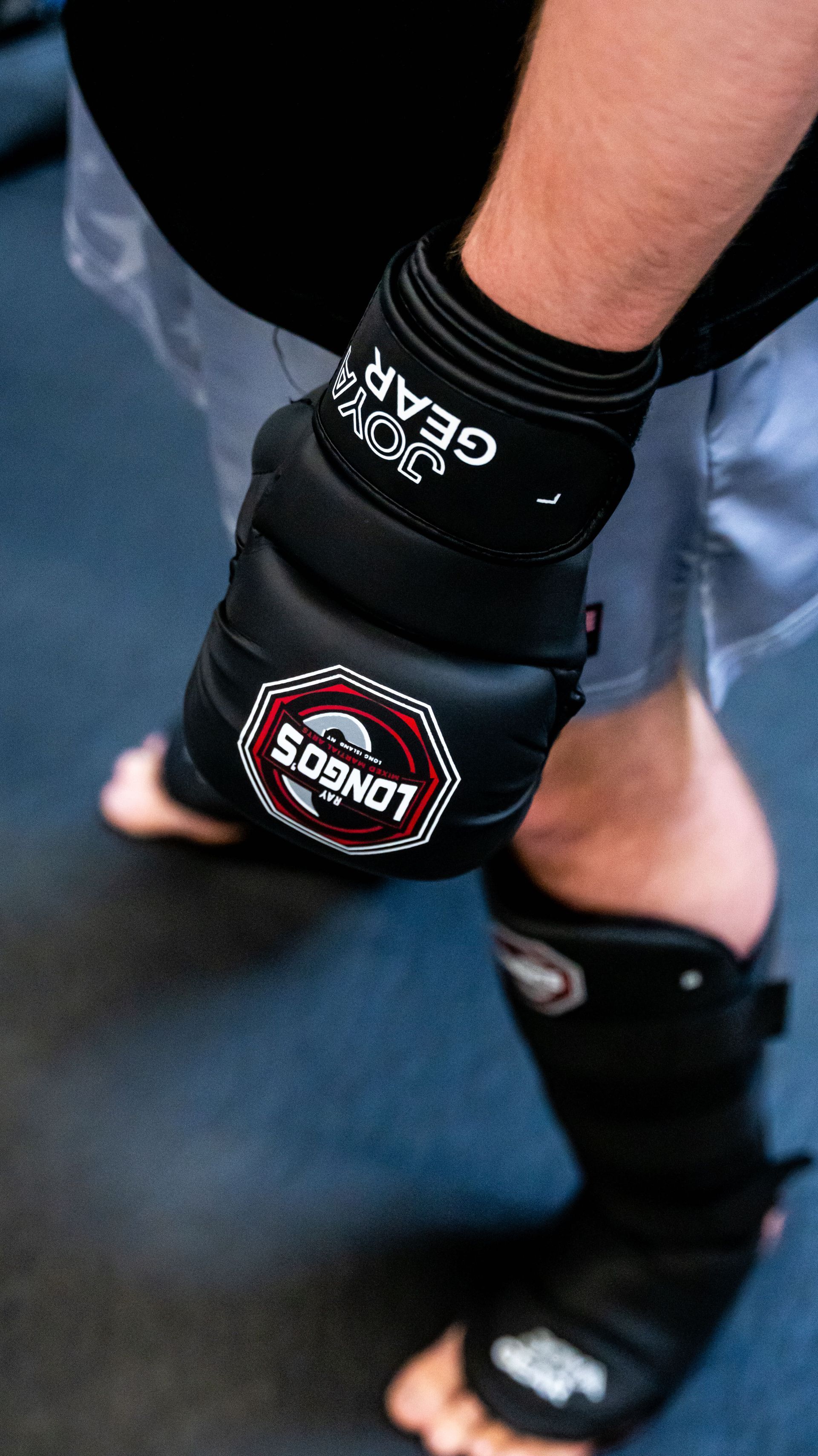
For what to wear, comfortable workout clothes are usually enough for a first class. If your teen sticks with it, we will help you understand any gear needs based on the program track.
How progression works, so your teen stays motivated
Confidence drops when teens feel lost. That is why we keep progression clear. Your teen should know what to work on this week, what “better” looks like, and how to improve safely.
We coach fundamentals repeatedly because fundamentals are where confidence lives. As your teen improves, we add complexity: timing, distance, combinations, and controlled rounds that teach composure. The goal is not to rush. The goal is to build a foundation that makes your teen feel capable in the real world.
A useful way to think about it is this: Martial Arts gives teens a ladder. Each class is a rung. Even on a tough day, your teen climbs something.
Take the Next Step
If your goal is teen confidence that shows up at school, at home, and in social situations, Martial Arts is one of the most practical choices you can make in Garden City. It blends structure, fitness, and real skill development in a way teens can actually feel, not just talk about.
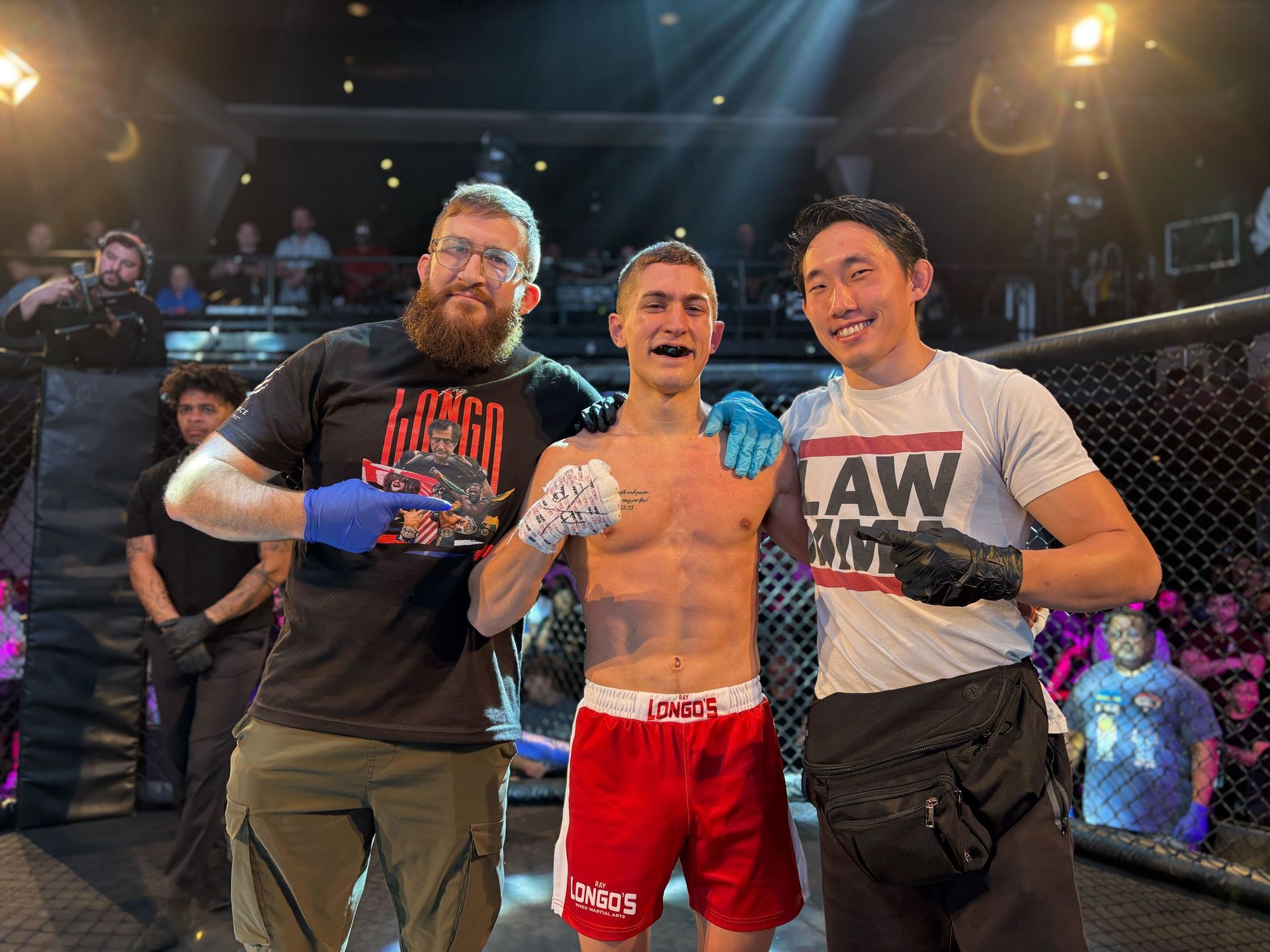
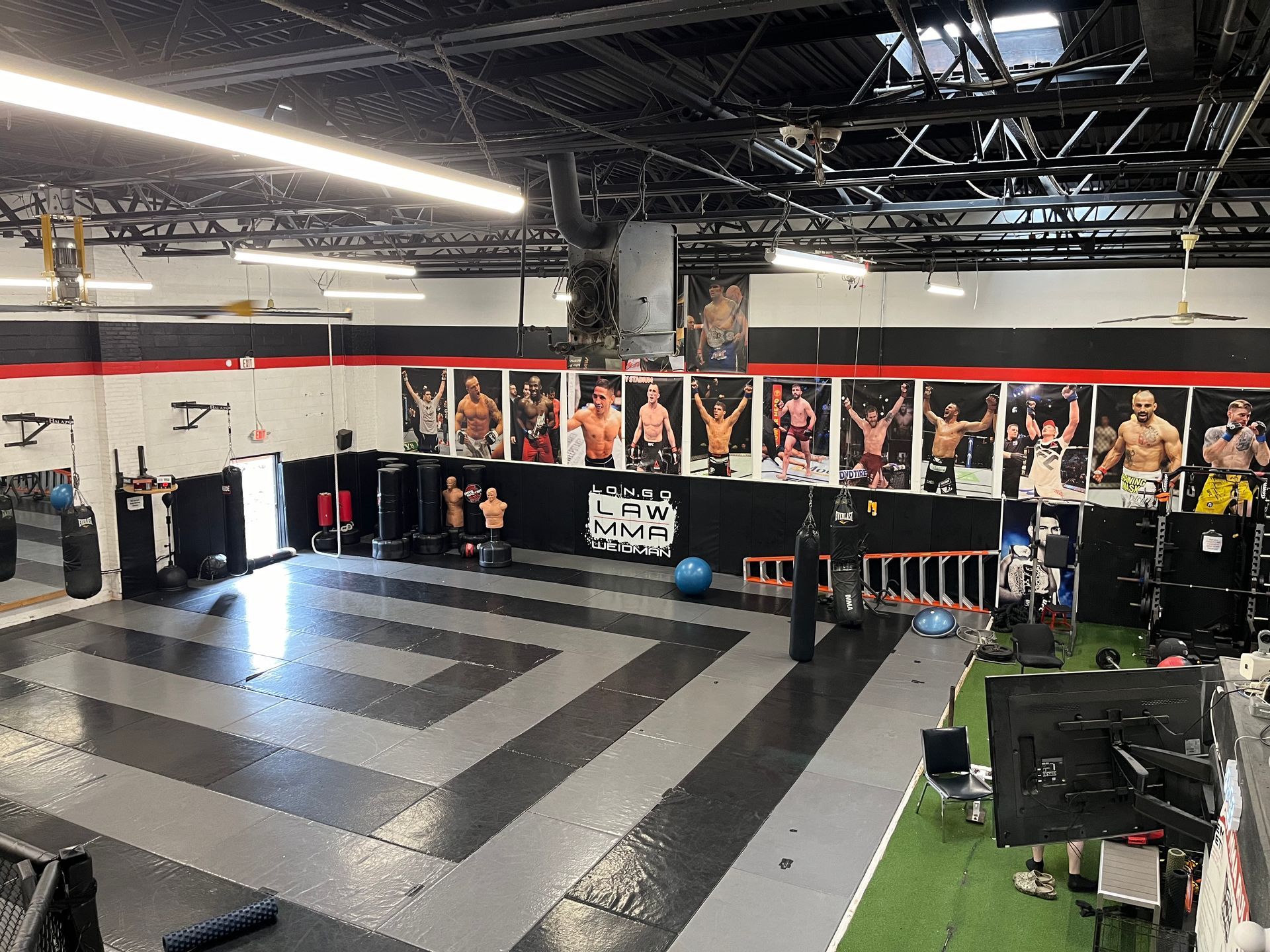
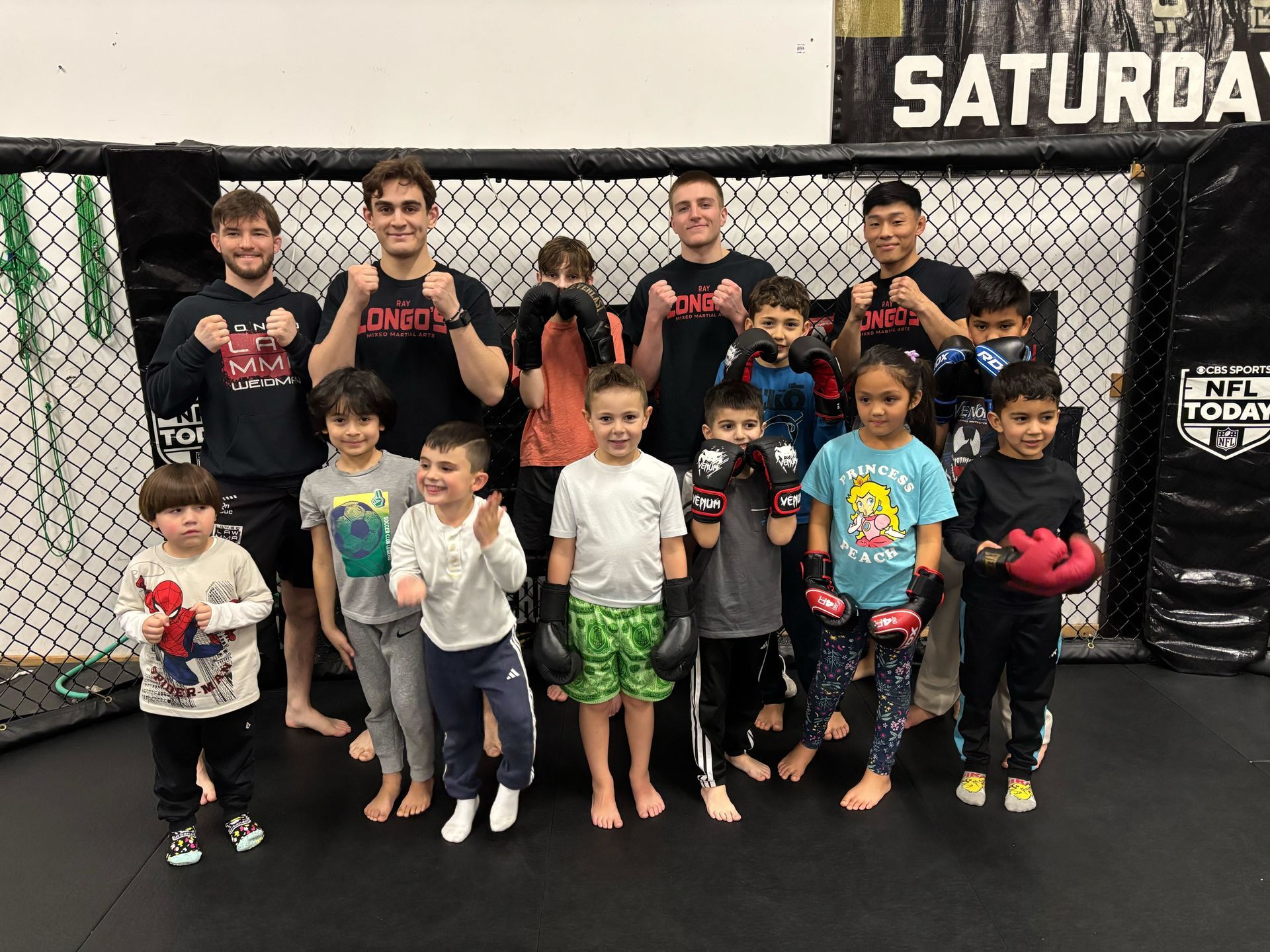
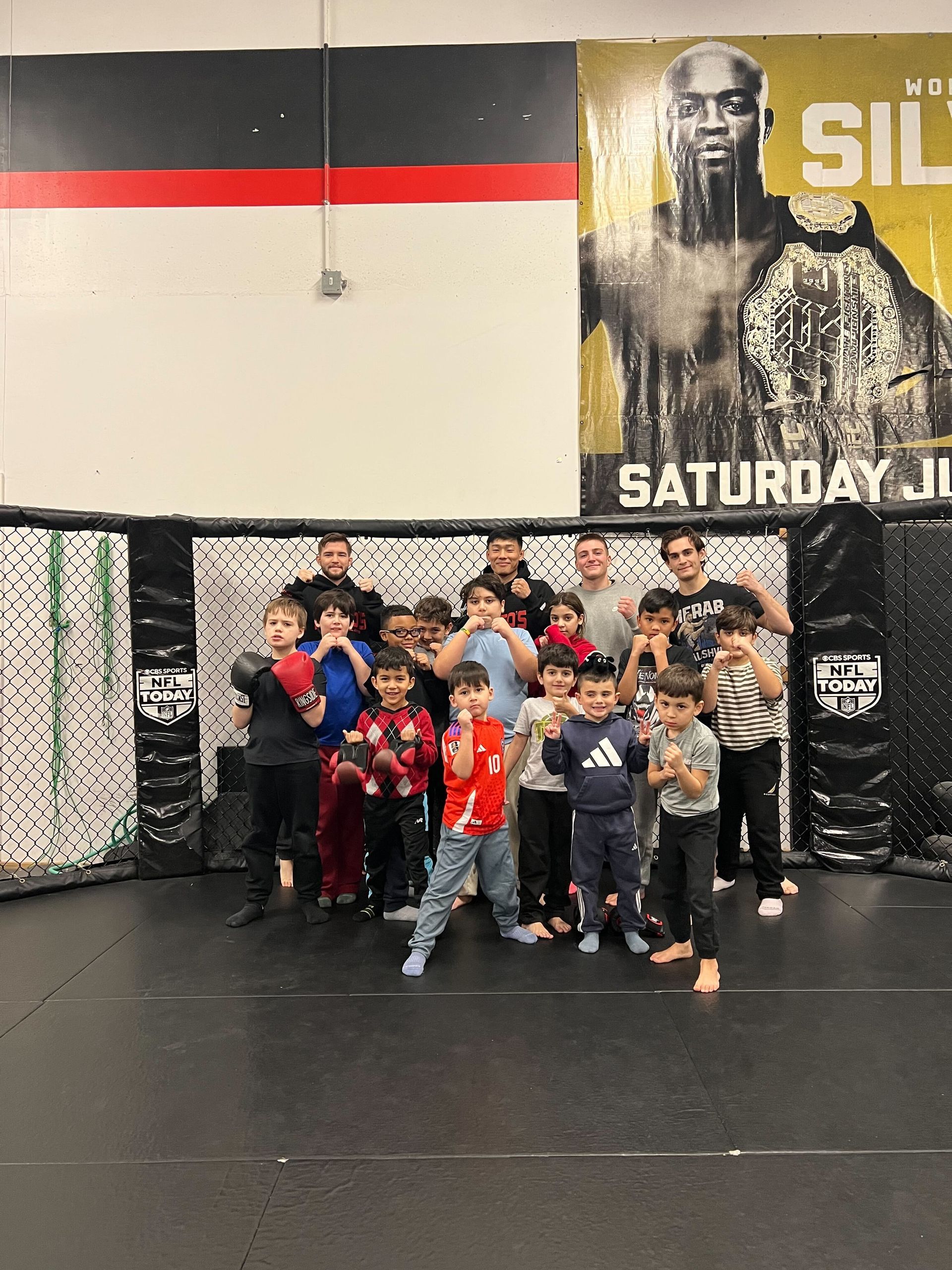
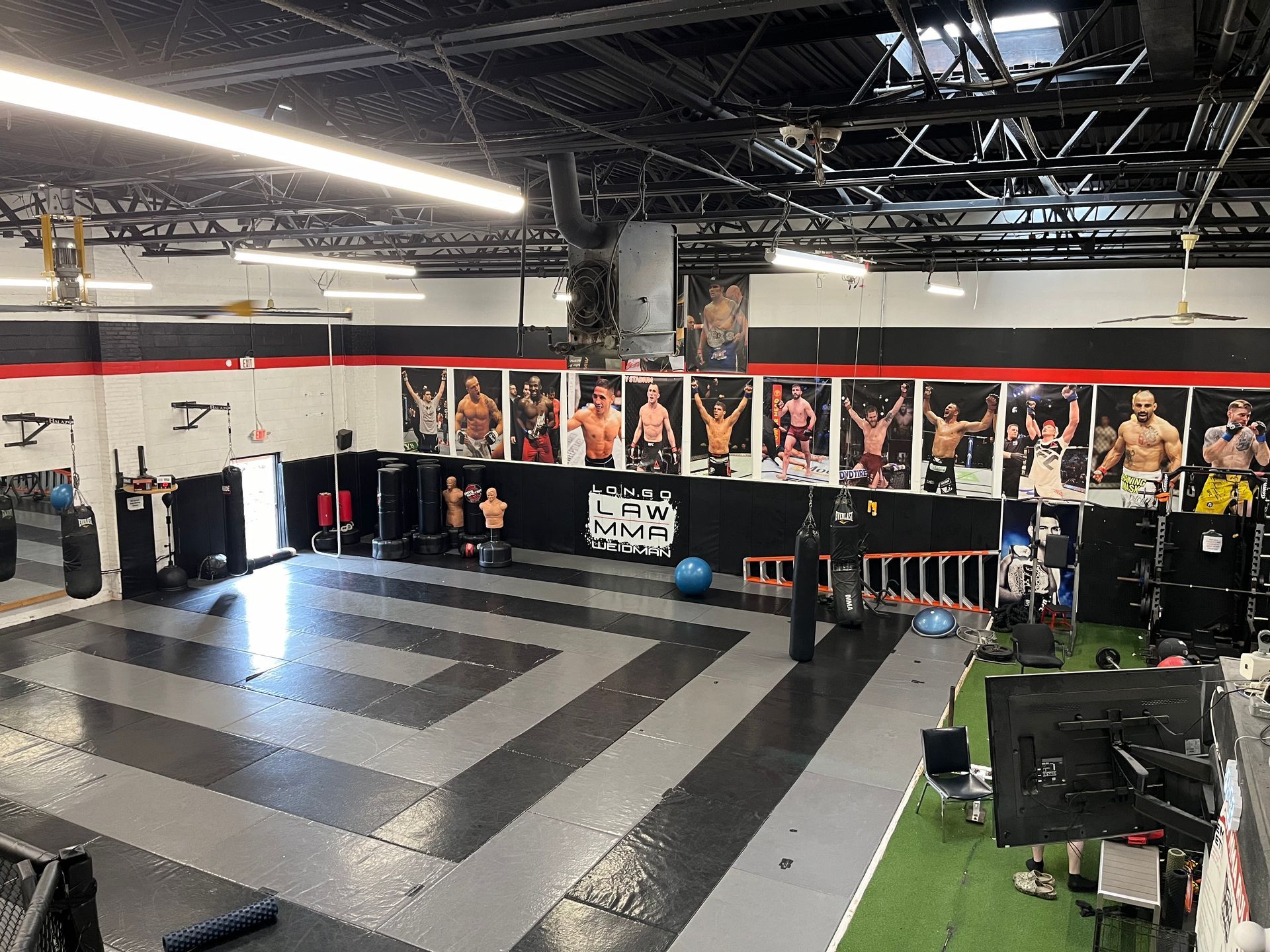
We built our teen training at Ray Longo's Mixed Martial Arts around respectful coaching, age-appropriate self-defense, and a team environment where progress is noticed. When your teen learns control, consistency, and composure here, confidence tends to follow naturally.
Ready to get started? Join a martial arts class at Ray Longo's Mixed Martial Arts and begin building your skills.