

What Every Garden City Parent Should Know About Youth Brazilian Jiu-Jitsu
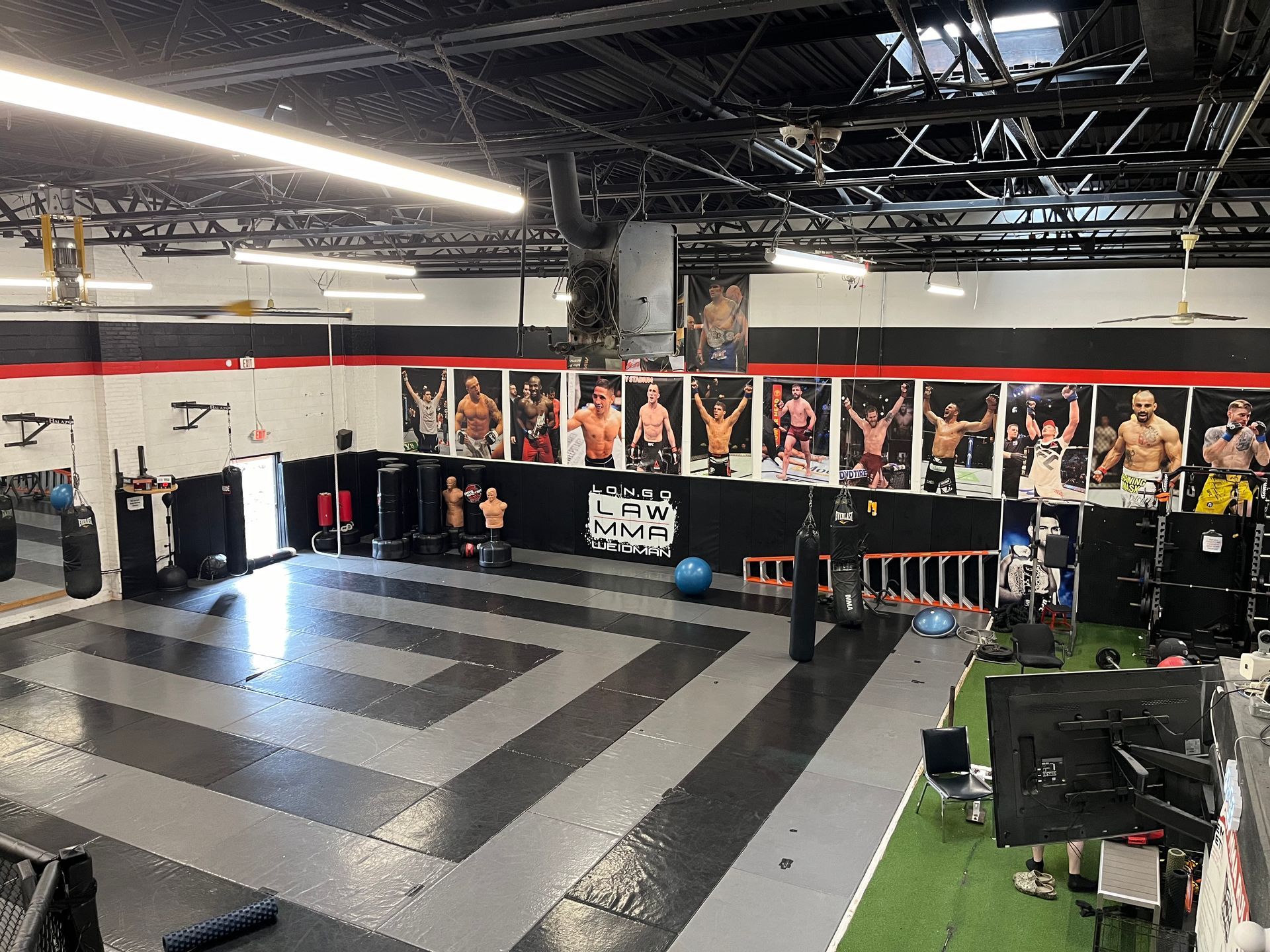
A good kids program should build real confidence and real control, not just tire your child out for an hour.
If you are looking into Youth Brazilian Jiu-Jitsu for your child, you are probably balancing a few priorities at once: safety, structure, a positive environment, and something your kid will actually stick with. We get it, because most Garden City families are juggling school, activities, and busy after school routines.
Youth Brazilian Jiu-Jitsu is also one of those rare activities that checks multiple boxes at the same time. Done the right way, it is practical self defense, full body fitness, and a steady way to build focus and resilience. Our goal is to give you clear, parent friendly guidance so you know what to expect and how to decide if this is the right fit for your child.
Why Youth Brazilian Jiu-Jitsu works so well for Garden City kids
Kids do not always connect with exercise for exercise’s sake. Youth Brazilian Jiu-Jitsu works because it feels like learning a skill, not just “working out.” The movements are engaging, the progress is easy to measure, and kids tend to leave class feeling proud of what they figured out.
From a physical standpoint, Brazilian Jiu-Jitsu Garden City families choose is typically a full body activity that develops coordination, balance, core strength, flexibility, and cardiovascular endurance. Since the training is based on movement and body awareness, kids build functional strength without relying on weight based workouts or high impact routines.
From a parent standpoint, the benefits often show up at home and at school. When training is consistent, many families notice improved self control, better emotional regulation, and more confidence in social situations. It is not magic, but it is a structured practice where kids learn to try, adjust, and keep going.
The biggest parent question: Is Brazilian Jiu-Jitsu safe for kids?
Safety is a fair concern, and you should ask about it directly before your child joins any program. Youth Brazilian Jiu-Jitsu should be taught with age appropriate coaching, clear boundaries, and a strong emphasis on control and technique rather than force.
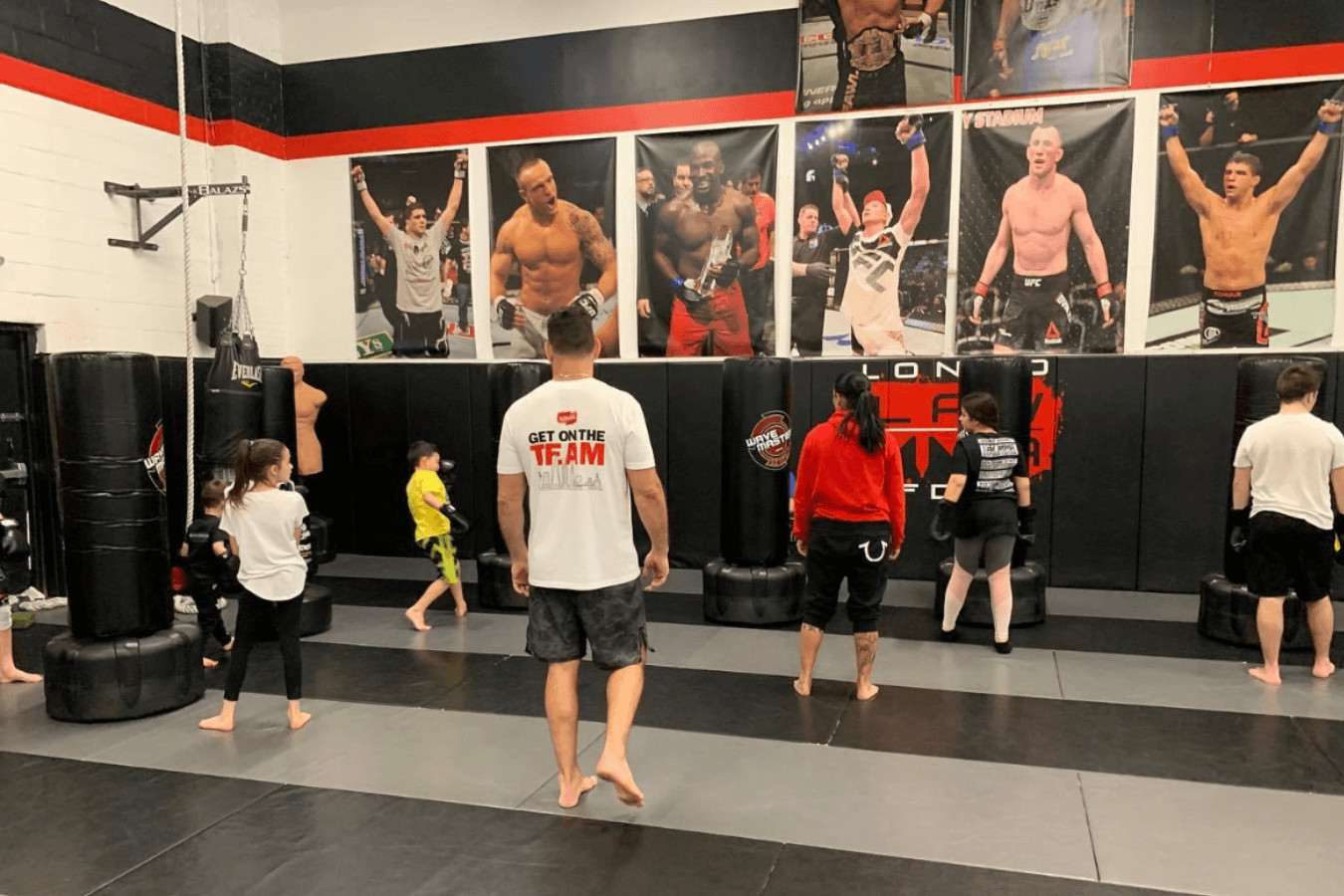
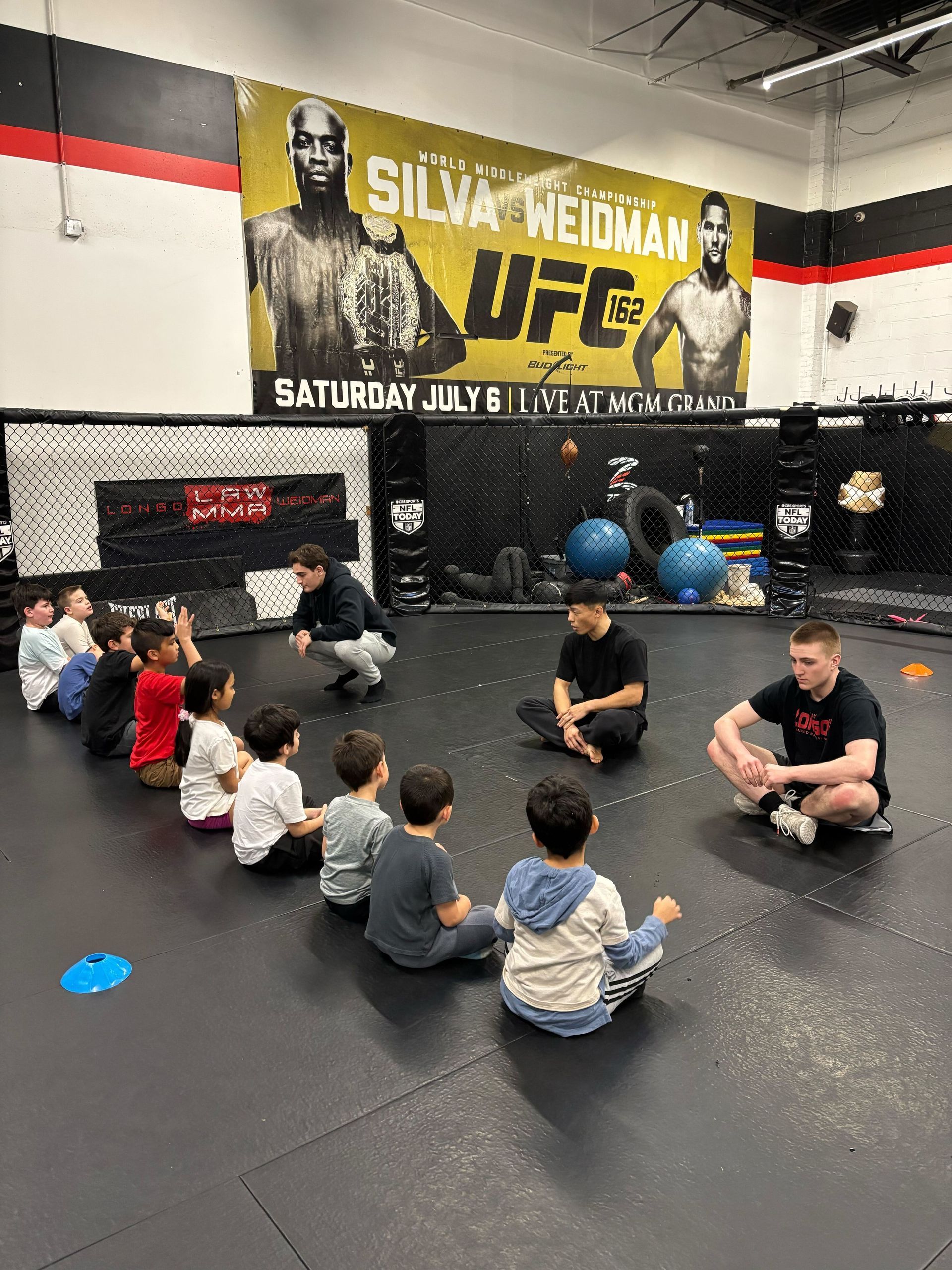
In our kids classes, safety starts with how we structure the room. We match training partners thoughtfully, we keep drills supervised, and we teach kids how to move with control before anything becomes fast or competitive. We also teach tapping early, so children understand how to communicate “stop” clearly and confidently. That is a life skill in itself.
A well run Youth Brazilian Jiu-Jitsu program is not a brawl. It is coached movement, positional learning, and calm repetition. Kids learn how to be responsible with their bodies and respectful with training partners, and that culture matters.
What kids actually learn in Youth Brazilian Jiu-Jitsu (and why it matters)
Youth Brazilian Jiu-Jitsu is often described as problem solving with your body. Kids learn how to manage distance, how to keep balance, how to escape uncomfortable positions, and how to stay calm while working toward a solution. That sounds big, but it starts with very simple building blocks.
We teach fundamentals in a way kids can absorb, repeat, and use. That typically includes:
• Breakfalls and safe movement skills that reduce the chance of injury during everyday slips, trips, and rough play
• Positional basics like how to maintain top control, recover guard, and stand up safely with awareness
• Escapes from common holds so kids feel less panicked if someone grabs or tackles during play
• Simple submissions taught as controlled technique, with strict rules around tapping and partner safety
• Sportsmanship habits like listening, waiting your turn, and being a good partner, even on a tough day
Over time, these fundamentals build into something parents can really appreciate: your child learns that staying calm and technical usually works better than “trying harder.” That mindset carries over into schoolwork, team sports, and social situations.
Age by age: what we focus on as kids grow
Kids develop fast, and a smart curriculum adjusts with them. While every child is unique, we generally think about Youth Brazilian Jiu-Jitsu in stages so the expectations match the age.
Ages 4 to 6: movement, listening, and confidence starts
At this age, we prioritize basic coordination, safe tumbling, and following directions. Classes should feel fun and structured, with clear rules and lots of encouragement. Many kids also benefit from learning personal space and gentle physical boundaries in a supervised setting.
Ages 7 to 10: fundamentals, partners, and “try again” grit
This is often the sweet spot for skill growth. Kids can focus longer, understand step by step instruction, and start to connect techniques together. We emphasize partner respect, self control, and learning how to handle frustration when something does not work on the first attempt.
Ages 11 to 13: more detail, more strategy, more responsibility
As kids get older, we can teach more technical layers and introduce more structured sparring rounds, always with coaching and safety standards. Kids also start taking pride in consistency, and that is where discipline becomes real, not just a word.
Teens: athletic development and practical self defense
Teen training can be a strong bridge between youth and adult skill development. Many teens use Youth Brazilian Jiu-Jitsu as cross training for other sports because it builds balance, hip strength, coordination, and body control. It is also a practical self defense base because it teaches composure under pressure.
Confidence, bullying, and what BJJ can realistically do
A lot of parents searching Youth Brazilian Jiu-Jitsu Garden City are doing it because of confidence, social stress, or bullying concerns. We take that seriously, and we also like to be realistic.
Brazilian Jiu-Jitsu can help kids carry themselves differently. When children learn how to stay calm, use posture, and control space, it often changes how they show up around peers. Confidence becomes quieter and more grounded. Kids also practice assertiveness in small ways, like saying “stop,” tapping, and resetting.
At the same time, we do not promise that training guarantees bullying will disappear. What we can say is that Youth Brazilian Jiu-Jitsu gives your child tools: improved body awareness, stronger boundaries, better emotional regulation, and a supportive environment where growth is normal. For many families, that combination makes a meaningful difference.
Is BJJ good for shy kids or high energy kids?
Usually, yes, and for different reasons.
Shy kids often benefit because the structure is predictable. There are rules, clear roles, and specific drills to focus on. That helps social confidence build gradually, without forcing loud participation right away. Over time, shy kids often become surprisingly brave on the mat, because progress is measurable and effort is rewarded.
High energy kids often thrive because the training is physical and mentally engaging. Youth Brazilian Jiu-Jitsu gives them a place to move with purpose, not chaos. The constant “listen, move, reset” rhythm is a positive outlet that can translate into better focus elsewhere.
How often should your child train?
Consistency matters more than intensity. For most kids, two classes per week is a solid start. It is enough to remember techniques, build conditioning, and feel part of the group. Some kids train once per week when schedules are tight, and that can still be beneficial, especially early on.
If your child loves it, adding a third day can accelerate progress, but we also like training to fit your family life. A program only works if it is sustainable, and Garden City schedules can get packed quickly.
The best approach is simple: start with what you can realistically maintain, then adjust after a few weeks once you see how your child feels.
What to expect in your child’s first class
First classes feel new, for kids and parents. Knowing the flow ahead of time helps everyone relax a bit.
A typical first Youth Brazilian Jiu-Jitsu session usually looks like this:
1. Quick check in and basic orientation so your child understands the rules and the mat space
2. Warm ups with safe movement skills like rolls, hip movement, and balance drills
3. Technique of the day taught step by step with plenty of repetition
4. Partner drilling with close coaching and frequent resets to keep it controlled
5. Light, supervised sparring for kids who are ready, or structured games that reinforce skills
6. Cool down, line up, and a short wrap up on effort, respect, and what to practice next time
Most kids are a little unsure for the first few minutes, then they settle in. By the end, many are sweaty, smiling, and already naming a “favorite move,” even if the move needs some polishing.
What your child should wear to the first class
You do not need to overthink gear on day one. If you have a uniform already, great. If not, a comfortable athletic outfit is usually fine for a trial, as long as it allows movement and does not have zippers or anything that can scratch.
Here are a few simple guidelines we recommend:
- A clean T shirt or rashguard and athletic shorts or leggings
- No jewelry, including earrings if possible, for safety
- Trimmed fingernails and toenails, which helps prevent accidental scratches
- A water bottle, because kids work hard even when they do not realize it
- A light snack for after class, since many kids arrive straight from school
If you have questions about uniforms, sizing, or what is expected for regular training, the program page on the website and our front desk team can walk you through it.
How youth classes differ from adult training
Parents sometimes worry that Brazilian Jiu-Jitsu is “too intense” because they have seen adult competition videos online. Youth Brazilian Jiu-Jitsu is different by design.
Kids classes focus on fundamentals, safety, and controlled learning. Coaching is more direct, the pace is managed, and partner matches are supervised closely. The goal is not to push kids into adult intensity. The goal is to help kids develop skills, confidence, and good habits that can grow with them.
Even when kids spar, we keep the emphasis on control, using technique correctly, and being a good partner. Those standards protect your child and also make the room feel welcoming for beginners.
Why parents choose Youth Brazilian Jiu-Jitsu over typical kids activities
We love sports and we respect any activity that gets kids moving. The reason many families stick with Youth Brazilian Jiu-Jitsu is that it blends physical development with real life skills in one place.
You are not just getting exercise. You are getting:
- A structured environment where kids practice listening, patience, and respectful behavior
- A full body fitness routine that improves coordination, balance, and conditioning
- A practical self defense foundation that emphasizes calm decision making
- A long term skill path with visible milestones and steady progress
- A community feel that helps kids build social confidence through shared effort
For Garden City families, that blend can simplify the week. One program covers a lot of what parents want for their child’s growth.
Ready to Begin
If you want a program that blends safety, structure, fitness, and practical self defense, Youth Brazilian Jiu-Jitsu is worth seeing in person. We keep our coaching age appropriate, our classes organized, and our environment focused on steady improvement, whether your child is shy, high energy, or somewhere in between.
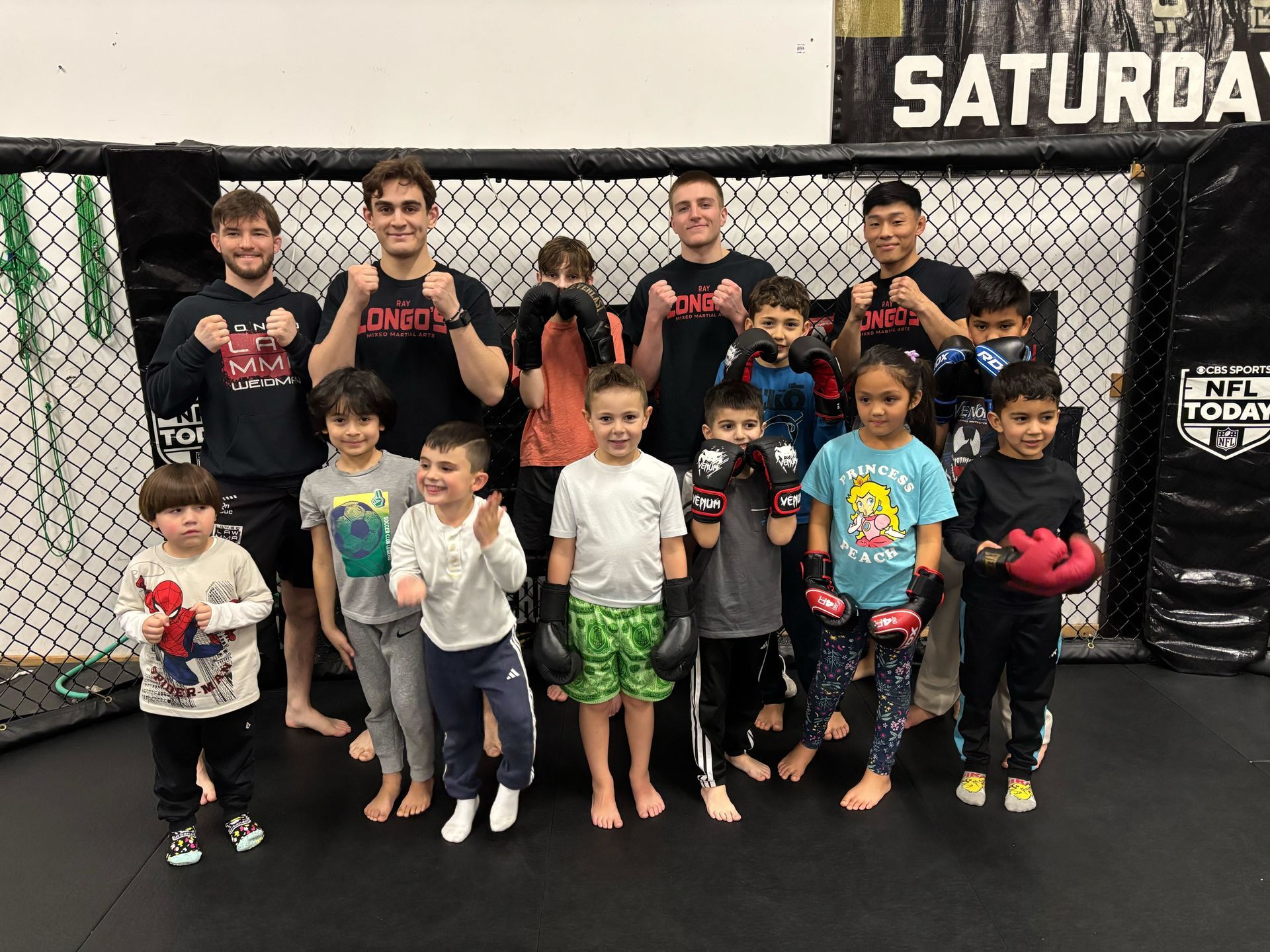
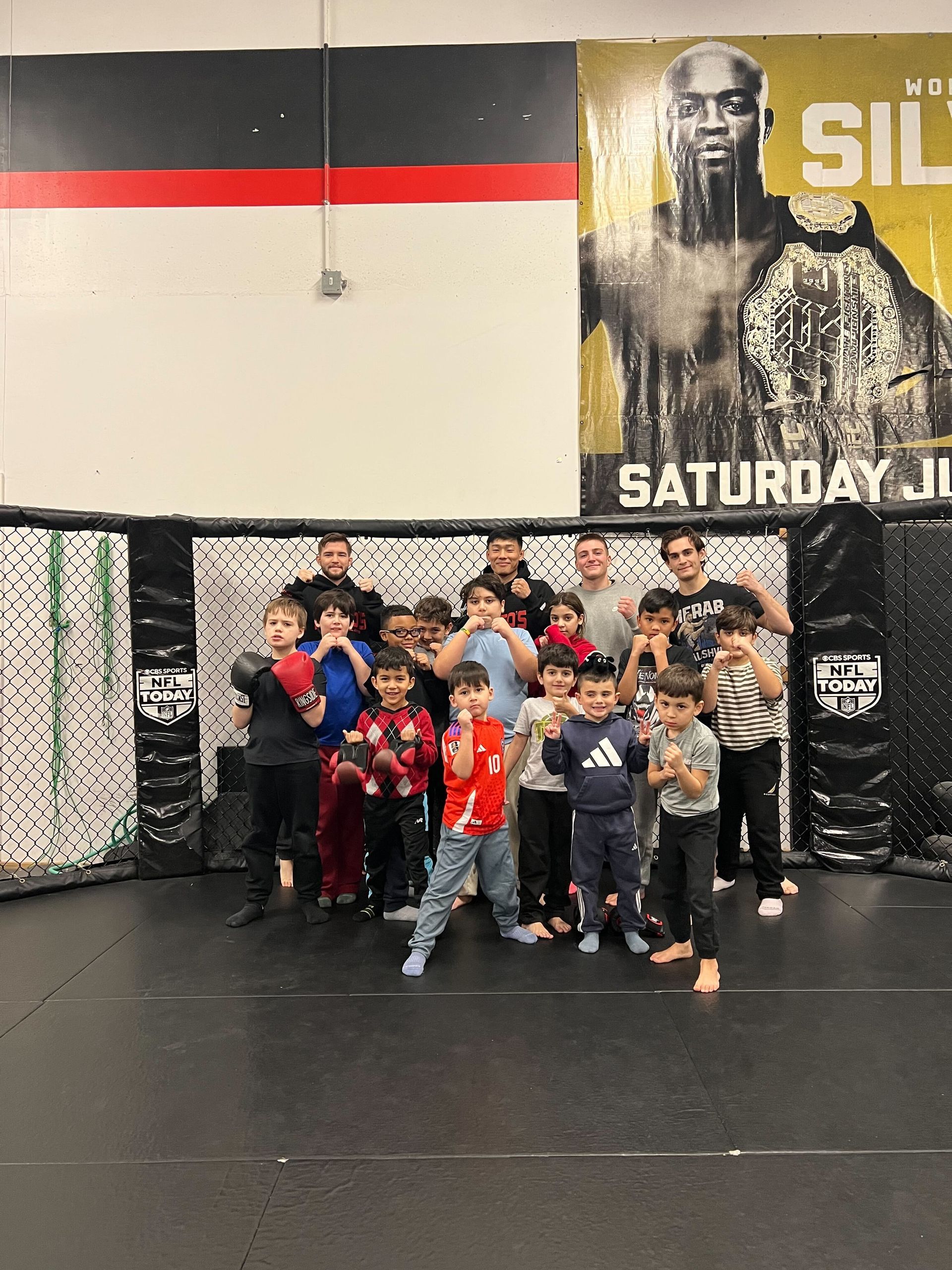
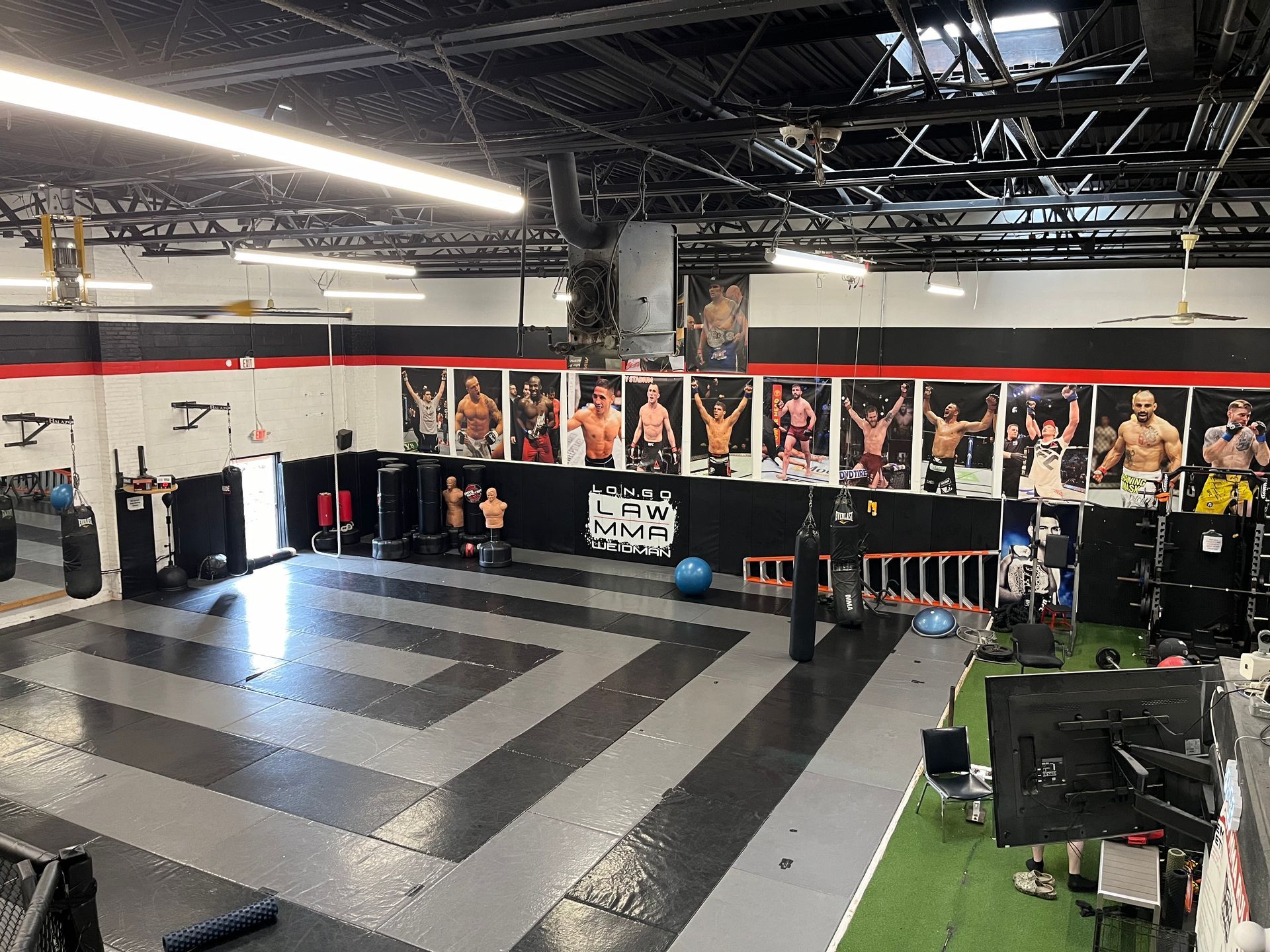
When you are ready, Ray Longo's Mixed Martial Arts is here in Garden City with a clear path for beginners and a youth program built around confidence, control, and real skill development that holds up over time.
* Turn what you learned here into real progress on the mats at Ray Longo's Mixed Martial Arts.