

From Couch to Cage: Your Step-by-Step Guide to Adult MMA Training
Adult MMA is not about proving you are tough, it is about building skills safely, one class at a time.
If you have ever searched Adult MMA and then talked yourself out of it, you are not alone. Most adults are not worried about learning a jab or a takedown first. You are usually thinking about the practical stuff: Will you be the only beginner, do you need to be in shape already, and is everyone going to want to spar like it is fight night?
Our answer is simple: you can start where you are. Adult MMA is one of the most flexible ways to train because it blends striking and grappling, but it can be scaled for real life. You can train for fitness, confidence, self defense, or competition, and the path does not have to look the same for everyone.
In Garden City, busy schedules are normal, so we design training to be progressive and sustainable. The goal is not to survive a workout. The goal is to learn real skills, improve conditioning over time, and walk out of class feeling like you built something you can return to.
What Adult MMA actually includes
Adult MMA is not one single martial art. It is an integrated training approach that pulls from multiple disciplines and teaches you how to connect them. That integration is what makes it useful, and also what makes the beginner experience feel more structured than people expect.
Here is what a well rounded Adult MMA program typically trains:
• Striking fundamentals from boxing, kickboxing, and Muay Thai, including distance, timing, defense, and combinations
• Grappling fundamentals from wrestling and Brazilian Jiu-Jitsu, including takedowns, control, escapes, and submissions
• Transitions between ranges, so you can move safely from striking to clinch to takedown to the ground
• Conditioning that supports MMA movement, meaning strength, endurance, balance, agility, and recovery habits
If you are new, that might sound like a lot. In practice, we layer it. You learn one piece, then you repeat it enough times that your body understands it, then we connect it to the next piece.
Why adults in Garden City choose MMA training
Some people come in because they miss competing in a sport. Some people want a better way to train than another treadmill session. Others want practical self defense skills that feel more real than memorizing a long sequence. And plenty of adults show up because they need a consistent outlet after work.
Adult MMA in Garden City works well for those motivations because it gives you variety without chaos. One week you might focus more on footwork and hands. Another week you might spend time on takedown defense or positional control. You are always learning, and you are also getting fitter without having to chase random workouts.
One important note: training MMA and fighting in a cage are not the same thing. The cage is optional. The training is the value.
Step 1: Pick your goal, because it shapes your path
Before you worry about gear or how fast you can run, decide what you want from training. You can change your mind later, but starting with a clear target makes the early weeks less confusing.
Common goals we help adults build around include fitness, self defense, stress relief, skill development, and competition preparation. If your goal is fitness, we keep technique clean and conditioning progressive. If your goal is self defense, we emphasize awareness, position, control, and making smart decisions under pressure. If your goal is competition, we build a coach guided plan that earns intensity over time.
This matters because Adult MMA is broad. Your goal helps us aim your training instead of trying to do everything at once.
Step 2: MMA versus boxing, kickboxing, wrestling, and BJJ
A lot of beginners ask where to start. The good news is we offer MMA alongside boxing, kickboxing, Muay Thai, wrestling, and both Gi and No Gi Brazilian Jiu-Jitsu, so you are not locked into a single lane.
Here is a simple way to choose your starting emphasis:
• Choose MMA if you want the full blend of striking, clinch work, takedowns, and ground skills
• Choose boxing if you want to sharpen hands, head movement, footwork, and cardio fast
• Choose kickboxing or Muay Thai if you want kicks, knees, and clinch striking skills added in
• Choose wrestling if you want strong takedowns, balance, pressure, and scrambling
• Choose BJJ if you want ground control, escapes, and submissions with a technical pace
Many adults mix two tracks, like MMA plus BJJ, or boxing plus MMA. That combination style training is often what makes MMA Garden City routines stick, because it stays interesting and it stays useful.
Step 3: What to do before your first class
The easiest first step is to check the class schedule page and confirm which Adult MMA session fits your week. We recommend arriving a little early, because it takes pressure off. Rushing into a new environment is never fun, even if you are excited.
A few practical tips help your first day go smoothly. Bring water, wear comfortable athletic clothing, and remove jewelry. If you have old injuries or limits, tell us upfront. That is not awkward, it is helpful. Also, avoid showing up right after a heavy meal. MMA warm ups have a way of reminding you what you ate.
If you are nervous, that is normal too. Most adults are. Once class starts, you will have something to focus on, and the nerves usually fade quickly.
Step 4: Your first 30 days of Adult MMA, week by week
Beginners often want to know what progress looks like. Instead of promising a specific transformation, we prefer a realistic roadmap. You will feel changes early, but skill is built by repetition.
Week 1: Movement, safety, and basic positions
Your first week is about learning how we run class and how to move with control. We focus on stance, base, posture, breathing, and simple defensive positions. On the grappling side, you start learning what it means to keep balance, protect your neck, and understand top versus bottom positions.
You might leave class sore in surprising places. That is normal. It is your body adapting to new movement patterns.
Week 2: Striking basics and distance control
In week two, we usually build more striking structure. That means learning a clean jab and cross, how to keep your guard, and how to manage distance so you are not leaning or reaching. Pad work becomes a big learning tool because it gives you feedback right away.
This is also where cardio starts to improve. Not because you are doing random sprints, but because the rounds teach you how to work, breathe, and recover.
Week 3: Grappling fundamentals and simple escapes
Now the grappling pieces get clearer. You learn how to frame, shrimp, stand back up safely, and escape basic pins. This is where Brazilian Jiu-Jitsu and wrestling concepts start to feel practical, not abstract.
You will also learn an important adult lesson: escaping is tiring at first. Then it gets smarter. Technique saves energy.
Week 4: Putting ranges together with controlled partner drills
By week four, the goal is smoother transitions. You might drill entries into clinch positions, practice simple takedown setups, or work from the ground back to standing. Partner work stays controlled. We care about learning pace, not ego pace.
This is where Adult MMA starts to feel like a system instead of separate classes glued together.
Step 5: Partner training without the chaos
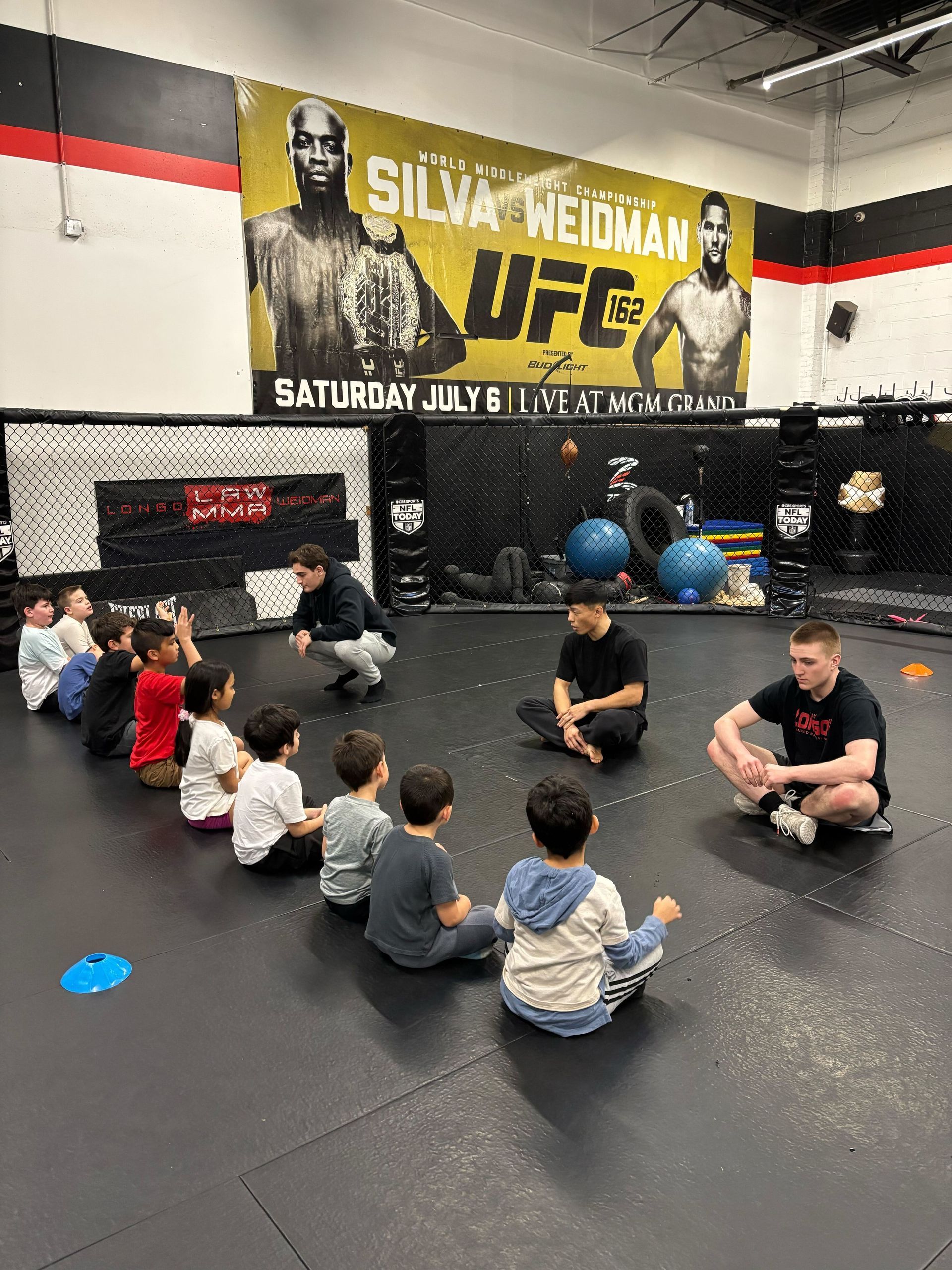
A lot of people assume MMA training means constant hard sparring. In reality, most skill is built through coached drilling and controlled rounds. Partner training teaches you timing, balance, and decision making, but it only works if both people respect the process.
We match partners carefully and set expectations clearly. You should feel challenged, but you should also feel safe enough to learn. If something feels too intense, you can say it. That is part of being a good training partner.
Step 6: Conditioning that supports real MMA skills
Conditioning matters, but it should not hijack your technique. We build work capacity gradually so your joints, muscles, and recovery can keep up. For adults with jobs and families, recovery is not a luxury. It is part of the plan.
A smart approach is starting with two or three sessions per week, then adding volume when soreness drops and technique feels more natural. If you try to train like a full time athlete on week one, your body will usually vote no.
Sleep, hydration, and basic mobility work also make a difference. It is not glamorous, but it is real.
Step 7: When sparring makes sense, and how we keep it responsible
Supervised sparring is valuable, but it should be earned through control and coach approval. We prefer that you demonstrate basic defense, composure, and respect for partners before intensity goes up. Think of sparring as a skill building tool, not a toughness test.
Protective equipment, clear rules, and appropriate pacing reduce risk. MMA is a contact sport, so we will never pretend it is risk free. What we can do is build a culture where people train for the long term and communicate early when something hurts.
Step 8: Competition is optional, and it is a separate track
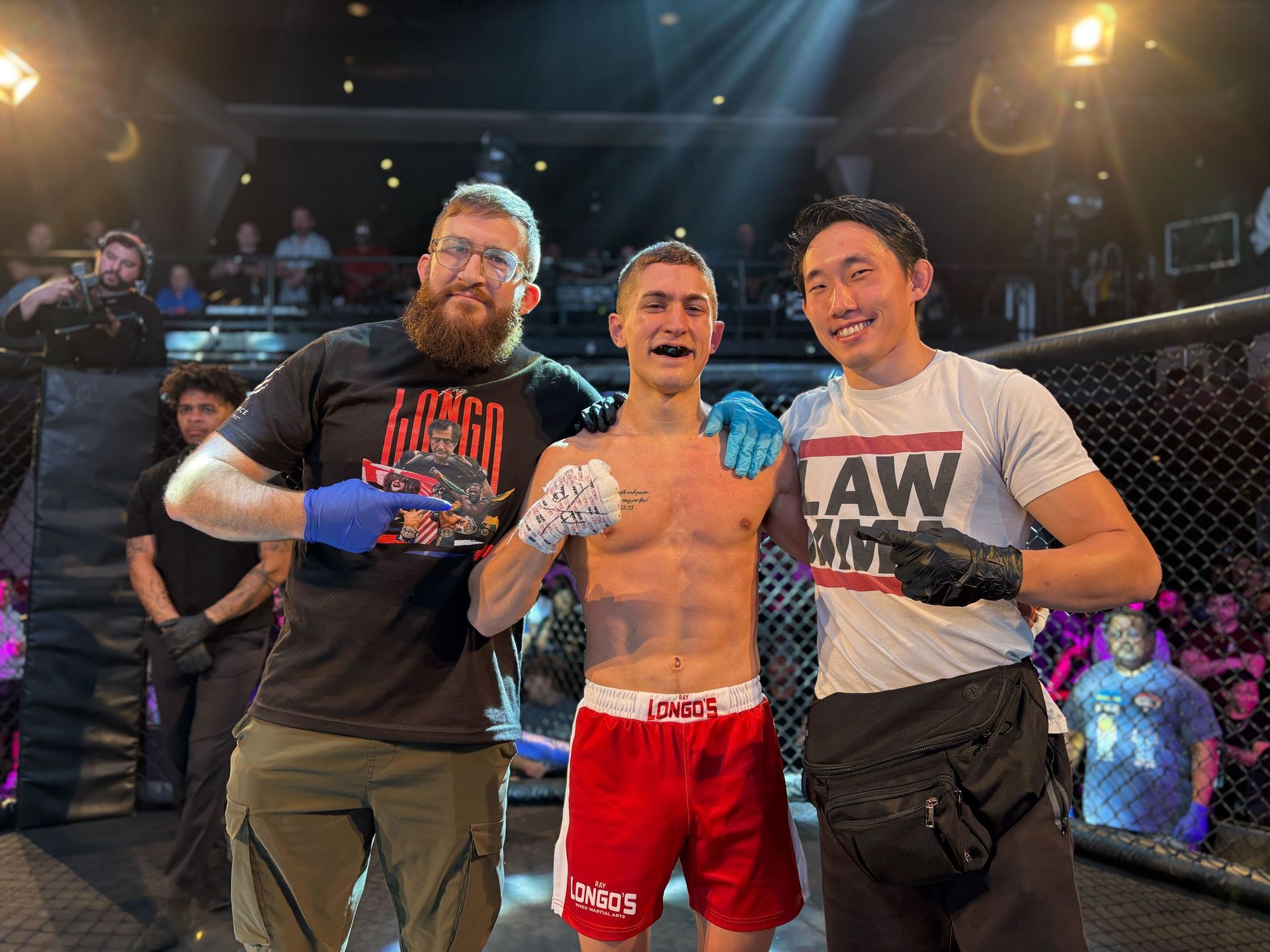
Some adults want to compete, and we respect that. Competition can be a powerful goal, but it should be a choice, not an assumption. Training Adult MMA for fitness and confidence is just as legitimate as preparing for an amateur bout.
If you decide you want to compete, we guide you into a more specific camp style structure: more focused rounds, sharper conditioning, and a clear plan. If you never want to compete, you can still learn the full game, including striking, grappling, and transitions, with intensity that fits your life.
Safety, etiquette, and the partner code
MMA training runs best when everyone follows a few simple rules. These are not complicated, but they matter more than most beginners realize.
1. Show up clean, with clean gear, and use flip flops off the mat
2. Tap early and respect taps instantly, no questions asked
3. Match your partner’s intensity and follow the coach’s pace
4. Ask for help when you are unsure, because confusion leads to sloppy movement
5. Report pain early and take rest seriously, since small issues can become big ones
Good etiquette is not about being polite. It is about keeping the room safe so you can train consistently.
Common questions about Adult MMA in Garden City
Do I need prior experience?
No. We teach beginners from the ground up. The first classes are fundamentals focused, and we do not expect you to walk in knowing terminology or techniques.
Do I need to be in shape first?
No. You build conditioning through training. We scale intensity, encourage breaks when needed, and focus on technique so you improve without burning out.
Will I have to spar on day one?
In most cases, no. Early sessions prioritize instruction, drills, and controlled partner work. When sparring is introduced, it is supervised and based on readiness.
What should I wear and bring?
Start simple: athletic clothing, water, and a willingness to learn. We will tell you when protective equipment like a mouthguard is appropriate, and what else you may want as you progress.
Can older adults start MMA?
Yes. We do not put an arbitrary age limit on training. We adjust intensity, emphasize smart movement, and encourage you to share any medical concerns so we can guide you appropriately.
Take the Next Step
If you are ready to try Adult MMA in a structured, beginner friendly way, we can help you build a plan that fits your goals and your schedule in Garden City. The real win is not a dramatic first day. It is showing up consistently, learning the fundamentals correctly, and realizing a few weeks in that you are moving better than you thought you could.
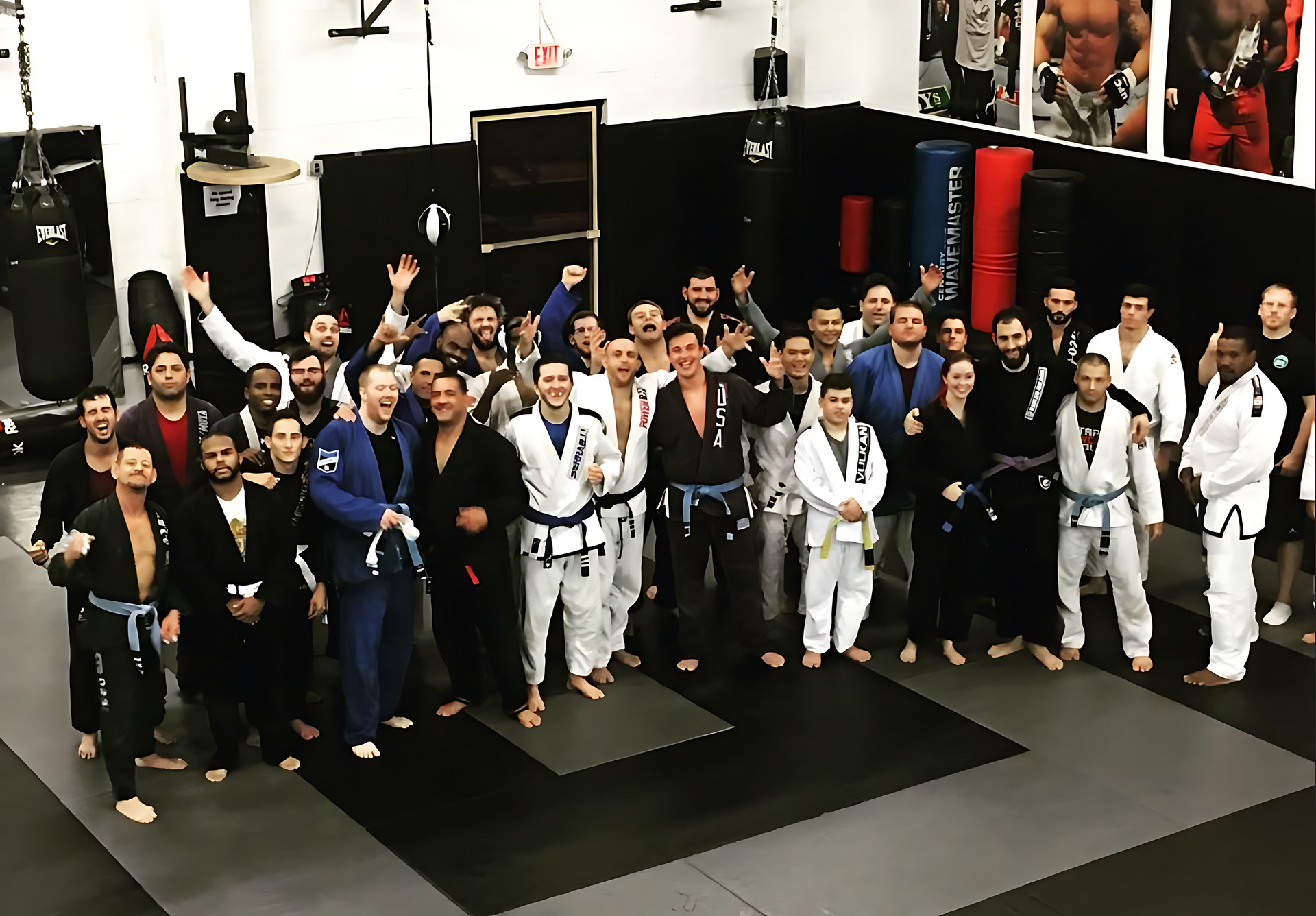
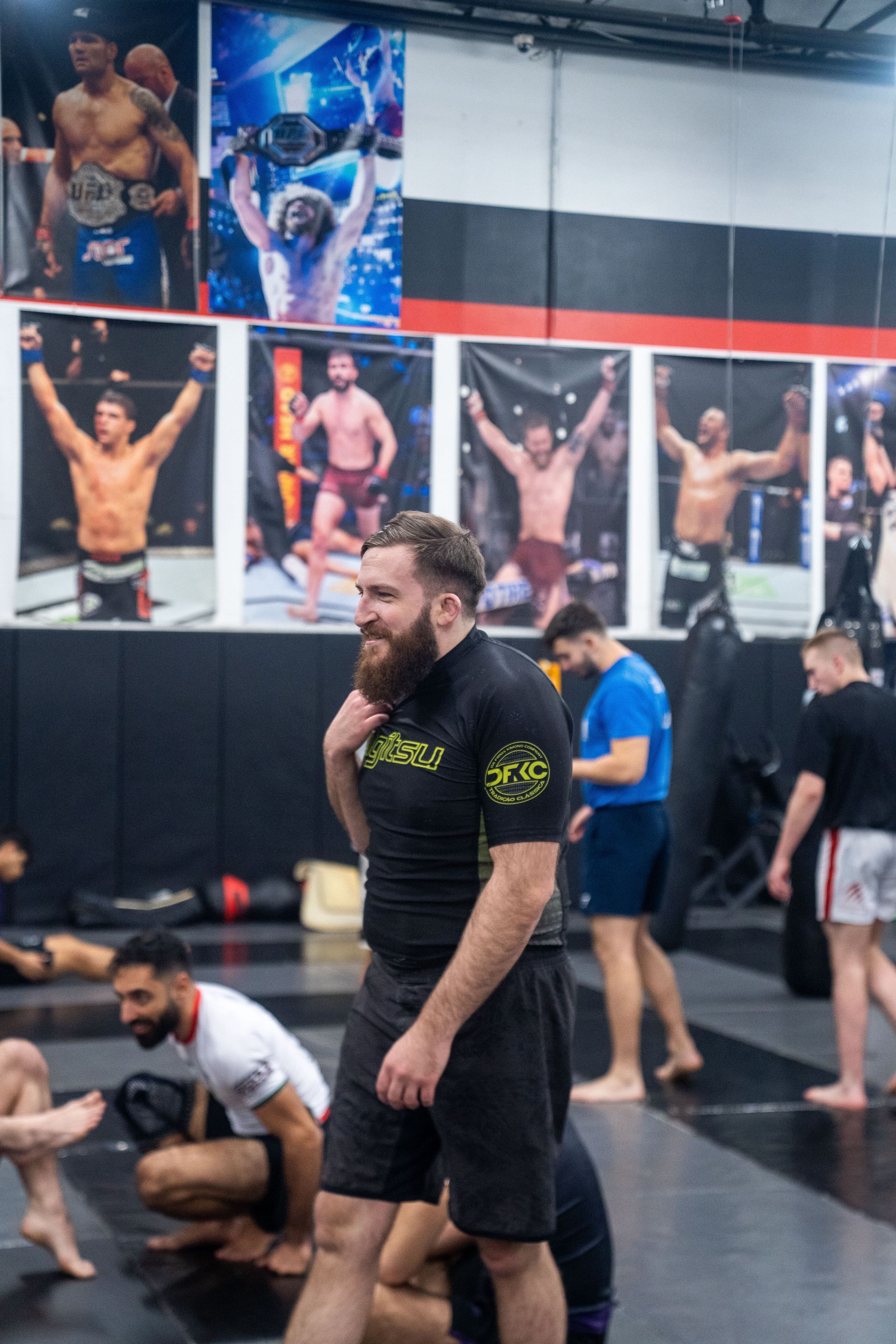
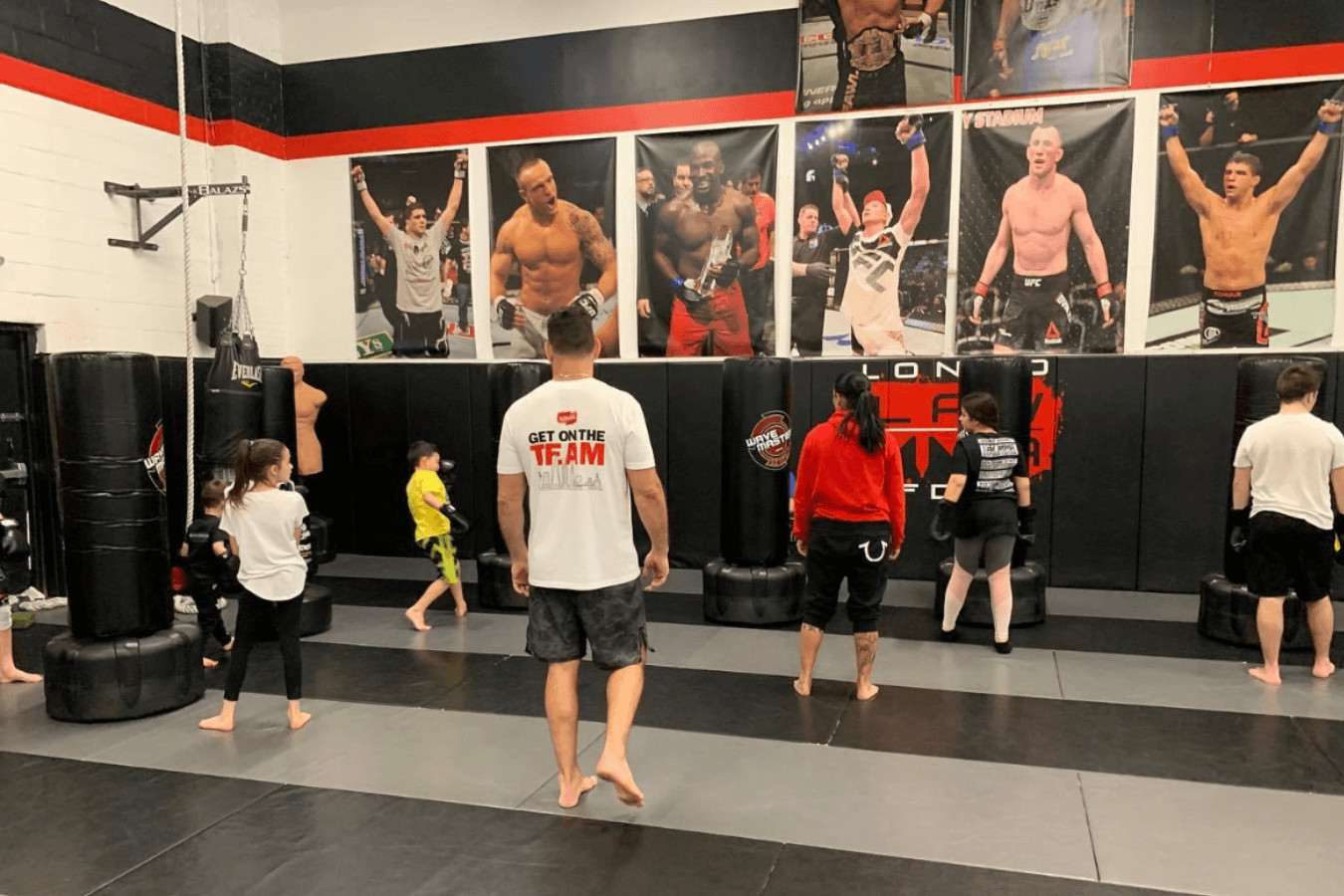
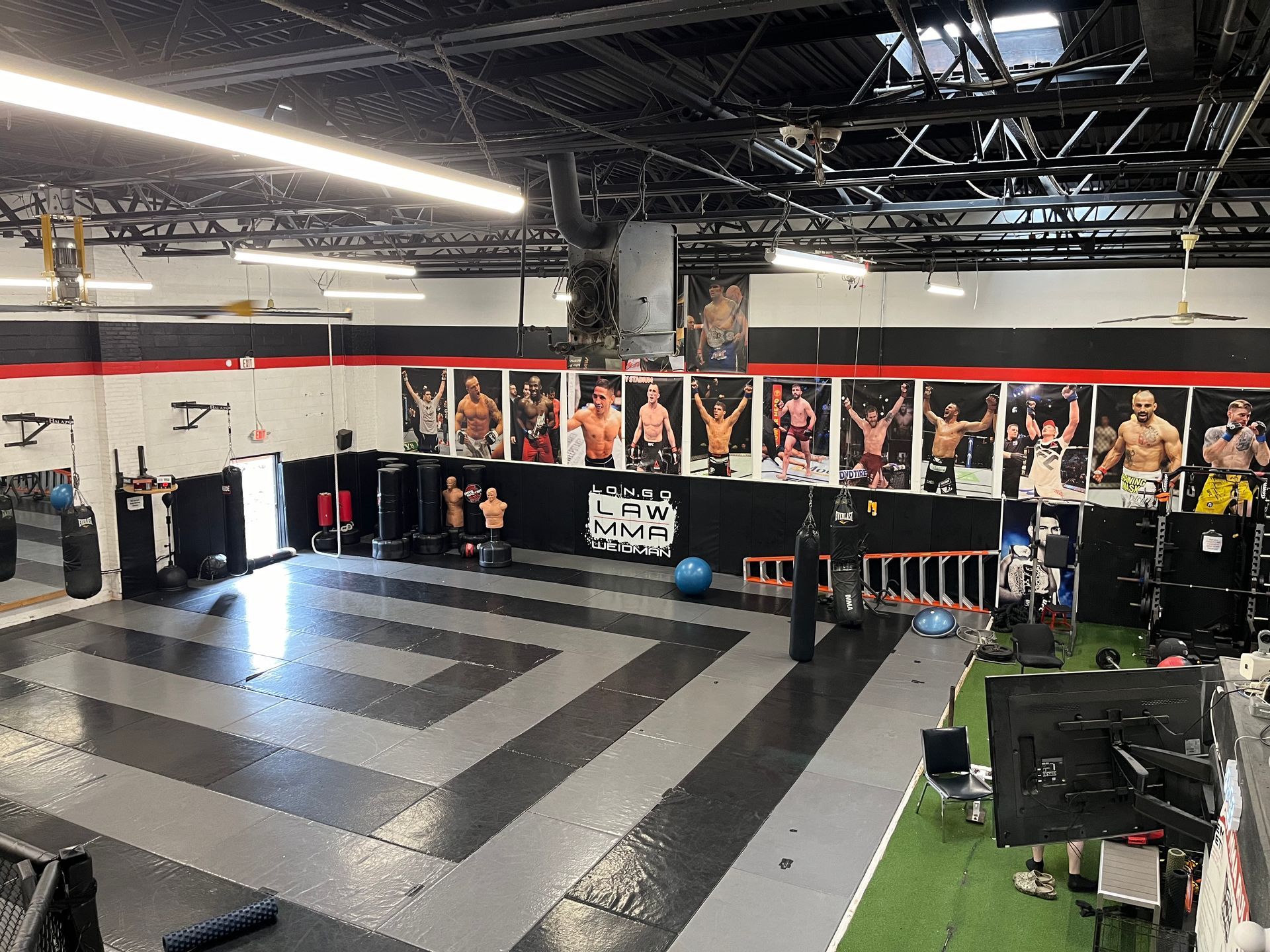
We built our programs at Ray Longo's Mixed Martial Arts to support beginners, hobbyists, and competitive athletes under one roof, with striking, grappling, and conditioning that connect into a complete game. If you want to train hard, we will train hard. If you want to train smart and steady, we will do that too, and we will keep you progressing.
Move from reading to action and join a free Brazilian Jiu-Jitsu class at Ray Longo’s Mixed Martial Arts today.