

How Youth Brazilian Jiu-Jitsu Nurtures Teamwork Skills in Garden City Kids
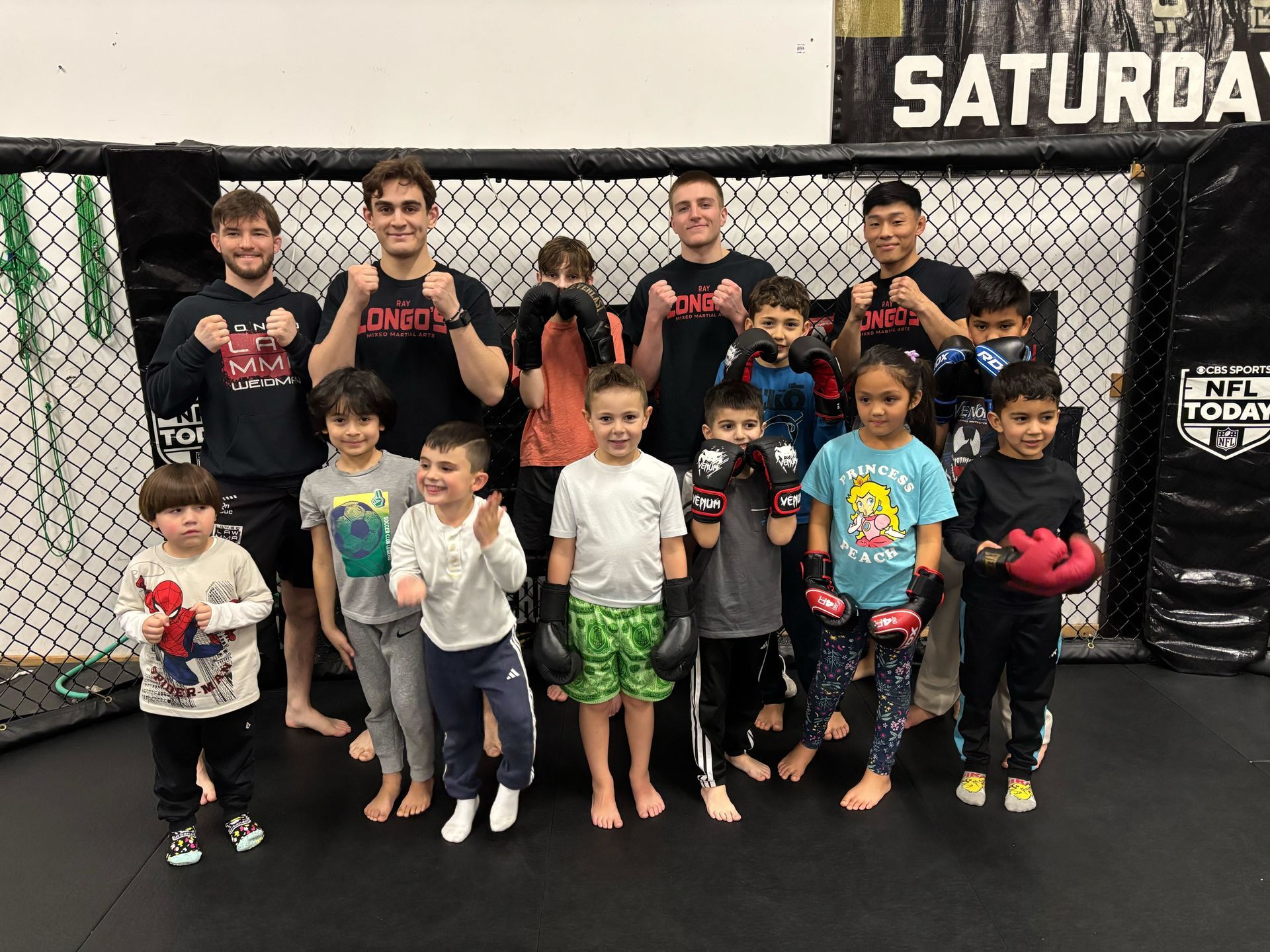
Youth Brazilian Jiu-Jitsu turns “work well with others” into a skill your child can practice every class.
Parents in Garden City tell us the same thing in different ways: you want an activity that gets your child moving, helps with confidence, and teaches better social habits without turning into another stressful competition. Youth Brazilian Jiu-Jitsu checks those boxes in a surprisingly practical way, because every class is built around cooperation, communication, and shared responsibility.
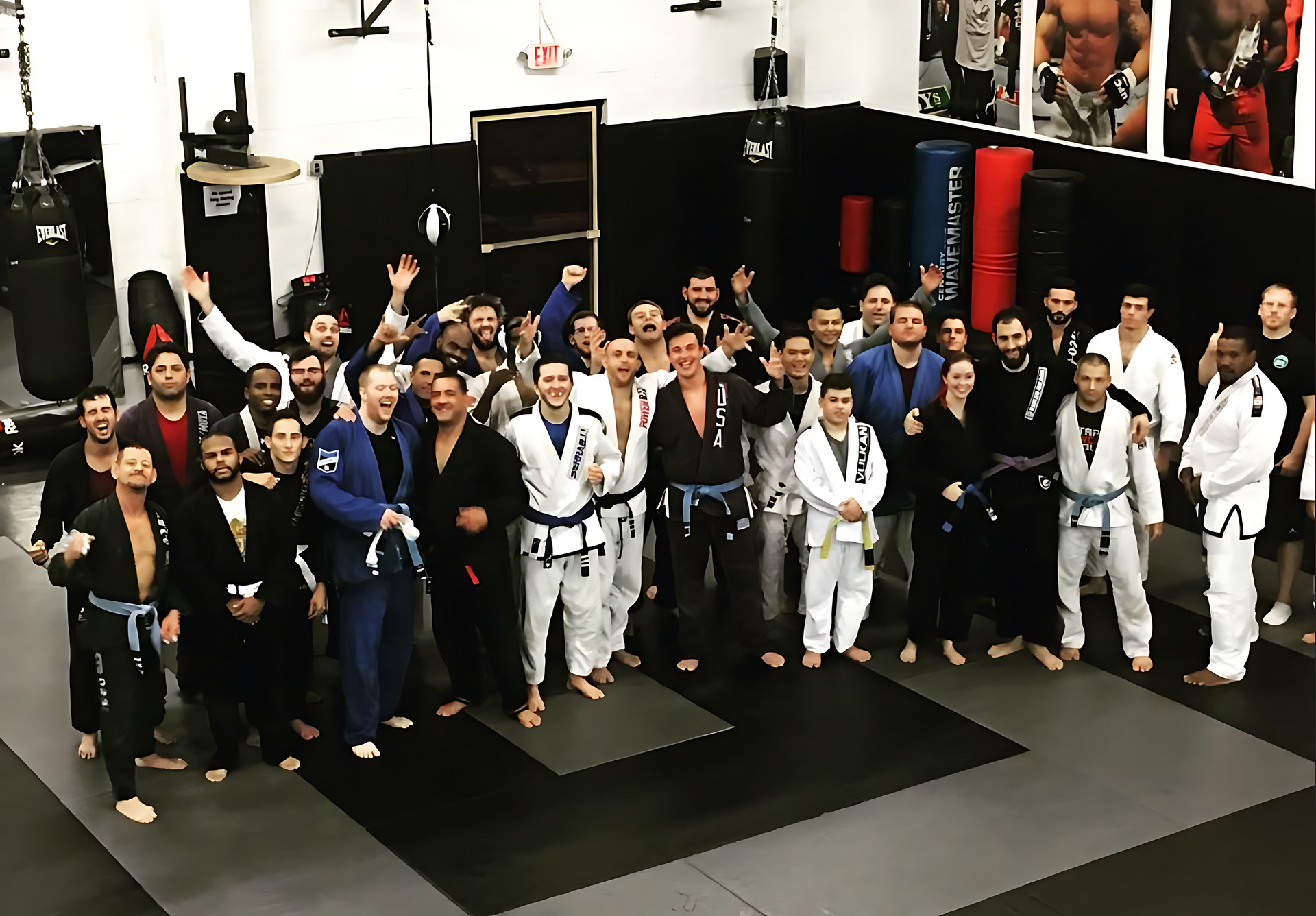
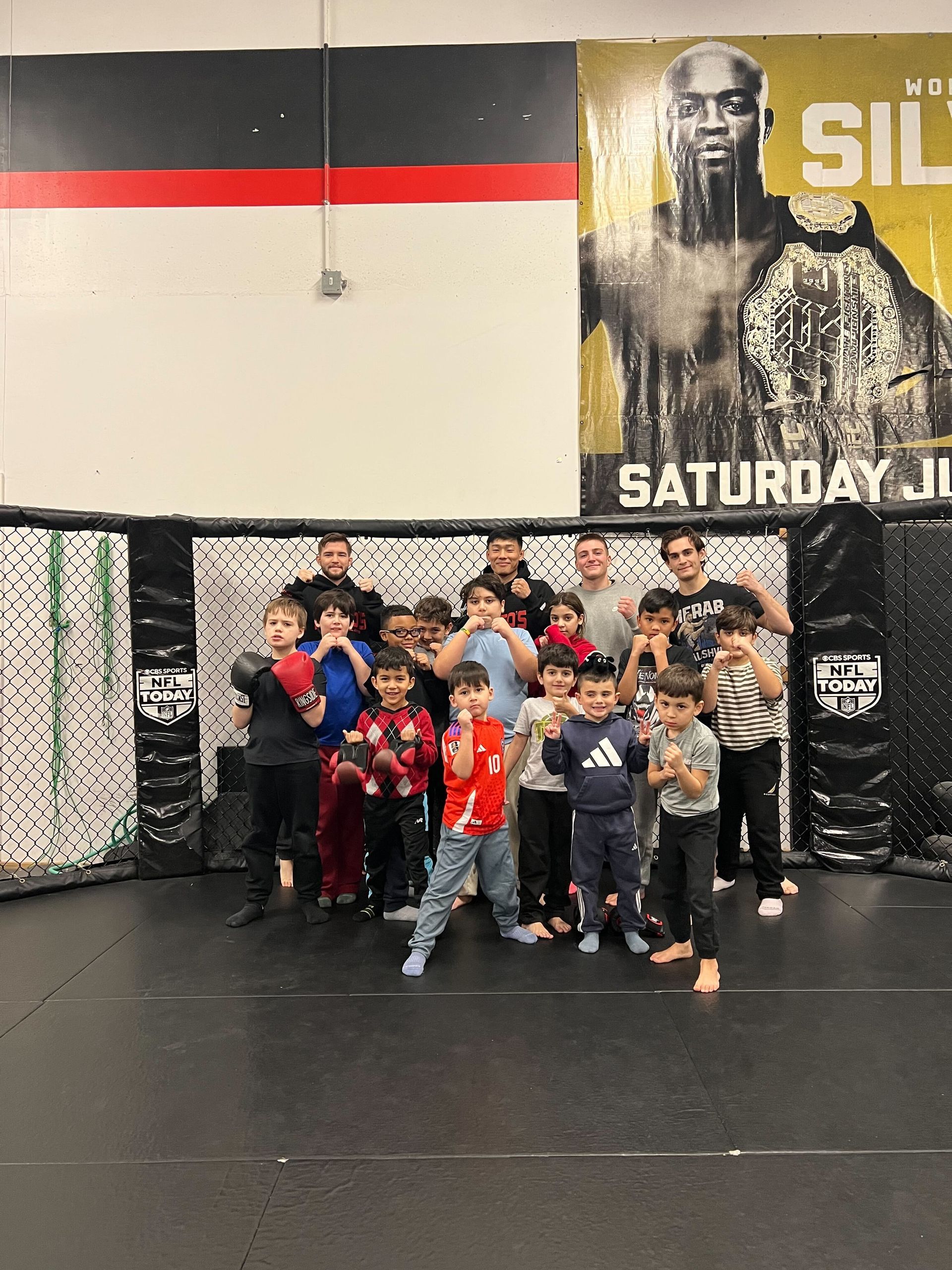
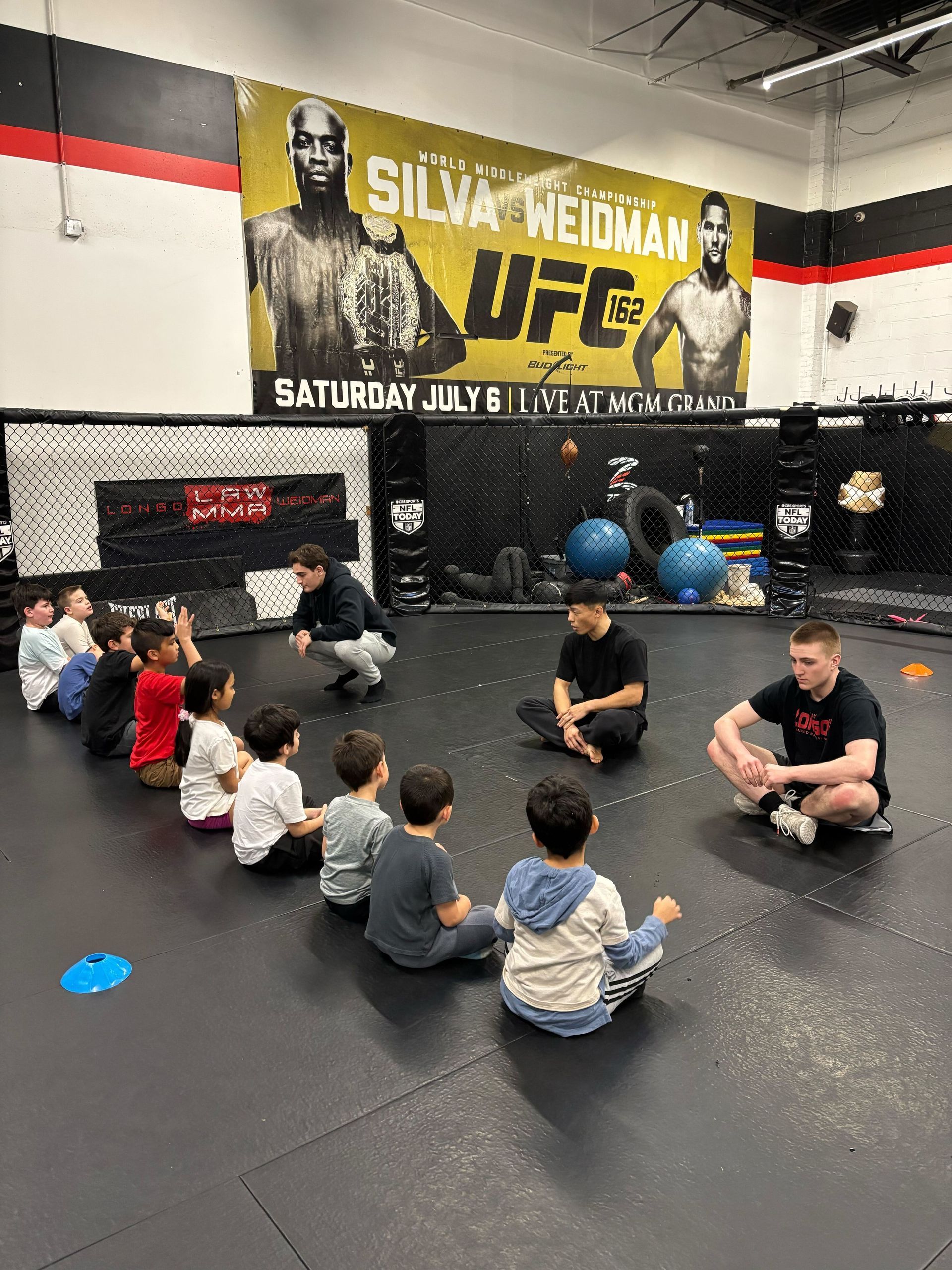
Even though Brazilian Jiu-Jitsu is often viewed as an individual martial art, our kids rarely train alone. Youth Brazilian Jiu-Jitsu works through partner drills, coached teamwork, and safe, structured rounds where kids learn to solve problems together. Over time, those “mat habits” show up in everyday life: listening better, handling frustration, taking turns, and speaking up respectfully.
Garden City is full of active families and busy school schedules, so we also see a real need for after-school structure. A consistent training routine becomes a healthy alternative to extra screen time and a place where kids can belong, contribute, and build friendships that feel natural, not forced.
Why teamwork matters for Garden City kids right now
Teamwork is not just about group projects. For kids, it shows up in small moments: joining a new club, navigating recess, taking coaching in sports, or even getting through homework without a meltdown. In Nassau County, where schedules fill up fast, kids can end up socializing mostly in short bursts between activities. That is one reason families look for programs that create steady peer interaction in a positive setting.
In Youth Brazilian Jiu-Jitsu, teamwork is baked in. Your child cannot learn a technique well without a partner who is also trying, paying attention, and communicating. That makes cooperation feel normal. It also helps kids who are still figuring out confidence, because they do not need to be the loudest person in the room to contribute.
We also keep expectations clear. Kids do best when rules are consistent and coaching is calm and specific. That combination supports focus, self-control, and respectful behavior, which is exactly what most parents want to see carry over into school and home.
Teamwork in an “individual” sport: what kids actually practice
Brazilian Jiu-Jitsu looks like one person versus another, but training is more like two teammates working on the same puzzle from different angles. When we teach Youth Brazilian Jiu-Jitsu, we are coaching two roles at once: the child performing the movement and the child helping their partner succeed safely.
That shared responsibility is where teamwork develops. Kids learn that a good partner is not passive. A good partner gives the right level of resistance, pays attention to spacing, and communicates clearly. Over time, kids stop thinking “I’m just here for me” and start thinking “I’m part of what makes this class work.”
In practice, that shows up in three big ways.
Partner drilling builds cooperation and patience
Most skill-building happens through drilling: repeating a movement with a partner so it becomes familiar. Kids learn quickly that drilling only works when both people stay engaged. If one child rushes, the technique gets sloppy. If one child tunes out, nobody improves.
We coach kids to slow down, reset, and try again. That simple process teaches patience and problem-solving with another person involved, which is a different skill than practicing alone at home.
Rotating partners teaches adaptability and respect
Kids do not always get to work with their best friend. Rotating partners is part of our structure because it helps children learn to cooperate with different personalities, sizes, and learning styles. That matters for real life in Garden City classrooms where group assignments are rarely “choose your favorite people.”
As kids rotate, we emphasize respectful greetings, listening to instructions together, and being the kind of teammate who helps the other person feel welcome.
Safe communication becomes a habit
In Brazilian Jiu-Jitsu, communication is not optional. Kids must learn to speak up if something feels uncomfortable, to listen if a partner says “slow down,” and to follow safety rules without argument. That is teamwork with real consequences, but in a controlled environment where we can coach it in the moment.
For many kids, learning to say a clear “stop” or “too tight” respectfully is a confidence milestone. It is also a life skill.
The mechanics of teamwork on the mat (what we coach, step by step)
Parents sometimes ask how, exactly, Brazilian Jiu-Jitsu teaches teamwork instead of just hoping it happens. We do not leave it to chance. We coach teamwork behaviors the same way we coach technique: by naming the skill, modeling it, and reinforcing it consistently.
Here are a few teamwork skills your child practices in Youth Brazilian Jiu-Jitsu classes, often without even noticing it at first:
• Turn-taking under pressure: Kids learn to switch roles, repeat reps, and give partners equal practice time even when they feel excited or impatient.
• Clear, respectful feedback: We encourage simple, helpful communication like “Try your foot here” or “Let’s go slower,” instead of blaming or teasing.
• Shared problem-solving: When a technique is not working, kids learn to troubleshoot together rather than quitting or getting frustrated.
• Responsibility for safety: Students learn that being a good teammate means controlling their movement, watching spacing, and following the tapping rules every time.
• Encouragement and inclusion: We build a culture where kids notice effort, not just outcomes, and where newer students feel supported rather than singled out.
These habits add up. Teamwork is not one big lesson. It is dozens of small reps, week after week.
Confidence without aggression: what self-defense looks like for kids
Another common concern is whether self-defense training makes kids more aggressive. Our experience is that the opposite is more typical when the program is structured well. Youth Brazilian Jiu-Jitsu gives kids a way to feel capable, and that reduces the need to prove something.
We also set the tone early: training is for learning, not for bullying. The rules are consistent, and respect is non-negotiable. Kids learn that control is the goal, and that real skill looks calm.
Because Brazilian Jiu-Jitsu is heavily based on leverage and positioning, kids also learn that “bigger” is not the same as “better.” That reduces intimidation and helps kids focus on technique, cooperation, and discipline.
Why Youth Brazilian Jiu-Jitsu is especially good for shy or nervous kids
Shy kids often struggle in activities that demand instant performance, like being put on the spot in front of a whole group. Youth Brazilian Jiu-Jitsu tends to be more comfortable because progress happens through partner work and repeat practice, not constant public attention.
We see shy kids open up in small, steady ways: making eye contact with a partner, asking a question, or volunteering to demonstrate once they feel ready. Those are real wins. The mat gives them a script for interaction. They already know what to do: greet, drill, switch, reset, and thank your partner. That structure reduces social pressure.
Nervous kids also benefit from learning how to stay calm while their heart rate is up. That is a form of resilience. They discover that they can feel uncomfortable and still make good decisions, which is a powerful lesson for school, sports, and social situations.
What age can kids start, and what beginners should expect
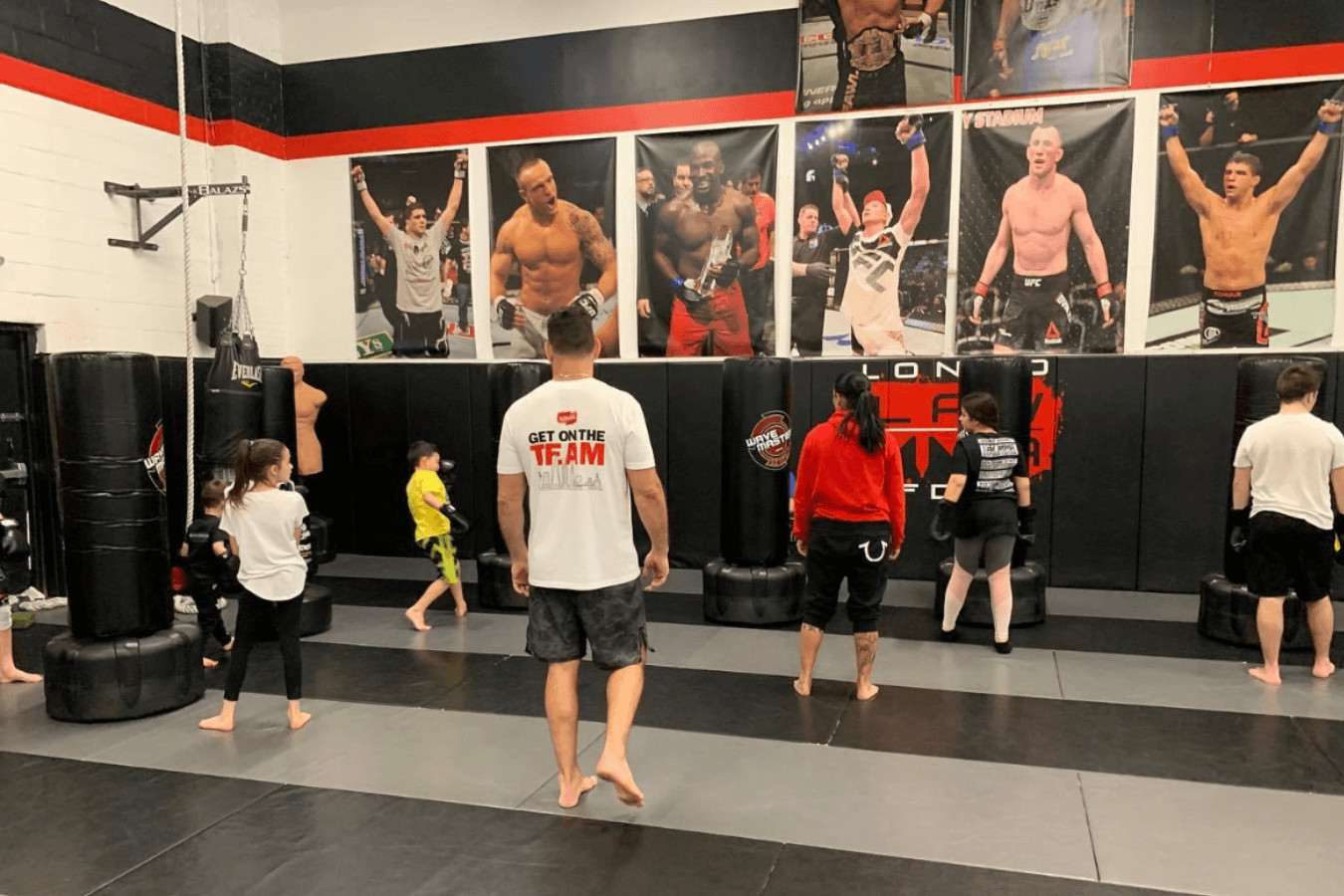
Most kids can start Youth Brazilian Jiu-Jitsu when they can follow basic directions, participate safely with a partner, and handle a structured class. In our youth program, we group kids by age and experience so beginners are not thrown into advanced material too soon.
If your child has no athletic background, that is fine. We teach movement fundamentals along the way: balance, posture, coordination, and body awareness. Those “basic” skills help with everything else your child does, from playground confidence to other sports.
A typical beginner-friendly class includes a warm-up, technique instruction, partner drilling, and controlled training games that reinforce the lesson. Kids stay active, but we keep the environment organized so it does not feel chaotic.
How often should your child train to see teamwork benefits?
Consistency matters more than intensity. Many families start with one to two classes per week and build from there based on interest and schedule. Teamwork skills develop through repetition: practicing communication, taking coaching, and working with different partners over time.
If your child trains sporadically, it is harder to build momentum socially. If your child trains consistently, friendships form naturally because kids see the same teammates regularly and share the same learning process.
If you are balancing homework, sports seasons, and family time, we recommend choosing a realistic weekly rhythm first, then adjusting once your child feels settled.
What to look for in a safe kids’ Brazilian Jiu-Jitsu program
Safety is a teamwork issue, too. A good kids’ program teaches students to protect their partners as part of the culture, not just as a rule posted on the wall. We keep classes supervised, structured, and age-appropriate, with clear expectations around control.
Here is what we encourage you to prioritize when you are thinking about safety and quality in Brazilian Jiu-Jitsu Garden City training:
1. Clear coaching and consistent rules: Kids should know exactly what is allowed, what is not, and why.
2. Strong partner management: Pairings, rotations, and contact levels should be guided, not random.
3. Emphasis on tapping and stopping immediately: Kids must learn to respect the tap every single time.
4. Clean, organized training space: A tidy mat and structured class flow reduce accidents and distractions.
5. Progressions that match maturity: Techniques and training intensity should align with age and experience.
When these pieces are in place, Youth Brazilian Jiu-Jitsu becomes a safe, positive outlet where kids can grow socially and physically.
What kids wear and bring to class (simple and parent-friendly)
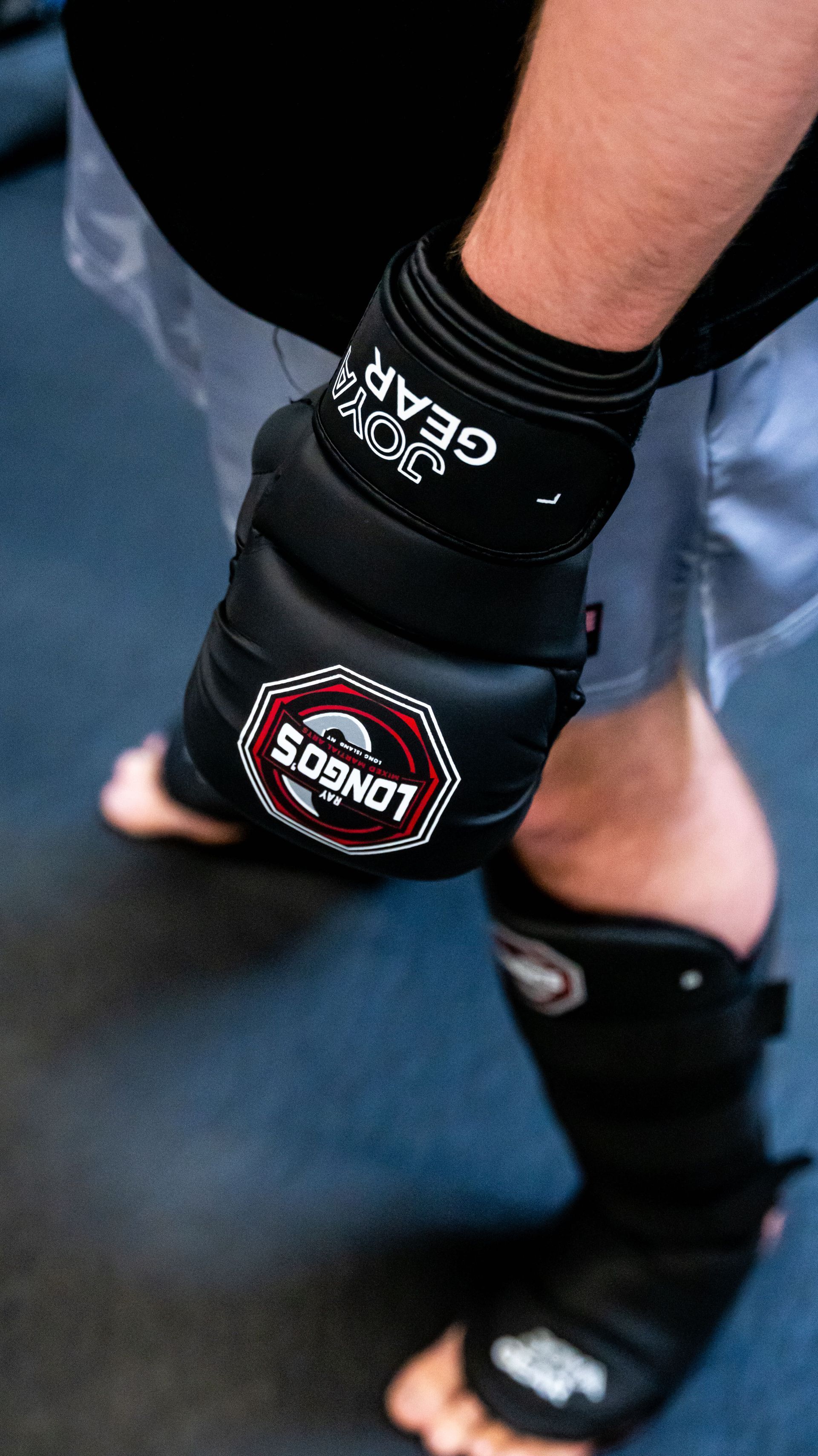
If you are new to BJJ, the gear question comes up quickly. For Youth Brazilian Jiu-Jitsu, kids typically train in a gi or in no-gi athletic wear depending on the class format. We keep guidance simple so you are not overthinking it on day one.
In general, we recommend comfortable training clothing that allows movement, a water bottle, and a readiness to learn. If you have questions about what your child should wear for the first class, our team can point you in the right direction so you feel prepared.
How teamwork on the mat shows up at school and at home
Parents often notice changes outside the gym before kids can explain what they learned. That is because teamwork skills are behavioral, not theoretical.
We see kids start to:
• Listen to instructions without needing multiple reminders
• Handle small frustrations without quitting immediately
• Use calmer words during disagreements
• Show better sportsmanship when they lose
• Take pride in helping someone newer learn the basics
Those improvements matter in the daily rhythm of Garden City life: smoother mornings, better classroom behavior, and more confidence in social settings. Youth Brazilian Jiu-Jitsu Garden City families often describe it as “structured energy” for kids who need a positive place to put their drive.
Take the Next Step
If you want an activity that builds fitness and real social growth, Youth Brazilian Jiu-Jitsu is one of the most practical options we teach because teamwork is part of every drill, every round, and every reset. You are not just enrolling your child in a martial art. You are giving your child a place to practice communication, respect, and resilience with peers.
Our youth program at Ray Longo's Mixed Martial Arts is designed to help Garden City kids feel confident on the mat and cooperative off it, with coaching that stays safe, structured, and age-appropriate from day one.
Ready to put your skills into practice? Start training at Ray Longo's Mixed Martial Arts.