

Mixed Martial Arts for Beginners: Essential Skills to Start Strong
You do not need experience to start, but you do need a smart plan that builds real skill without rushing the hard stuff.
Mixed Martial Arts has exploded in popularity because it solves a problem a lot of adults face: you want training that is practical, challenging, and actually fun to stick with. Beginners around Garden City come in for all kinds of reasons, too, not just to fight. Some want fitness that feels purposeful. Some want real self defense skills. Others just want to learn what all the hype is about and finally try it.
Our job is to make your first weeks simple, structured, and safe. We take fundamentals seriously because fundamentals are what keep you improving when you are tired, stressed, or unsure of what to do next. That is also why our beginner path is not built around flash. It is built around repeatable essentials you can trust.
If you have been searching martial arts Garden City and wondering what you actually need to learn first, this guide breaks it down into a clear set of skills and a realistic first three months, so you can start strong and stay consistent.
What Mixed Martial Arts really means for beginners
For a beginner, Mixed Martial Arts is not about doing everything at once. It is about learning how the ranges connect and what to do when the situation changes. One moment you are standing at striking distance, the next you are tied up in the clinch, and if the balance breaks you might be on the ground. Our beginner training is designed to make those transitions feel normal instead of chaotic.
We treat MMA as a complete skill set built from a few core pillars:
• Striking basics that teach you to hit with balance, protect yourself, and manage distance
• Clinch and takedown fundamentals that teach you how to stay stable when contact is close
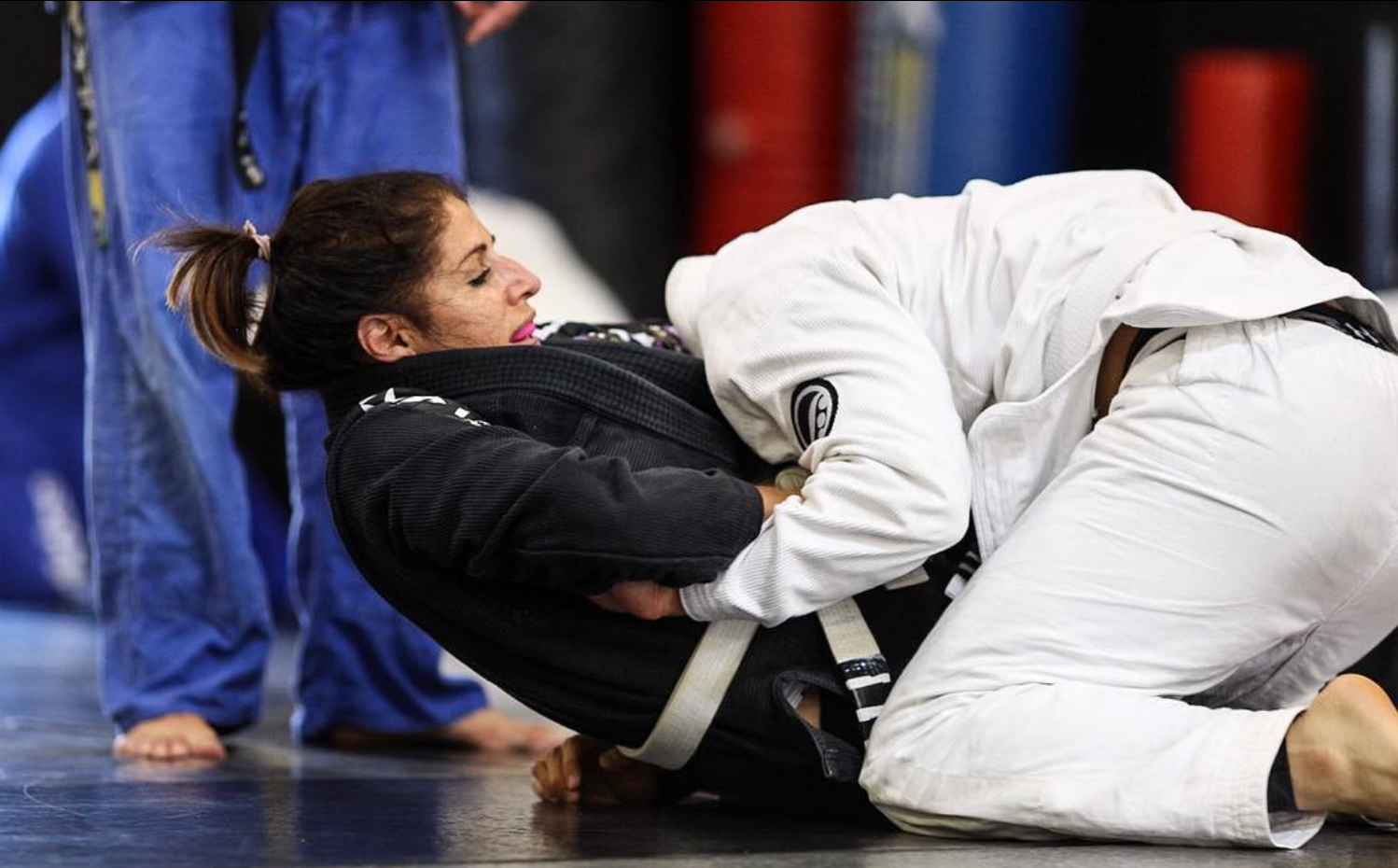
• Ground fundamentals that teach you how to escape, control, and stay calm under pressure
• Conditioning and mobility that support all of the above and help you train consistently
You will hear us come back to one idea over and over: position before submission, and balance before power. That is not just a catchy phrase. It is how beginners avoid bad habits and unnecessary injuries.
The essential skills you want in week one (and why they matter)
A lot of beginners assume the first goal is learning a long list of techniques. In reality, the first goal is learning to move correctly, breathe, and keep your structure. When you do that, the techniques start to make sense fast.
Here are the beginner essentials we prioritize early because they show up everywhere:
• Stance and footwork that let you move without crossing your feet or losing balance
• A reliable guard that protects your head and keeps your shoulders engaged
• Straight punches that teach alignment, hip involvement, and safe wrist position
• Basic escapes on the ground, especially shrimping and bridging, because getting out matters
• How to tap, communicate, and reset so training stays safe and productive
That last point is bigger than people expect. Training is a team effort. If you can communicate clearly and tap early, you can train hard for years.
Striking fundamentals: start with balance, then build power
Most beginners want combinations right away, and we get it. Combinations are fun. But combinations only work if your stance and distance are right. We teach striking as a system: posture, feet, hands, eyes, and timing.
Your base: stance, distance, and getting your hands back
A clean stance does a few things immediately. It keeps your chin protected, helps you breathe, and makes your movement feel less clunky. From there we work on distance management, which is the real secret behind “looking smooth.” If you are too close, you smother your own punches. If you are too far, you reach and get off balance.
We also coach a habit that pays off forever: bring your hands back to position after every strike. Beginners sometimes leave a hand hanging out there, and it feels harmless until a partner touches your open side with a simple counter.
The first strikes that carry the most value
We start with straight punches because they are efficient, accurate, and safer to learn early. You will work the jab and cross with attention to shoulder position, elbow path, and hip rotation, not just swinging your arms. Then we layer in basic kicks once your balance and posture are dependable.
Defense is built in from the beginning. You will learn to keep your eyes up, use your guard, and move your feet instead of leaning away. Leaning feels natural at first, but it breaks your stance, and we would rather help you build habits that hold up under pressure.
Clinch and takedown basics: what to do when space disappears
If striking is about managing space, clinch is about managing contact. Beginners often tense up here, because it feels like you have fewer options. The truth is you have plenty of options, but you need a few core concepts: posture, base, and inside control.
Pummeling, posture, and simple controls
We teach pummeling drills because they build coordination and comfort without needing heavy impact. You learn how to fight for inside position, how to keep your hips under you, and how to avoid being folded or yanked off balance.
From there, we introduce practical takedown entries and defenses at a pace that matches your experience level. Sprawling, framing, and balance recovery are not flashy, but they are essential. A beginner who can sprawl with decent timing and stand back up safely is already building real confidence.
Why beginners should respect the clinch
Clinch work can be surprisingly tiring. It also teaches a kind of calm strength. You start to understand how small adjustments, like head position and shoulder pressure, change everything. That is one of the reasons Mixed Martial Arts is such a complete training method: it develops your body and your awareness at the same time.
Ground fundamentals: how to stay safe, escape, and improve fast
The ground can feel intimidating until you realize it is structured. Positions have rules. Escapes have steps. And once you learn the basics, the panic goes away and you can actually think.
The positions you will meet early
We focus early on the positions you are most likely to land in as a beginner:
• Guard and how to stay safe inside it
• Side control and how to frame, shrimp, and recover position
• Mount and how to bridge and trap an arm to escape
• Back control awareness and how to protect your neck and hips
We coach these with an emphasis on survival first. You will learn where your elbows should go, how to create space, and how to move your hips correctly. It is not glamorous, but the first time you escape cleanly, you will feel that little lightbulb moment.
Submissions: a few high percentage options, taught responsibly
Yes, you will learn submissions. But we introduce them in a way that fits beginner safety and understanding. The key is control and position. You will also learn how to defend, which is honestly what makes people feel comfortable training.
We care a lot about tapping etiquette. Tap early, tap clearly, and release immediately. That is how training stays respectful, productive, and safe.
A realistic 12 week roadmap for starting strong
Beginners do better when expectations are clear. Here is a straightforward look at what your first three months often feel like when you train consistently and focus on basics.
1. Weeks 1 to 4: Build your base
- Stance, footwork, guard, jab cross mechanics
- Intro to clinch posture and pummeling drills
- Ground movement basics like shrimping and bridging
- Light partner drills focused on control, not winning
2. Weeks 5 to 8: Connect the ranges
- Simple punch kick layering and basic combinations
- Intro takedown defense concepts and safe stand ups
- Guard retention basics and a few controlled passes
- Positional rounds that start from specific spots, like side control escapes
3. Weeks 9 to 12: Add pressure, keep it smart
- More timing based drills and controlled stand up exchanges
- Clinch to takedown entries with safety and supervision
- Simple submission chains with clear defense and resets
- Intro to live situations in a controlled format, based on readiness
This is where many people notice the biggest shift. You stop feeling like you are guessing, and you start seeing patterns.
What your first class will feel like
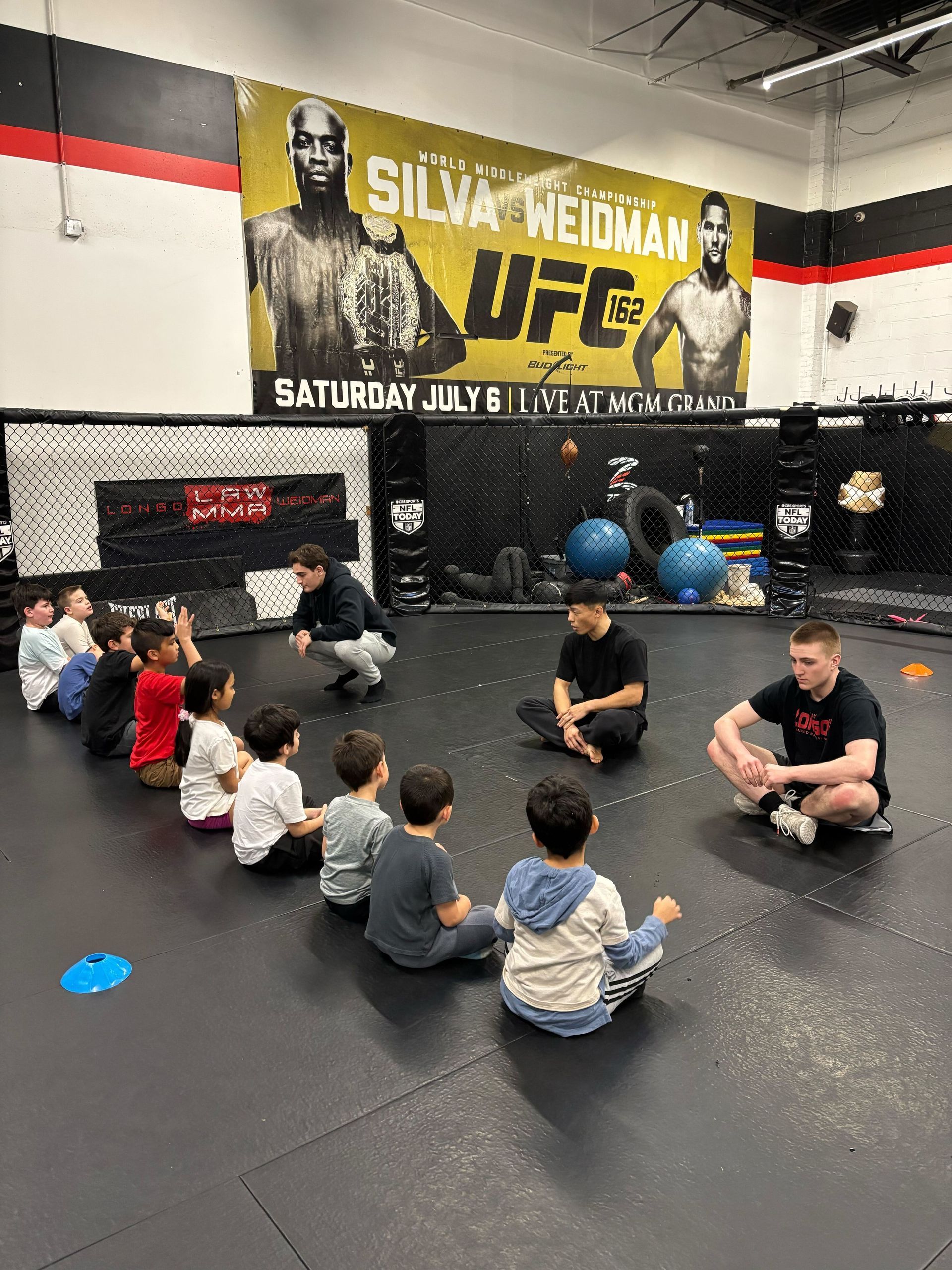
A first class should not feel like you got thrown into the deep end. You can expect a warmup that includes mobility and basic movement, then technical instruction with step by step coaching. After that, we usually move into drills where you repeat the skill with a partner at controlled intensity.
You will sweat. You might feel a little awkward at moments. That is normal. Most beginners do. The important part is that you leave understanding what you worked on and what to focus on next time. Consistency beats intensity early on, and we will remind you of that when you need it.
Safety, pacing, and gym etiquette that help you progress faster
If you are worried about injuries or hard sparring right away, that is a fair concern. Our beginner approach is built around fundamentals first, controlled intensity, and coaching that keeps you moving forward without unnecessary risk.
A few habits make a huge difference:
• Show up a little early so you are not rushing and can ask questions
• Focus on clean reps, not speed, especially in the first month
• Communicate with your partner about pace and comfort level
• Tap early and reset without ego, even if you think you can tough it out
• Take recovery seriously, including sleep, hydration, and mobility work
These habits are simple, but they are what help you train for the long run.
Why beginners love training here in Garden City
Garden City is a special place to train because the level of coaching and the seriousness about fundamentals are not just for experienced fighters. We have built a structure where beginners can learn the same core principles that work at the highest levels, just delivered at the right pace.
You also get variety without confusion. We offer MMA, plus striking focused options like boxing and kickboxing, and grappling concepts that draw from Brazilian Jiu Jitsu and wrestling. That means you can build a complete foundation and also spend extra time in the areas you enjoy most.
For many locals searching martial arts classes in Garden City, what matters most is feeling welcome and having a clear plan. That is exactly what we aim to provide every day.
Take the Next Step
If you want to start Mixed Martial Arts with a plan that keeps you safe, builds confidence, and gives you real skills you can use, we are ready to guide you. We keep the learning process structured and beginner friendly, so you can focus on improvement instead of worrying about whether you belong.
When you are ready to train in Garden City with a team that takes fundamentals seriously, you can do that at Ray Longo's Mixed Martial Arts, and you can start at a pace that fits your goals and fitness level.
Build stronger grappling skills and improve your technique by joining a free Brazilian Jiu-Jitsu class at Ray Longo’s Mixed Martial Arts.