

5 Surprising Ways Martial Arts Training Strengthens Family Bonds
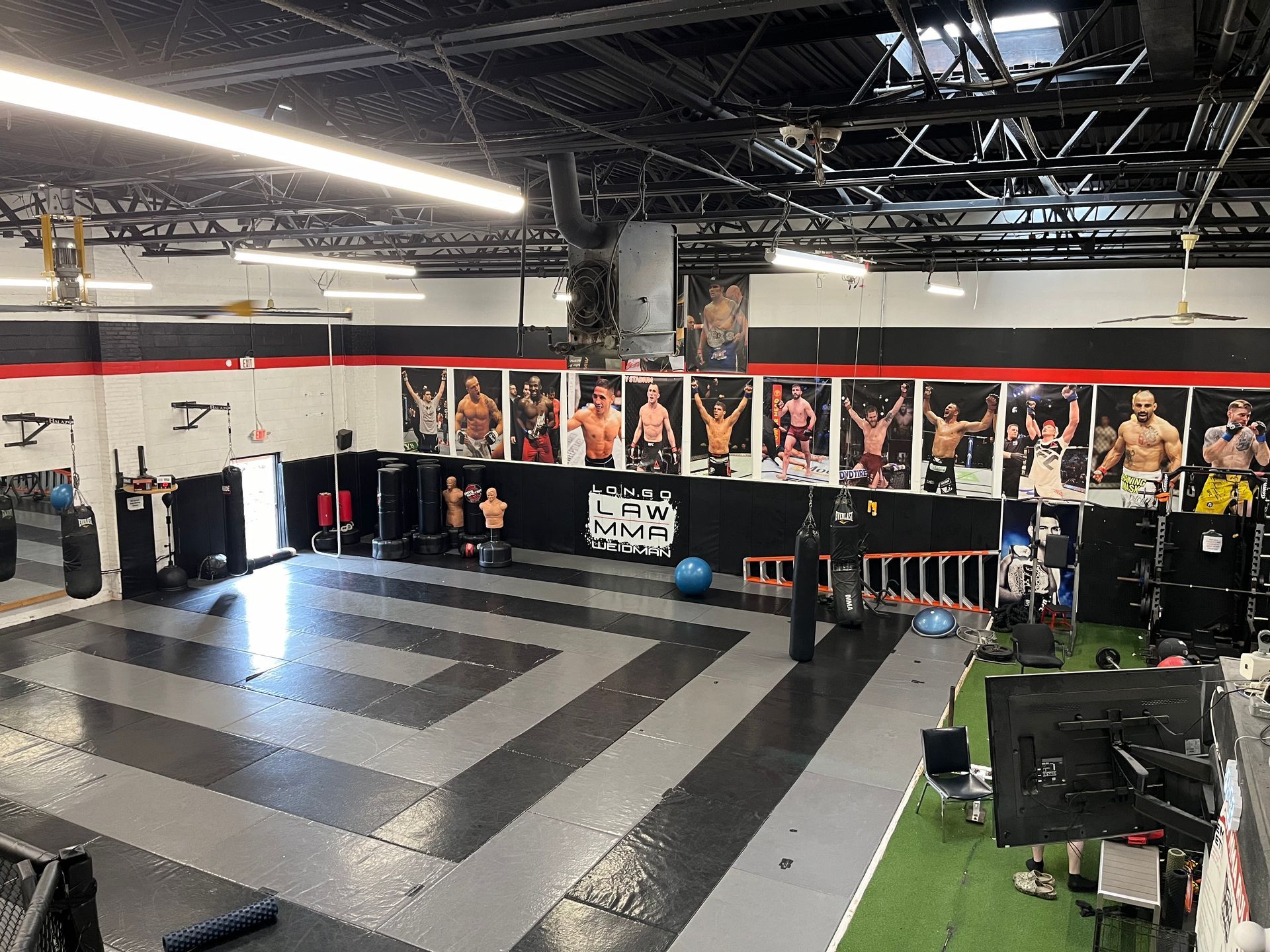
The fastest way to feel closer as a family often looks like learning something hard together, one class at a time.
Most families in Garden City are busy in a very specific way: packed calendars, quick dinners, homework at the counter, and a lot of screen time that sneaks in between everything else. When you start looking for quality time, it is easy to default to movies or meals out, but those don’t always create connection. They create proximity.
Martial arts training works differently. In our classes, you spend time solving problems together, listening to coaching together, and getting a little uncomfortable together, in a good way. That mix of structure and shared effort is exactly what helps family bonds grow stronger, and it tends to show up at home in ways people don’t expect.
Below are five surprising ways martial arts training can bring your household closer, plus practical ideas to help you make the most of it once you jump into the class schedule.
Why martial arts builds connection faster than most family activities
A lot of activities put family members in separate lanes. One person performs, another watches, and everyone goes home tired. In martial arts, we work in the same room with the same standards: attention, respect, safety, and steady progress. That shared environment matters.
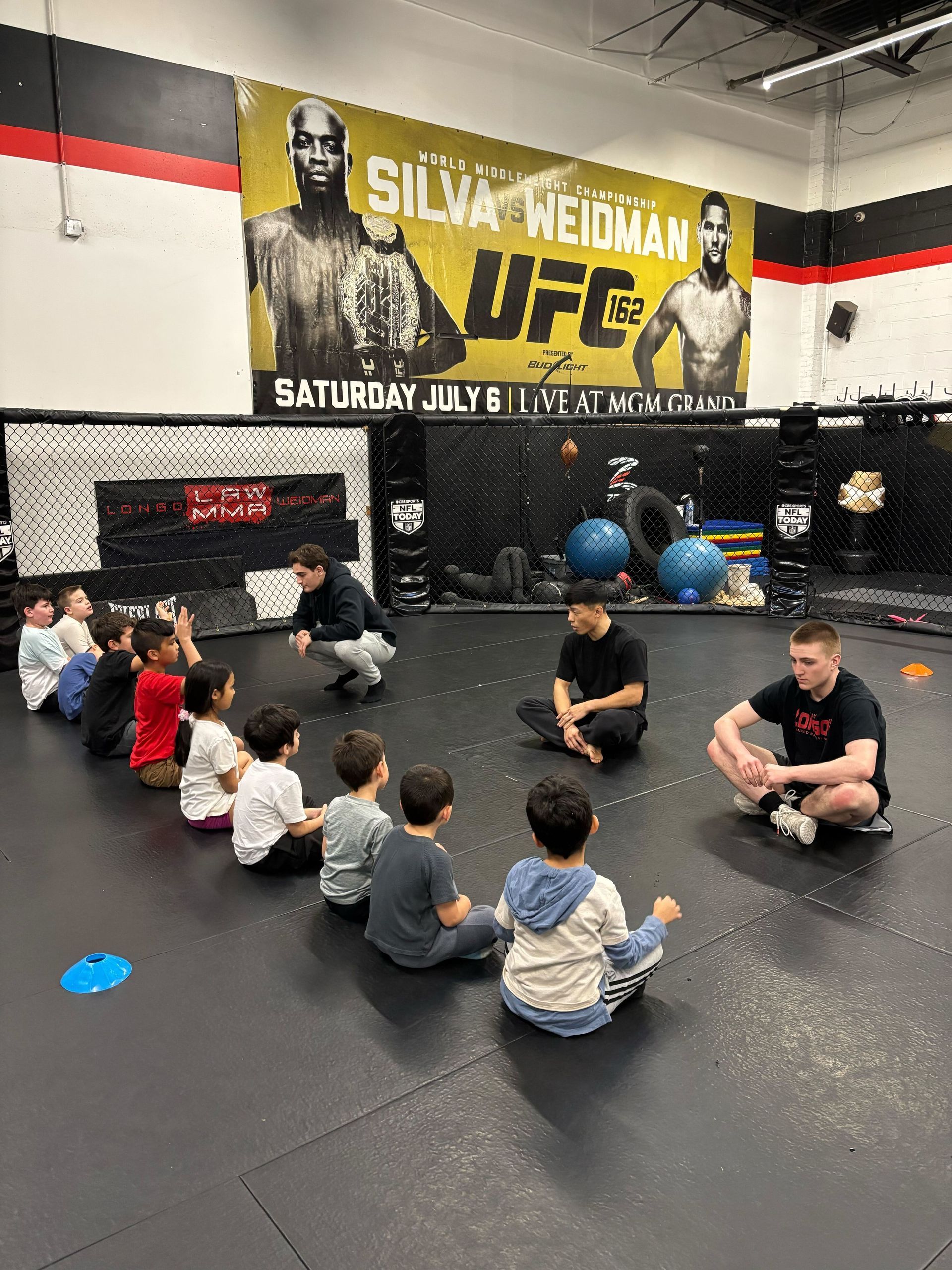
Training also creates a simple, repeatable ritual. You show up, bow in, learn, drill, and cool down. When families repeat that rhythm two or three times a week, it becomes a shared language. Even a quiet kid and a stressed parent can connect through the same cues: breathe, reset your stance, try again.
And because our coaching is structured, communication is built into the process. You are constantly practicing listening, giving feedback, and being coached without taking it personally. Those are family skills, not just gym skills.
1. Shared vulnerability builds deeper trust
One of the most surprising bonding moments happens when parents and kids both realize: we are beginners at something together. That is rare. At home, parents usually have the answers. In class, you might be learning a new footwork pattern or a simple grappling movement and feel a little clumsy at first. When your kid sees you stick with it anyway, something shifts.
This is not about parents trying to look tough. It is about showing effort, patience, and humility in real time. Kids notice that. So do spouses. Training gives you a place where it is normal to struggle, laugh a bit, and then improve.
Over time, that shared vulnerability becomes trust. You start believing in each other’s follow through. You also learn that discomfort is not a crisis, it is part of growth. Families that internalize that tend to handle everyday stress better, whether it is a tough school week or an overloaded work schedule.
How we keep it safe while you build trust
Trust only grows if everyone feels safe. Our classes emphasize controlled intensity, clear rules, and partner respect so mixed ages and skill levels can train in the same space without anyone feeling overwhelmed.
2. Milestone celebrations become real team wins
In many sports, milestones can feel individual: one kid gets a trophy, everyone claps, and that is that. In martial arts, progression tends to be more visible and more earned, which changes how families celebrate it.
When you train consistently, you start tracking improvements that are not just physical. You notice better balance, calmer breathing, quicker recovery after a mistake, and stronger focus. Those are wins your family can see and name, not just “good job.”
If your household trains together, promotions and skill milestones start to feel like a shared project. One person’s progress nudges everyone forward because it came from the same routine, the same class culture, the same reminders to keep your guard up and your mind steady.
Here are a few family milestones we encourage you to notice, even before any formal promotion:
• Showing up consistently for a full month, even when schedules get messy
• Handling partner drills with control and kindness, not ego
• Remembering key coaching points without being reminded at home
• Using breathing and focus to calm nerves before a hard round
• Bouncing back after a tough class instead of quitting
Those celebrations matter because they reinforce identity. Your family stops being a group of people living in the same house and starts becoming a team that trains.
3. Stress relief without screens changes the mood at home
A big reason families look for martial arts classes in Garden City is simple: everyone is carrying stress, and screens are not actually fixing it. Scrolling can feel like a break, but it rarely resets your nervous system. Training does.
Martial arts gives you a physically demanding, mentally focused way to discharge tension. You get your heart rate up, you concentrate on details, and you practice breathing under pressure. That combination is a powerful reset, especially for parents who spend all day in meetings or in traffic, and for kids who spend all day managing school expectations.
This is also where adult MMA in Garden City can be a game changer for parents. When you have a place to train hard, safely, and progressively, you show up at home with a different kind of energy. Not hyped up, just steadier. And kids learn that exercise is not punishment. It is emotional maintenance.
A practical weekly rhythm that works
If you want the bonding benefits to show up quickly, consistency matters more than intensity. Two to three sessions per week is often enough to build momentum without burning out the family calendar.
4. Cross generational skill transfer builds mutual respect
Another surprising shift happens when kids start teaching parents. It happens naturally in martial arts, especially when your child picks up a movement quickly and you are still thinking it through.
Maybe your kid reminds you to keep your elbows in during a simple striking drill. Maybe your teenager helps you remember the steps of a takedown entry. In most family settings, kids are corrected far more than they get to contribute. In training, contribution is normal.
That role reversal builds respect in both directions. Parents see their child as capable and attentive. Kids see that parents can learn, take feedback, and improve without getting defensive. That is a huge lesson for household communication.
We also see siblings become allies instead of rivals when the goal is shared improvement. When one sibling helps the other with a detail, like hip position in a drill, it changes the tone of the relationship. The gym gives them a reason to be on the same side.
5. The routine extends into daily life more than you expect
Martial arts is not just what you do in class. The structure leaks into the rest of the week, in the best way. Families start borrowing training habits for daily routines because the habits are simple and repeatable.
You learn to show up on time. You learn to listen when someone is instructing. You learn to finish what you started. You learn that small improvements add up. Those are the same skills that make homework smoother, chores less dramatic, and mornings less chaotic.
Here is a straightforward way to carry training into home life without turning your house into a boot camp:
1. Pick one shared habit for the week, like putting phones away during dinner
2. Use the same cue you use in class, such as “reset,” when emotions spike
3. Track progress in a quick family note, just one sentence after class
4. Celebrate effort, not outcome, especially for kids who are shy or anxious
5. Keep it light, because consistency beats intensity every time
When families do this, martial arts becomes a reference point. Instead of arguing about motivation, you can point back to what training already proved: you can do hard things, and you can do them together.
What to expect when your family starts training in Garden City
Most families want to know the practical details before committing. That makes sense. You want a place that feels welcoming, but also serious about safety and real progress.
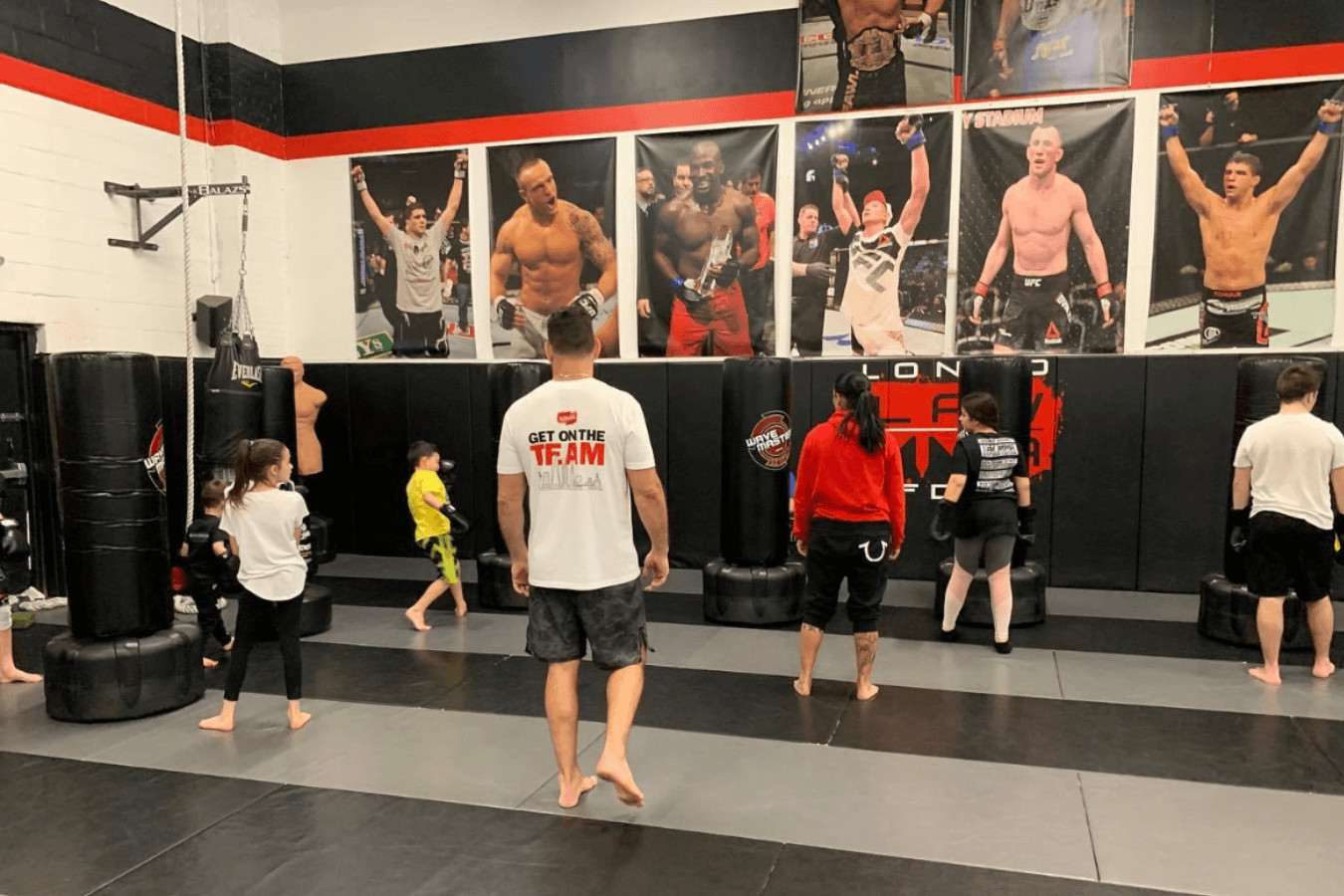
In our gym, we scale training so beginners can learn fundamentals without feeling thrown into the deep end. Partner drills are introduced with clear guidelines, and we emphasize control and communication from day one. You will also find that families settle into their own pace. Some households train on the same days. Others split sessions so parents can add extra adult MMA in Garden City training while kids stay consistent in their own classes.
If you are worried about age gaps, that is common. The solution is not forcing everyone into the exact same workout. The solution is shared culture and shared goals, with training options that meet each person where they are.
Take the Next Step with Ray Longo's Mixed Martial Arts
If your goal is stronger family connection, martial arts gives you a surprisingly practical path: shared effort, shared language, and a routine that replaces stress with progress. When you train together, you build trust in a way that feels earned, not forced, and that tends to carry into school, work, and home life.
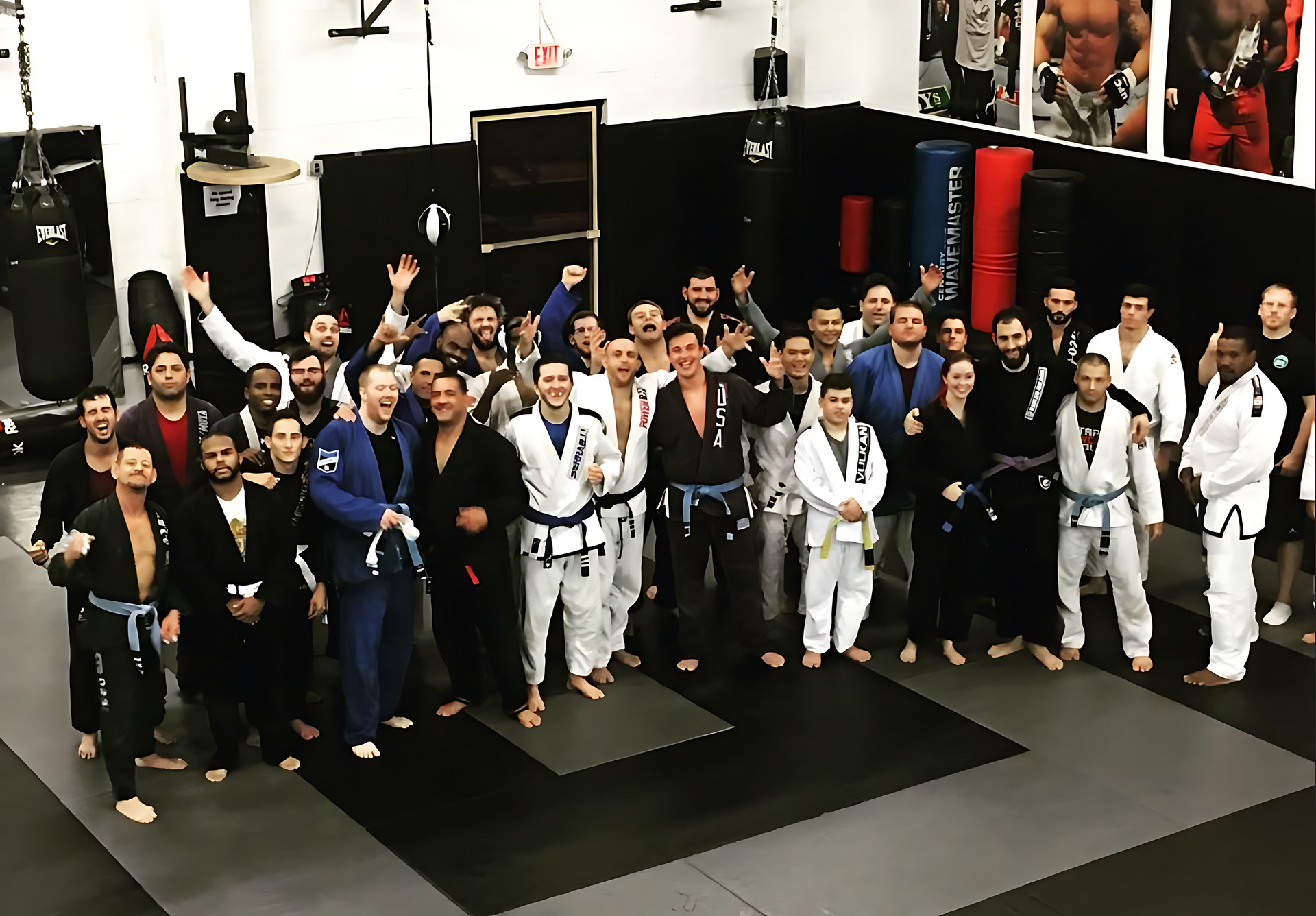
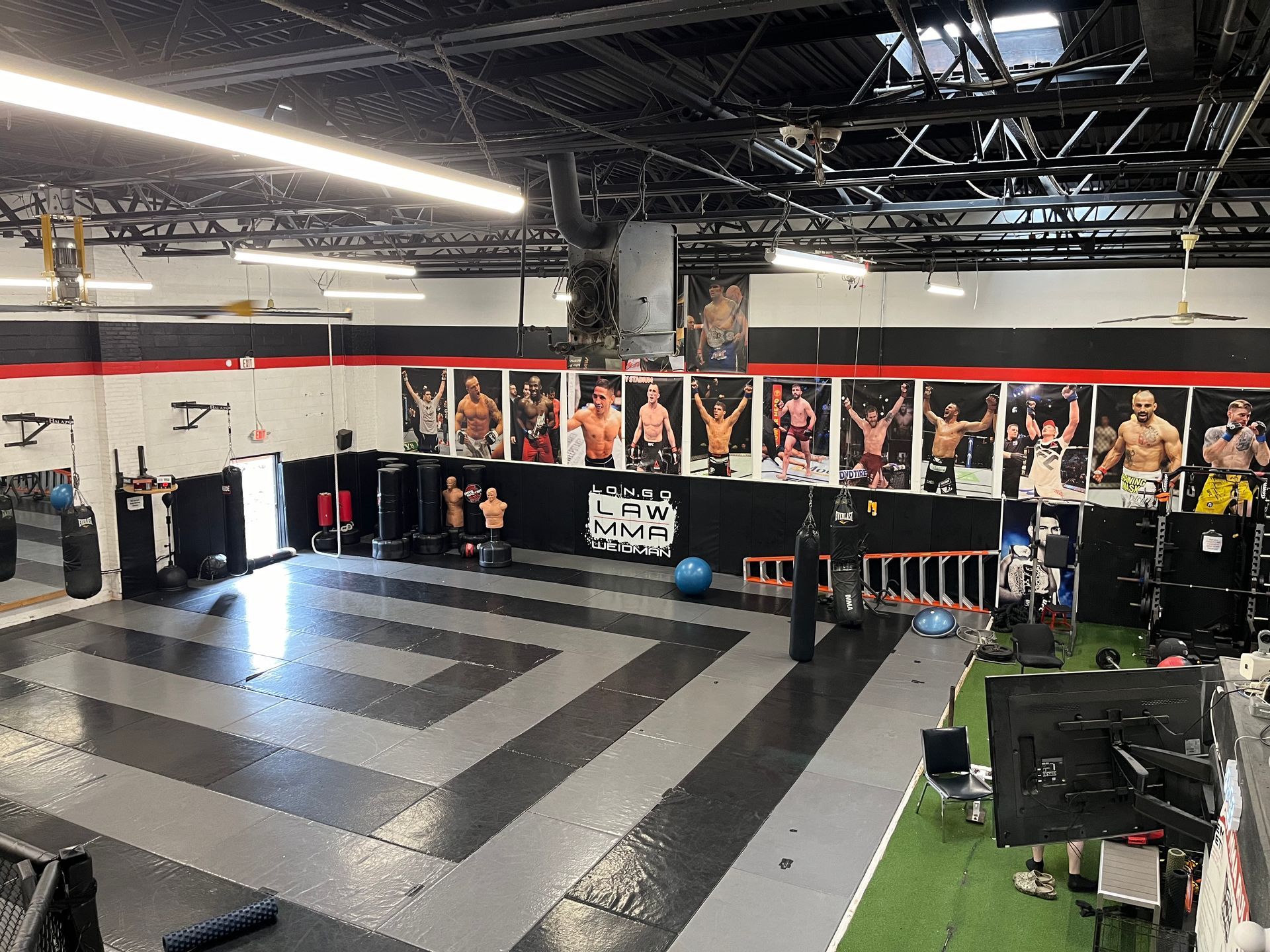
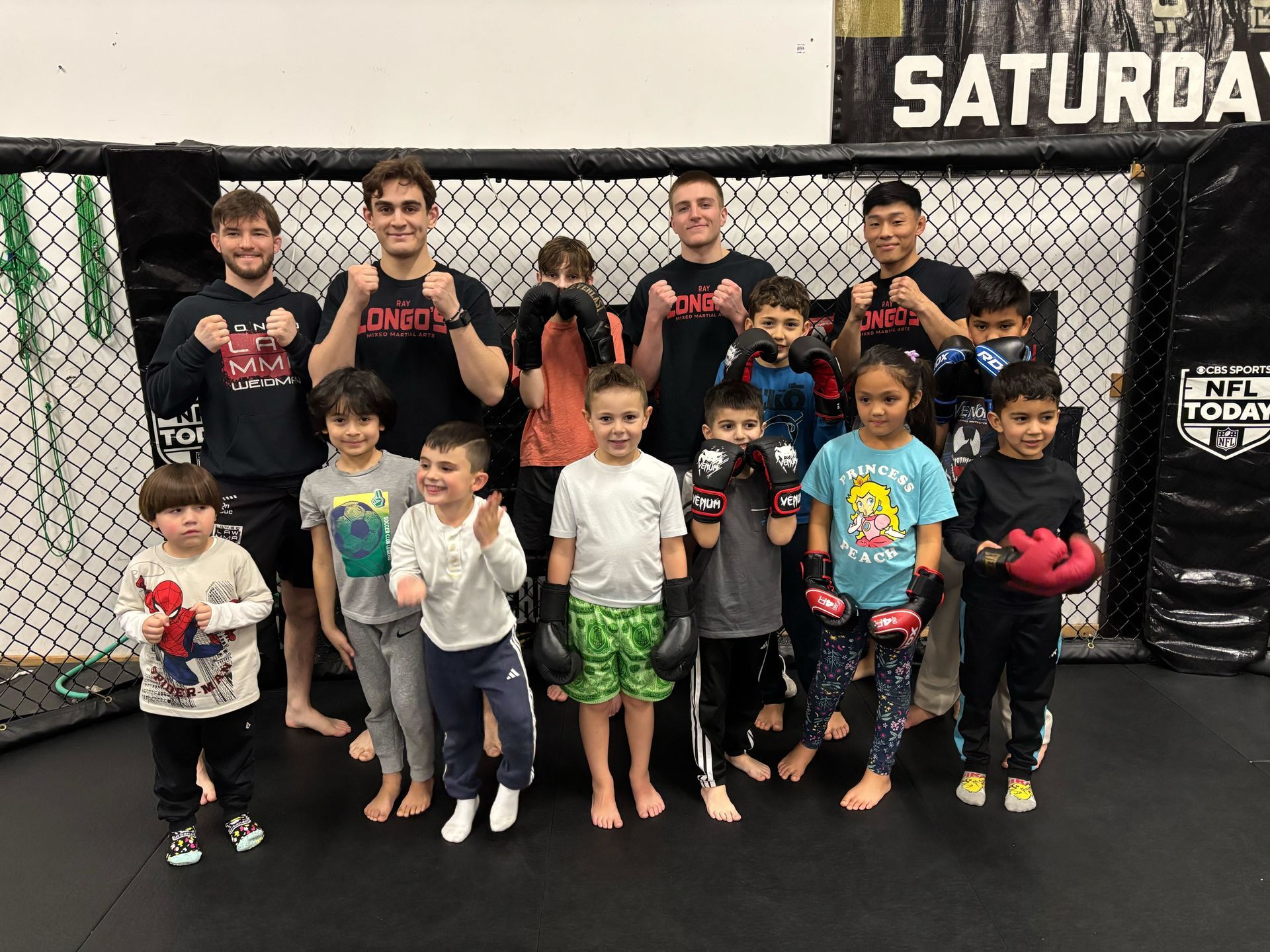
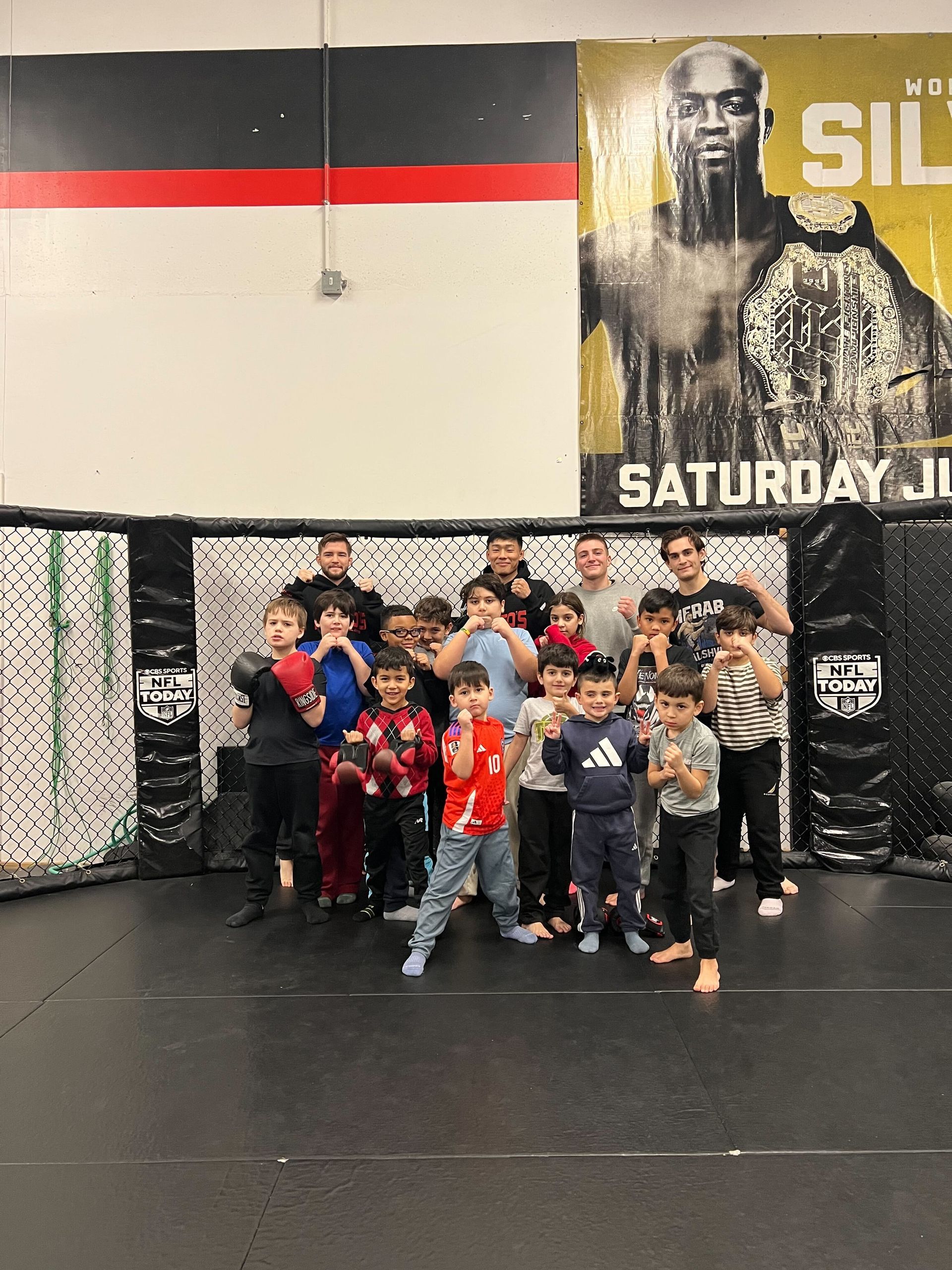
At Ray Longo's Mixed Martial Arts, we built our programs in Garden City, NY to support beginners, experienced students, parents, and kids in the same community, with coaching that stays structured, safe, and genuinely motivating as you improve.
Become part of a committed training community by joining a martial arts class at Ray Longo’s Mixed Martial Arts.