
Martial Arts for Every Age: Unlocking Hidden Benefits in Garden City
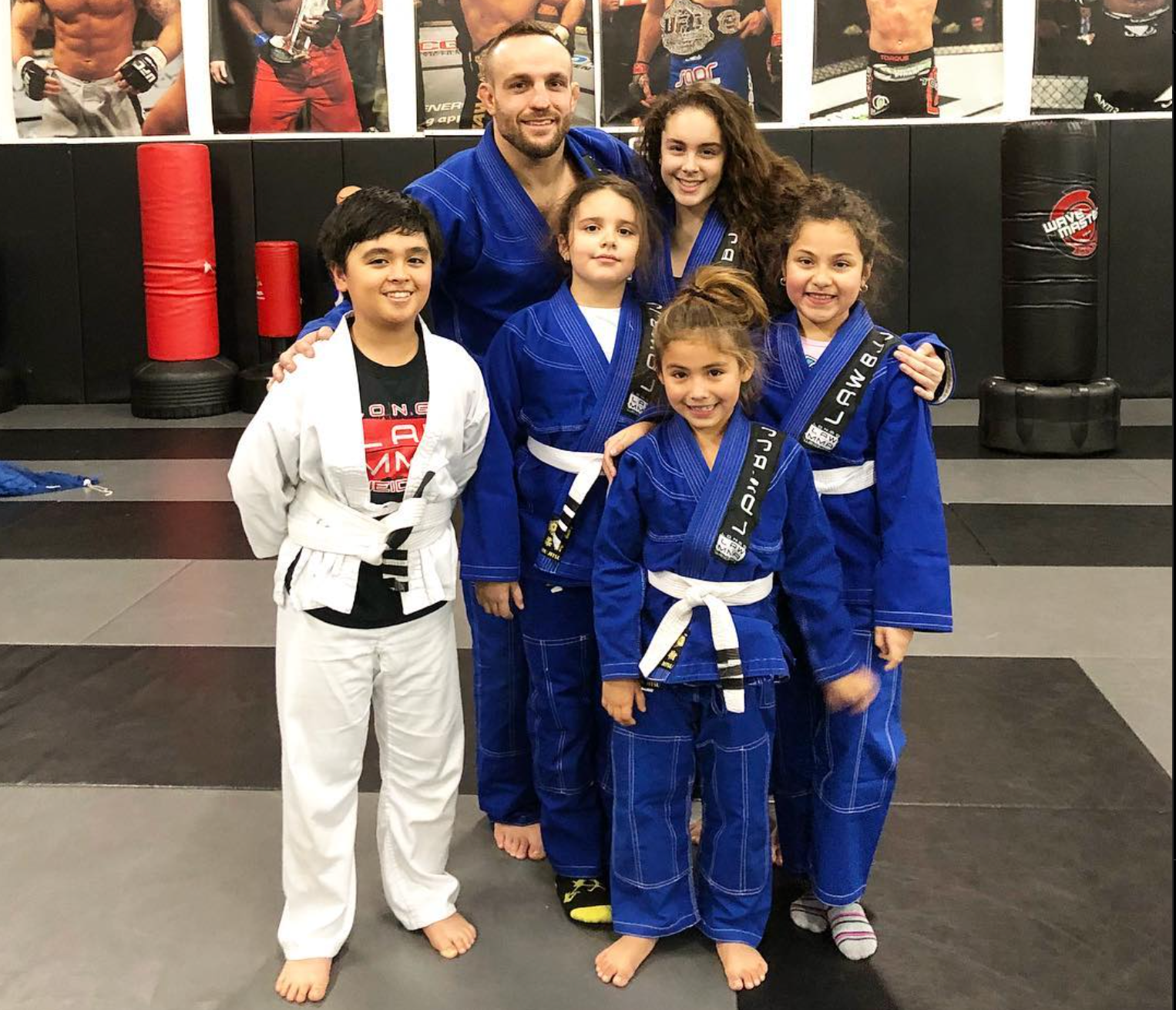
The right training can make you feel stronger in your body and calmer in your mind, no matter when you start.
Martial arts participation is growing fast across the U.S., and we understand why. When you train consistently, you get the obvious wins like better fitness and practical skills, but you also unlock quieter benefits that show up in your daily life: steadier confidence, sharper focus, and a real sense of momentum.
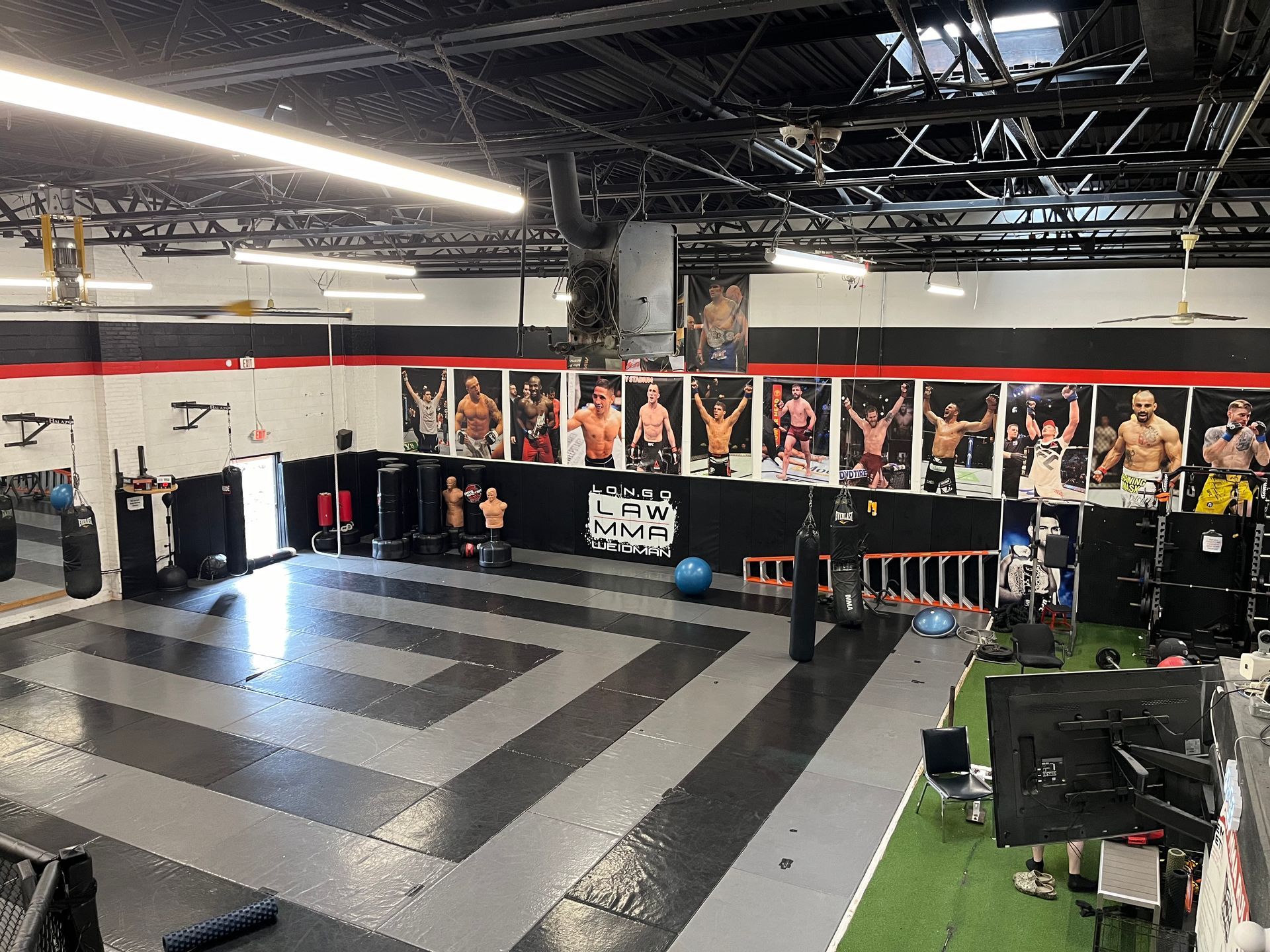
Here in Garden City, life moves quickly. Between commutes, school schedules, and the constant pull of screens, it helps to have an hour that belongs to you. Our classes give you structured, coach-led training that’s challenging without being chaotic, and welcoming without being soft.
In this guide, we’ll break down how martial arts can support kids, teens, adults, and older adults, and how we keep training safe, progressive, and realistic for everyday people, not just competitors.
Why martial arts works so well for so many ages
A big reason martial arts fits almost any life stage is that it scales. We can take the same core ideas, balance, posture, breathing, timing, and awareness, and adjust intensity, contact, and complexity to match your starting point.
Research consistently links martial arts training with improvements in cardiovascular fitness, strength, flexibility, balance, and posture across styles like karate, judo, taekwondo, kung fu, and kickboxing. Reviews also show particularly strong outcomes for older adults, including better balance, strength, flexibility, and heart-lung function, which matters for staying independent and reducing fall risk over time.
Beyond the physical side, martial arts is one of the rare activities that reliably blends effort with self-control. Well-structured programs are associated with reduced aggressive behavior and stronger emotional regulation, not the opposite. When your training has clear rules, clear goals, and respectful coaching, you practice discipline every time you show up.
The Garden City lifestyle makes these benefits even more relevant
Garden City is family-oriented and busy. We see students who want an after-school routine with purpose, professionals who want a full-body workout that doesn’t waste time, and adults who want self-defense skills that feel grounded in reality.
Nationally, average tuition sits around 150 dollars per month, and studios rebounded strongly after the pandemic as people looked for structured ways to improve health, manage stress, and reconnect socially. That’s a big part of why MMA-based training keeps growing as a category. It’s efficient, realistic, and it builds a kind of fitness that carries over into real movement, not just machine reps.
If you’ve been searching for martial arts Garden City options because you want a healthier routine that also builds confidence, it helps to understand what changes at each age.
Martial arts for kids: confidence, coordination, and better behavior
What kids actually learn first
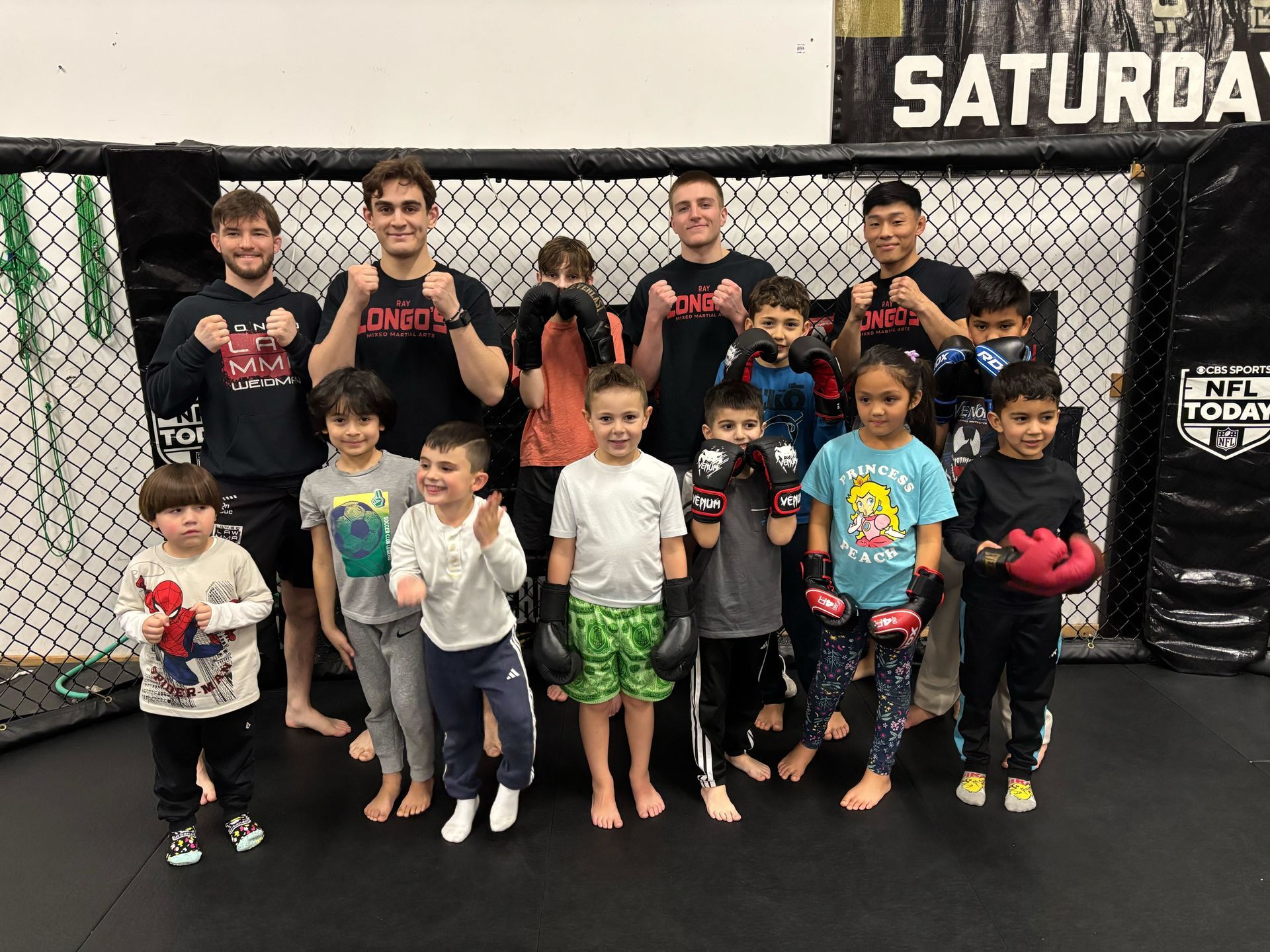
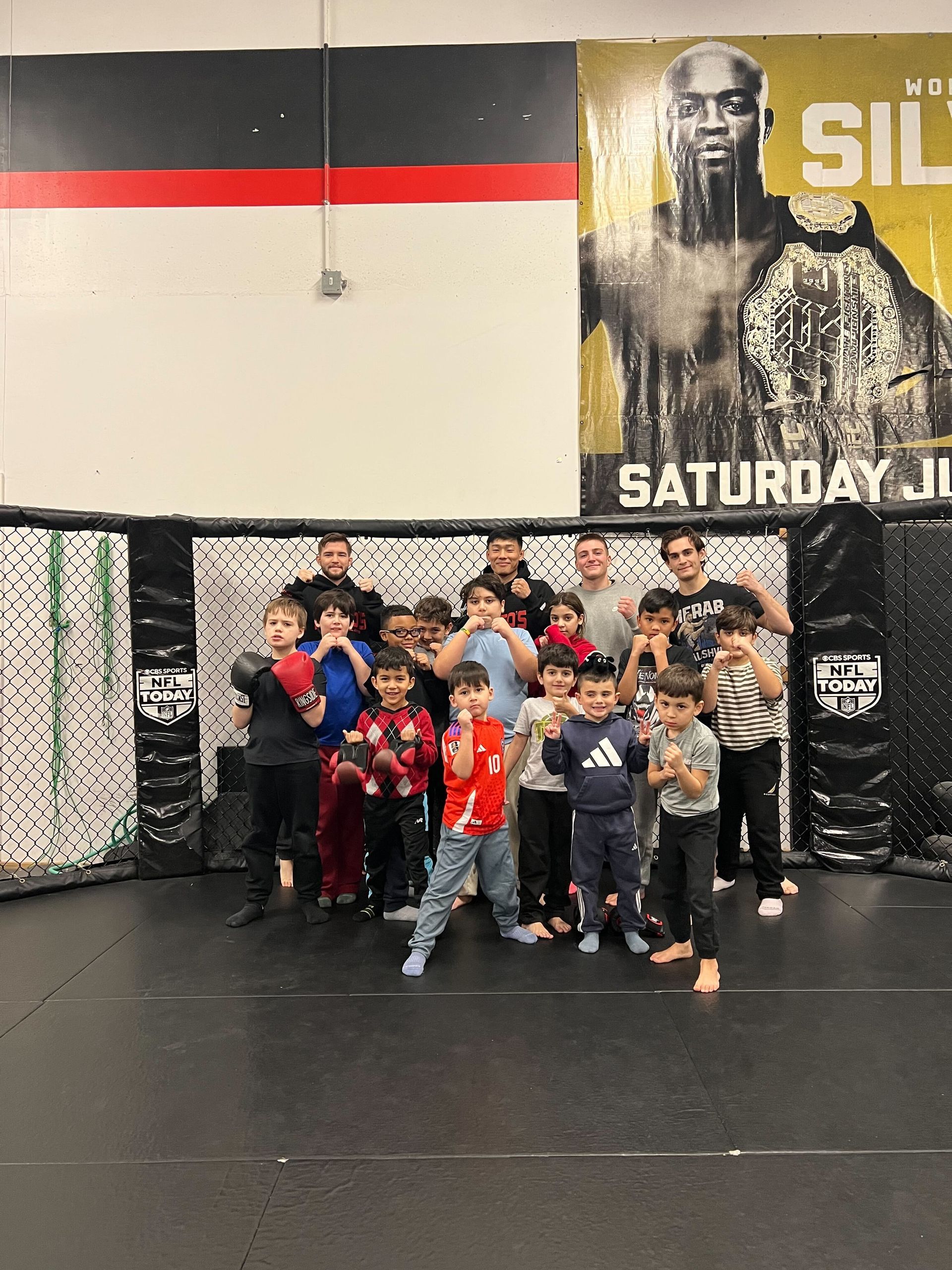
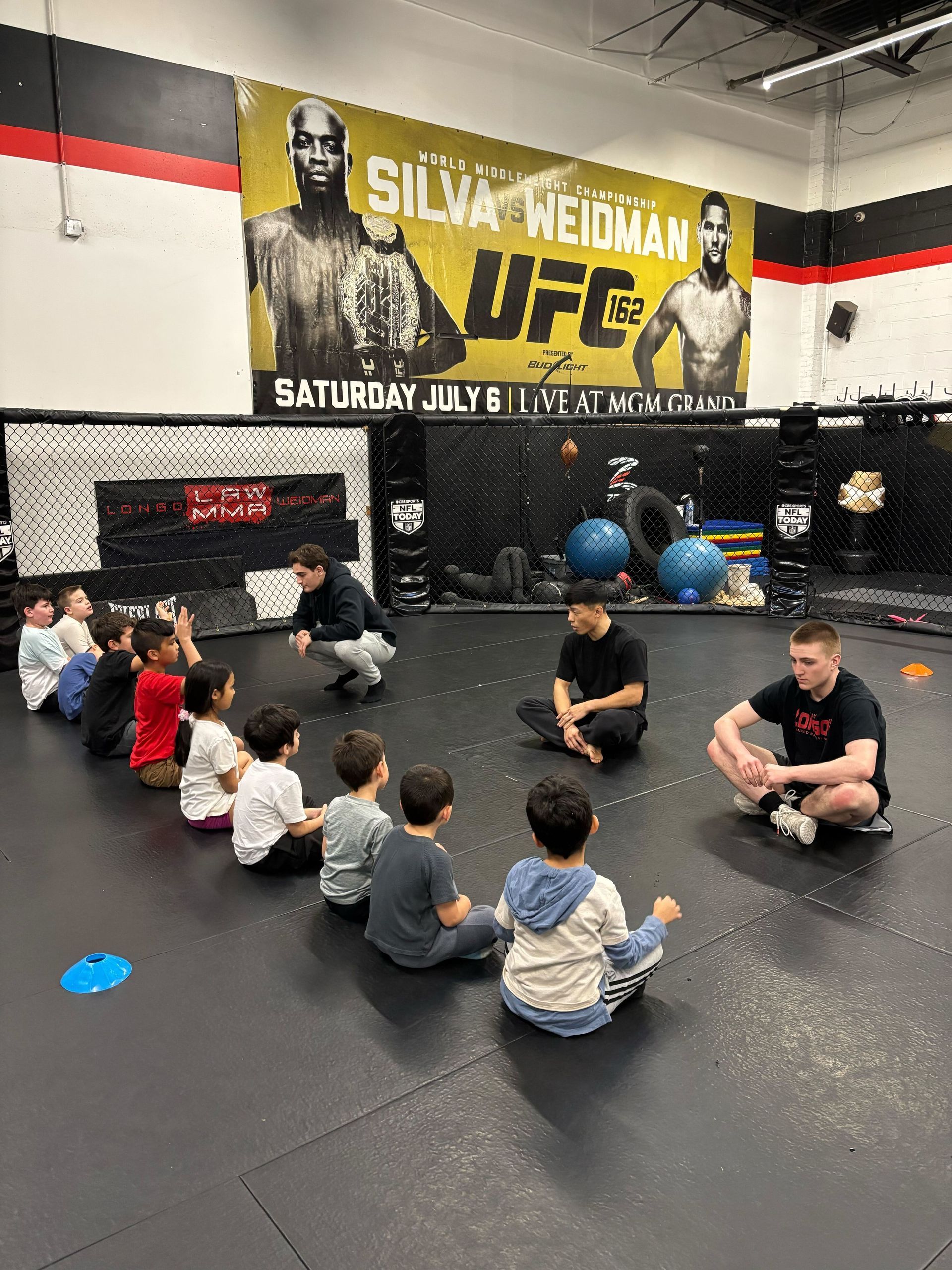
For younger students, the first “hidden benefit” is often better listening and body control. Before we care about power, we care about safe movement, personal space, and following directions the first time. Those skills transfer directly into school and home routines.
Studies have linked martial arts training with improved self-control and lower impulsive or rule-breaking behavior. In one study, students who trained also showed higher academic test scores and creativity than a non-training group. That doesn’t mean training replaces good parenting or good teaching, but it can reinforce the habits that make those things easier.
How training supports anti-bullying without turning kids into fighters
Parents sometimes worry martial arts will make a child more aggressive. The evidence points the other way when training is disciplined and structured. The goal is not to “win a fight,” it’s to build awareness, posture, and calm decision-making.
We coach kids to:
- Use confident body language and strong voice cues to discourage unwanted attention
- Understand boundaries and personal space in a practical, age-appropriate way
- Practice controlled techniques that build coordination without encouraging rough behavior
- Learn respect through routines like partnering, taking turns, and following safety rules
- Handle frustration and mistakes without melting down, which honestly is half the battle some days
Martial arts for teens: focus, resilience, and healthy identity
Teen years come with pressure, academically, socially, and physically. Training gives teens a place where progress is measurable and earned. You don’t need to be “the best,” you just need to show up, try, and improve.
Martial arts can act like exercise and meditation at the same time. You’re working hard, but you’re also learning to settle your mind under stress, notice your breathing, and stay composed. That carries into tests, sports, performances, and everyday conflict.
Teens also benefit from a community that expects effort and respect. Training partners become a kind of steady social circle, one built around shared work rather than status. That’s an underrated benefit in a world that can feel loud and judgmental.
Martial arts for adults: efficient fitness and real-world self-defense
A lot of adults come to us with a simple goal: feel better. More energy, less stress, more strength, and a routine that actually sticks. Martial arts is a full-body workout that builds endurance, speed, and coordination in a way many traditional workouts do not. You’re pushing, pulling, rotating, balancing, and reacting, all in the same session.
Mental health is a big reason adults stay. Practitioners commonly report improved mood, energy, and life satisfaction. Research also suggests that structured martial arts training can reduce stress, anxiety, and depressive symptoms more effectively than less structured exercise, likely because the training is goal-driven and mentally engaging.
If you’ve been curious about MMA Garden City training, it helps to know that “MMA-style” does not automatically mean hard sparring. For many adults, the focus is practical movement, conditioning, technical drilling, and controlled partner work. You can train realistically without training recklessly.
Martial arts for older adults: balance, mobility, and confidence in movement
One of the most meaningful shifts we see is when older adults realize training is still for them. Not in a “try to be 25 again” way, but in a “move well and feel steady” way.
Research reviews highlight strong benefits for older adults: improved balance, strength, flexibility, and cardiorespiratory function. That matters because balance and leg strength can influence fall prevention, and falls are one of the biggest threats to independence.
Our approach emphasizes progress that feels safe and respectful of your body. We focus on posture, controlled footwork, range of motion, and simple combinations that improve coordination without excessive impact. You might be surprised how much confidence comes from simply feeling stable on your feet again.
Safety first: how structured training keeps MMA approachable
People often ask whether MMA is too dangerous for kids or older adults. The honest answer is that safety depends on coaching, culture, and progression. We keep training structured, with clear rules and appropriate contact levels.
Here’s what safe, sustainable training looks like in practice:
1. We start with fundamentals like stance, guard, and movement before intensity
2. We build skills through drilling and controlled partner work, not chaos
3. We match partners thoughtfully and keep ego out of the room
4. We use protective gear and adjust contact based on age and experience
5. We treat recovery and consistency as part of training, not an afterthought
That structure is also why martial arts tends to improve emotional regulation. When your environment rewards composure, patience, and respect, those habits grow.
Women and martial arts: confidence, resilience, and everyday safety
Women’s participation in martial arts has been rising, especially in kickboxing and Brazilian Jiu-Jitsu. And the benefits go well beyond learning techniques.
Research comparing women who train versus those who do not found higher psychological resilience in martial arts practitioners, particularly in “control” (behavioral self-regulation) and “challenge” (seeing stress as an opportunity for growth). That lines up with what many students describe: you stop feeling helpless, not because the world becomes perfectly safe, but because you feel more capable and aware.
In our classes, we prioritize practical self-defense fundamentals, situational awareness, and skill-building that earns confidence the right way: through repetition and real improvement.
Inclusive training: adapting for injuries, disabilities, and real life
Not everyone walks in feeling athletic, and not everyone has a perfect body or a perfect week. Martial arts training can be adapted for people with physical, cognitive, and sensory disabilities, with experienced coaching and smart modifications. The goal is progress, not perfection.
We also regularly adjust training for common issues like stiff hips, sensitive knees, prior shoulder injuries, or simply low starting fitness. Small changes in stance, range, tempo, and volume can make training accessible while still challenging.
If you’re unsure whether you can do this, we encourage you to start the simplest way: show up, learn the basics, and let us tailor the pace. Consistency beats intensity almost every time.
How often should you train to feel results?
Frequency depends on your goals, but most people feel meaningful change with steady practice. In general, training 2 to 3 times per week supports skill development, fitness gains, and the mental benefits that come from structured repetition.
You’ll notice the physical changes first, better stamina, better mobility, maybe your posture looks different in the mirror. The mental changes can be quieter: less stress carried in your shoulders, better patience, and a stronger sense that you can handle hard things.
For details, the class schedule page is the best place to see which times fit your routine.
Take the Next Step
If you want martial arts that fits your age, your goals, and your real life in Garden City, we’re ready to guide you through a smart, progressive start. The strongest results come from training that’s consistent, structured, and supportive, and that’s exactly how we run our programs.
When you’re ready, we’ll help you choose a path that matches what you actually want: better fitness, practical self-defense, steadier confidence, or simply a routine you can stick with. That’s what we do every day at Ray Longo's Mixed Martial Arts, and we’d love to help you experience it in person at Ray Longo's Mixed Martial Arts.
Experience how consistent Brazilian Jiu-Jitsu training can elevate your performance by joining a free class at Ray Longo’s Mixed Martial Arts.