

From Couch to Kicks: How Martial Arts Can Transform Your Daily Life
One good class can change how you move, how you think, and how you show up to everything else.
If you live in Garden City, you already know how quickly “busy” can eat your week. Work, commuting, family schedules, errands, and the general pace of Long Island life can turn exercise into something you keep meaning to do. That’s one reason martial arts works so well: it’s not just a workout you squeeze in, it’s a practice that starts shaping your habits.
We see it all the time. People walk in feeling out of shape, stiff, stressed, and a little unsure about what to expect. A few months later, your posture changes, your energy comes back, and you start making better choices without forcing it. Not because you found “motivation,” but because training gives you structure, feedback, and a reason to keep showing up.
Why martial arts feels different than “trying to get fit”
Traditional fitness plans often ask you to bring willpower to every session. Martial arts flips that: you come in, follow the class, learn a skill, and the conditioning happens along the way. You’re not just burning calories, you’re building competence, and competence is addictive in a good way.
It also helps that martial arts is exploding in popularity right now. The U.S. martial arts studio industry is estimated around 21 billion dollars in 2025, and globally the market is projected to push past 170 billion by 2028. That growth isn’t random. People want training that blends fitness, self defense, and mindset in one place, and they want it to feel real.
When you train with us, the goal is simple: give you a path from “I haven’t worked out in a while” to “this is part of my life now.” No theatrics. No pressure to be someone you aren’t on day one.
What “from couch to kicks” actually looks like in real life
Most beginners don’t need a dramatic overhaul. You need a plan that’s realistic with your schedule and your current conditioning. Industry data suggests many students train about 3 to 4 hours per week. For most adults, that usually translates to 2 to 3 classes weekly, and that’s enough to see real change without living in the gym.
In the first few weeks, you’ll likely notice the small stuff first: stairs feel easier, your shoulders loosen up, and you stop feeling so wiped out at the end of the day. Then the bigger changes show up: your cardio improves, your coordination sharpens, and your confidence starts to feel quieter and more solid.
And yes, you’ll probably surprise yourself. Not in a “movie montage” way, but in a practical way, like realizing you can push through a tough round and still keep your breathing under control.
Fitness benefits you can feel outside the gym
Martial arts is a full body demand, especially when you’re learning how to move correctly. You’re using your legs, hips, core, and upper body together, which is why training tends to carry over into everyday energy and posture.
Here are a few ways it tends to show up in day to day life:
• Better stamina for long workdays because your conditioning improves without needing separate cardio sessions
• Stronger posture and fewer “desk shoulders” because stance and guard work reinforce alignment
• Improved balance and coordination from footwork, pivots, and level changes
• More consistent sleep patterns because hard training helps regulate stress and rest cycles
• More confidence in your body, which makes other healthy habits feel less intimidating
That last point matters. When your body starts to feel capable again, your choices change. You may find yourself walking more, drinking more water, or cooking at home more often, not because you were lectured into it, but because you feel the difference.
Stress, focus, and emotional control: the underrated transformation
A lot of people come in for fitness and stay for the mental reset. Training forces you into the present moment. If your mind wanders, you’ll lose your timing. If your breathing gets messy, you’ll gas out early. You learn, quickly, to settle down and pay attention.
There’s also research support for this side of training. One study cited in industry summaries reported martial arts practitioners showed about a 23 percent decrease in aggression compared with non practitioners, which points to better emotional regulation and self control. That’s not about becoming “tougher,” it’s about becoming steadier.
For Garden City adults juggling work pressure, commuting stress, and family demands, that steadiness is a big deal. You start handling friction differently. The annoying email feels less personal. The long line at the store doesn’t spike your mood. You’re still you, just less reactive.
“Is MMA safe for beginners?” and other myths we clear up fast
Beginners often picture professional fights and assume training means getting hit on day one. That’s not how responsible coaching works. Our classes are built around fundamentals first: stance, movement, defense, and controlled drilling. Safety is a skill, and we teach it like a skill.
A few common concerns we hear, especially from adults starting martial arts in Garden City:
“Do I have to spar?”
No. You can train for fitness, technique, and self defense without hard sparring. When sparring is introduced, it’s progressive and controlled, and it’s never a surprise.
“Am I too old or too out of shape?”
If you can walk in, you can start. The average martial arts practitioner worldwide is about 31, but we coach plenty of adults well beyond that. The key is smart pacing and consistency.
“Will I get injured?”
Any physical activity has risk, but we reduce it by teaching clean mechanics, managing intensity, and keeping partner work structured. You’ll spend more time learning how to move well than you will “going hard.”
What you’ll learn in our martial arts classes in Garden City
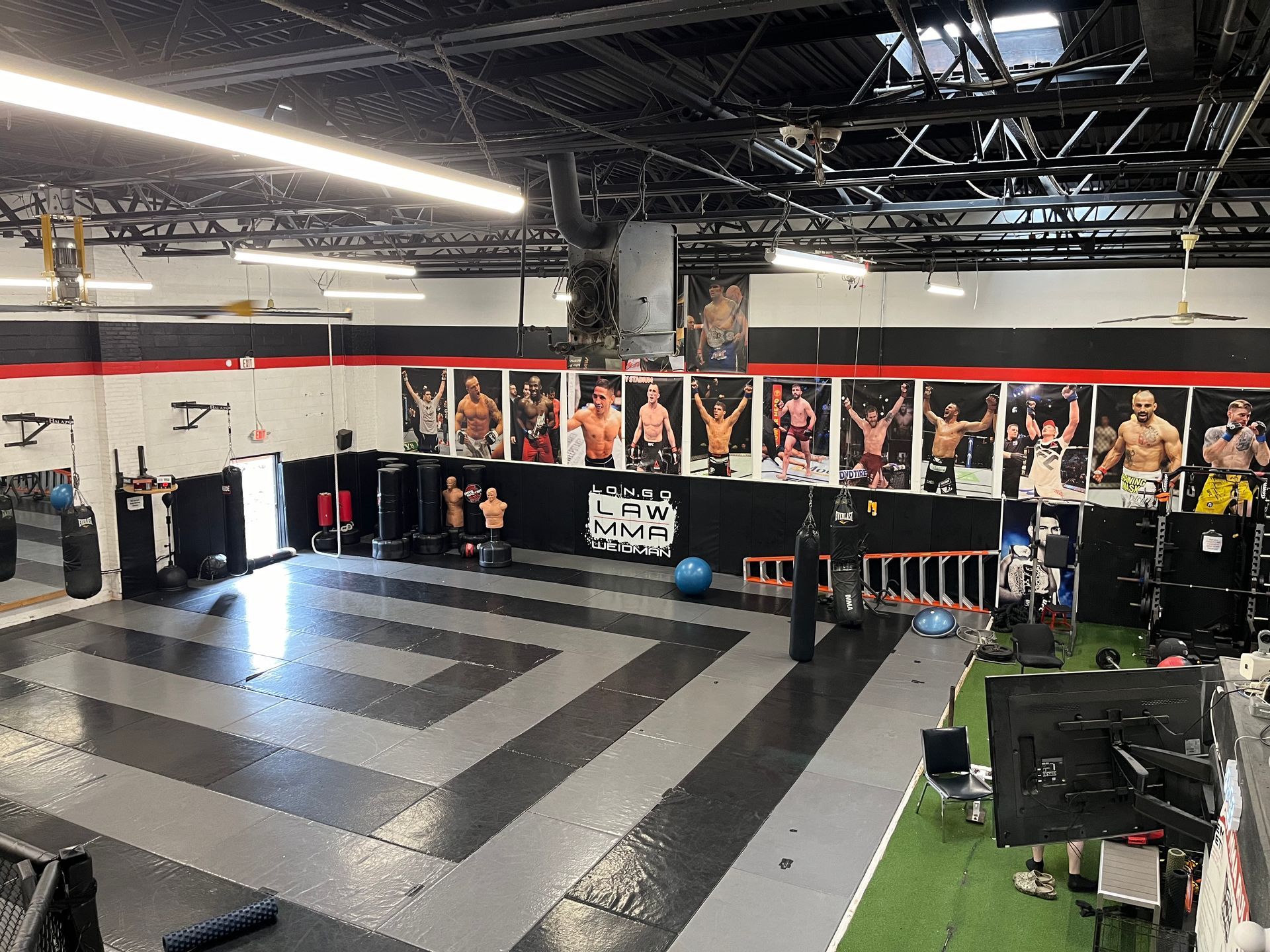
We coach martial arts with a practical, modern structure, because real life isn’t one dimensional. Striking, grappling, and conditioning all matter, and the way we teach them matters even more.
In a typical beginner progression, you’ll work on:
1. Stance, footwork, and balance so you can move without feeling clumsy
2. Basic punches and kicks with proper mechanics so power comes from structure, not effort
3. Defensive habits like head position, guard recovery, and distance management
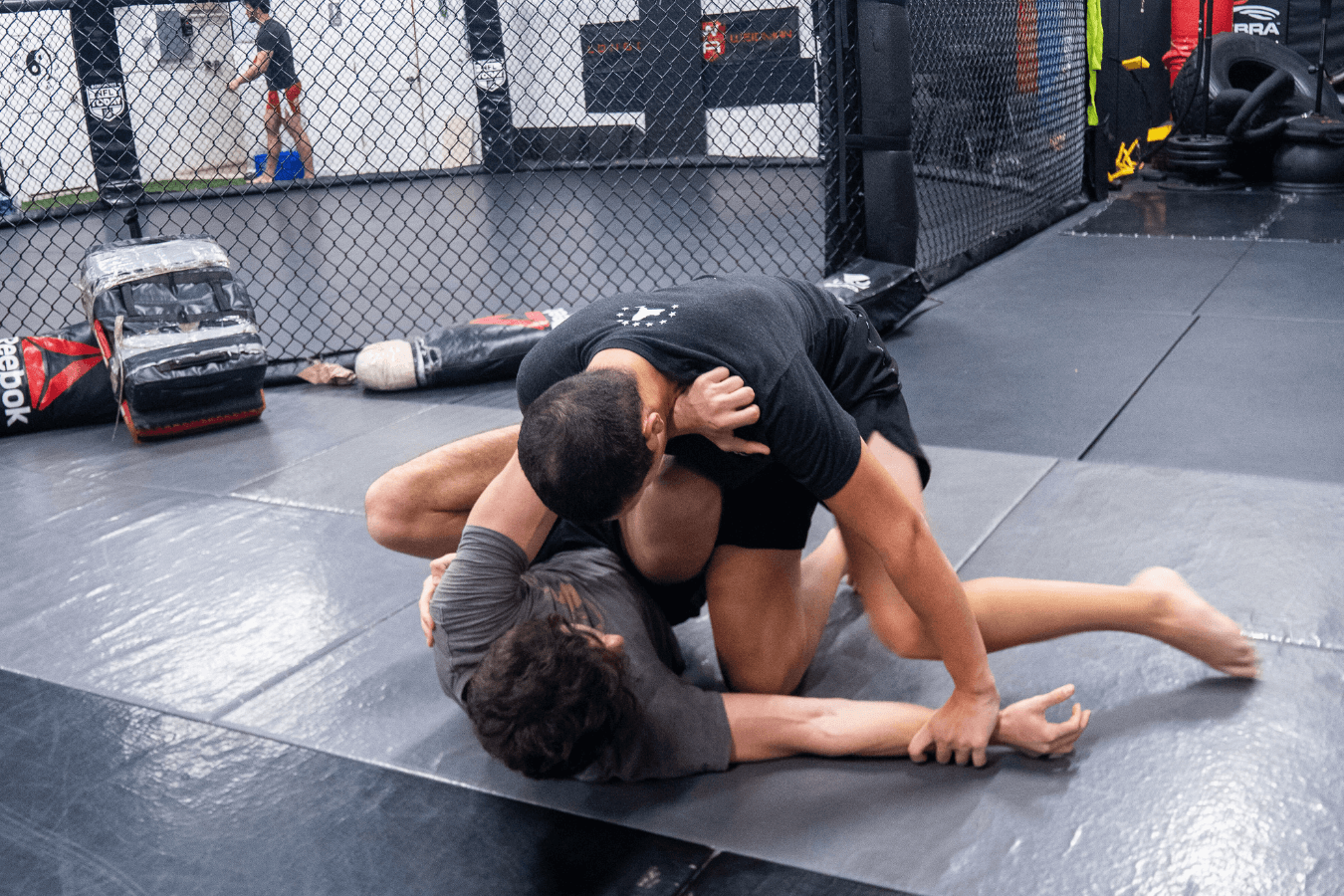
4. Intro grappling concepts like posture, control, and safe ways to move on the ground
5. Conditioning that supports skill, including rounds that build grit without burning you out
That’s the heart of martial arts training: you’re learning how to solve problems with your body while under pressure. It’s challenging, but it’s also weirdly calming once you get into the rhythm.
The 90 day “couch to kicks” blueprint we recommend
If you like having a clear plan, here’s a realistic timeline many new students follow. You don’t need perfection, just repetition.
Weeks 1 to 4: Show up and build the base
You learn the vocabulary of movement: stance, guard, breathing, and basic combinations. Expect some soreness and a lot of “oh wow, I didn’t know I was that tight.” That’s normal.
Weeks 5 to 8: Skill starts to click
You’ll feel more coordinated. Your cardio jumps because your body adapts to rounds. Partner drills feel less awkward because you understand distance and timing better.
Weeks 9 to 12: Real confidence arrives
This is where people notice the lifestyle change. You walk in knowing what to do. You recover faster. You start thinking, “I can keep doing this,” which is the whole point.
Training 2 to 3 times per week is enough for most adults to feel a strong shift in fitness and mindset in that window. More is fine, but consistency beats intensity every time.
Kids, teens, and families: training that supports real life
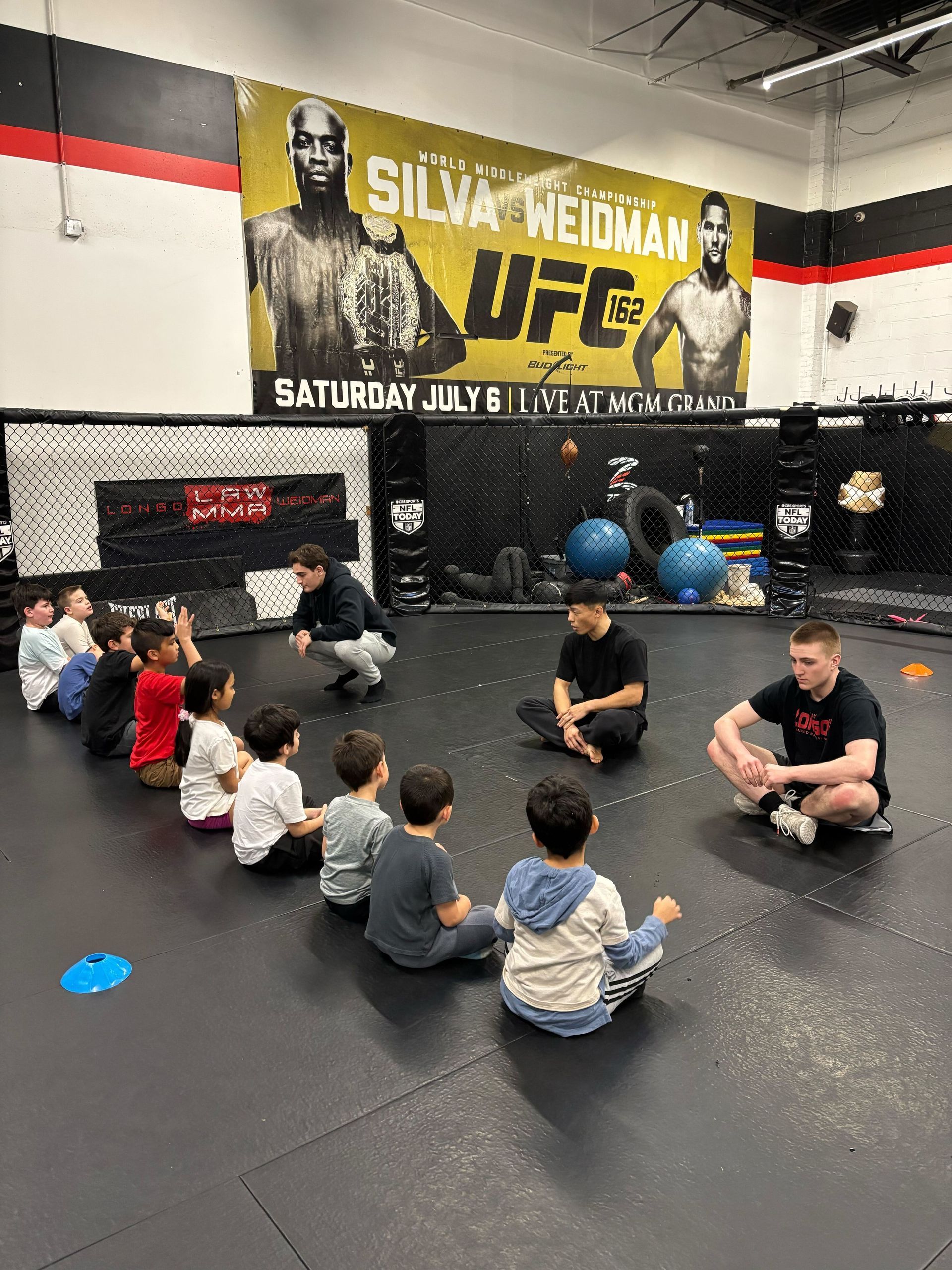
Martial arts isn’t only an adult thing. More than half of students nationwide are ages 6 to 18, and parents often enroll kids for focus, confidence, and a structured outlet, not just exercise. We take that seriously.
For kids and teens, the transformation tends to look like better listening skills, more patience, and improved body awareness. For teens who already play sports, martial arts can sharpen conditioning, coordination, and mental toughness in a way that transfers well.
For parents, there’s also a practical benefit: when training becomes part of the family routine, it’s easier to stick with it. You don’t have to “find time,” it becomes scheduled like anything else that matters.
Fitting training into a Garden City schedule without burning out
We coach a lot of busy adults, and we never assume you have unlimited time or energy. The goal is to make martial arts sustainable, not another thing you feel behind on.
A few simple approaches we recommend:
• Pick two consistent days per week to start, then add a third when your body and schedule feel ready
• Treat class like an appointment, not a “maybe,” because momentum is everything early on
• Use the class schedule to plan around work and family routines instead of guessing week to week
• Keep your first month focused on learning and breathing well, not on “winning” anything
• Leave one day per week for active recovery like walking, stretching, or light mobility work
If you want extra structure, we can help you choose classes that match your goals, whether you want weight loss, self defense, stress relief, or eventually competition. The path is different for everyone, but the starting point is the same: show up.
Self defense that’s practical, not performative
Self defense is one of the most common reasons people look for martial arts classes in Garden City, and we respect that. Real self defense includes awareness, distance management, and the ability to stay calm under pressure. It also includes physical tools that work when your heart rate is up.
In training, you build habits that matter: keeping your balance, protecting your head, creating space, and making smart decisions quickly. The goal isn’t to make you paranoid, it’s to make you prepared. That confidence carries into how you walk, how you carry yourself, and how you set boundaries.
Start Your Journey with Ray Longo's Mixed Martial Arts
If you’re ready to trade the “I should get back in shape” loop for something you can actually stick with, we built our training to meet you where you are. Martial arts is a long game, but you feel the payoff early: better energy, sharper focus, and the kind of confidence that shows up on a random Tuesday, not just in the gym.
When you train at Ray Longo's Mixed Martial Arts, you’re not signing up for a quick fix. You’re building a skill set and a routine that supports your daily life in Garden City, and we’ll guide you through it step by step, at a pace that keeps you progressing safely.
Put these techniques into practice by joining a free Brazilian Jiu-Jitsu class at Ray Longo’s Mixed Martial Arts.