

How Martial Arts Training in Garden City Fuels Lasting Motivation
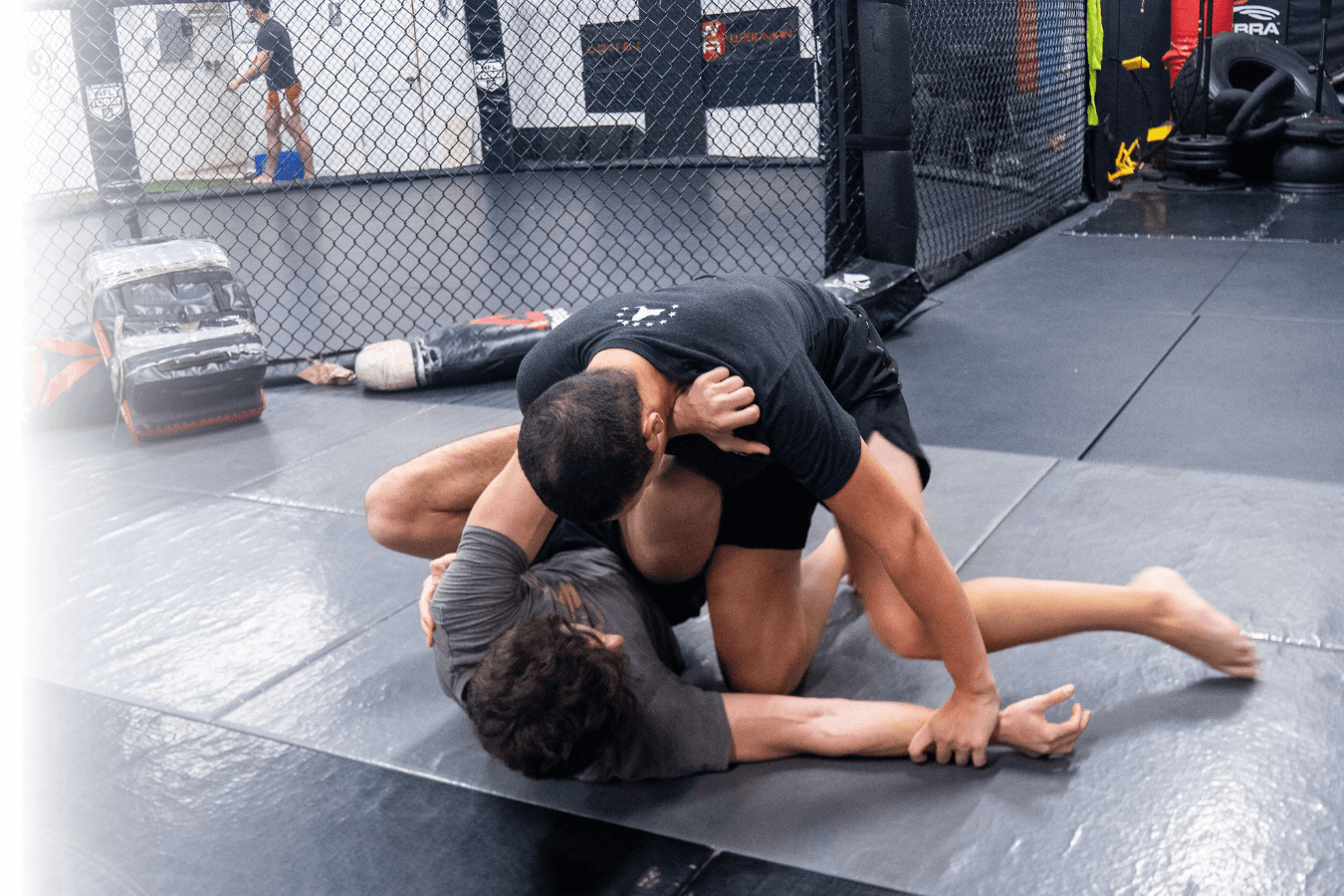
The right training environment turns motivation from a mood into a habit you can count on.
Motivation is tricky because it feels like it should be constant, but real life in Garden City rarely is. Work deadlines, school schedules, family responsibilities, and plain old fatigue can make even the best intentions fade. That is why we focus on martial arts as a long-term practice, not a short burst of inspiration.
In our classes, you do not just “work out” and hope you stick with it. You train skills, solve problems, and measure progress in a way your brain actually cares about. Martial arts can create lasting motivation because it offers immediate wins, clear next steps, and a community that keeps you showing up even on the days you would normally skip.
Why martial arts motivation lasts when typical fitness fades
Most people quit fitness routines for one simple reason: the feedback is vague. If the only “score” is calories burned or a number on the scale, it is easy to lose interest. In martial arts, the feedback is constant and specific. Your stance gets cleaner. Your balance improves. Your timing starts to land. You feel the difference, sometimes in a single class.
Another big reason is identity. When you train consistently, you stop thinking of yourself as someone who is trying to get in shape and start thinking of yourself as someone who trains. That shift matters. Research on combat sports and long-term participation keeps pointing to intrinsic motivation, meaning you keep going because the practice itself becomes rewarding: learning, mastery, and belonging.
And yes, the physical benefits are real, too. Better flexibility, strength, balance, and conditioning show up over time, and for many adults, those improvements become a quiet kind of motivation. Your body feels more capable in everyday life, not just in the gym.
The Garden City pace: why structure beats willpower
Garden City has a rhythm. Days fill up quickly, and “free time” is often a thin slice of the calendar. In that kind of environment, motivation survives best when your training is structured and predictable. We build our program around clear class formats, consistent coaching, and progressions you can follow even if you can only train a few days per week.
We also see something else that is easy to overlook: suburban stress is still stress. A commute, constant notifications, and a long to-do list can keep your nervous system running hot. Martial arts training gives you a productive outlet and a reset. You walk in carrying the day, you train, and you leave feeling steadier, like your mind has more room.
Skill mastery: the most reliable form of motivation
Lasting motivation is not about hype. It is about competence. When you feel yourself getting better at something complex, you want to return to it. Martial arts is built for that. Techniques have layers, and every layer creates a new goal you can actually reach.
We coach in a way that makes improvement visible. If you are new, you might focus on fundamentals like posture, breathing, and basic movement. If you have experience, you may work on timing, set-ups, and transitions. Either way, your goals stay concrete, and the path stays clear.
A helpful side effect is confidence that does not feel forced. It comes from proof. You handled something hard, then a little harder, then harder again. That pattern builds self-efficacy, and studies continue to connect longer training duration with improved self-control, resilience, and emotional regulation.
Goal setting that feels practical, not overwhelming
A lot of people avoid goals because they sound big and stressful. We keep goal setting simple and usable. Instead of “get ripped” or “become a fighter,” we guide you toward goals you can act on this week.
Here is what sustainable goal setting often looks like in our martial arts Garden City community:
• A beginner commits to two classes per week for one month, focusing on consistency over intensity
• A busy professional sets a goal to improve conditioning without wrecking recovery, using steady training and smart pacing
• A teen chooses one skill to sharpen, like takedown defense or positional control, then tracks progress over several weeks
• A parent focuses on stress management and energy, using training as a reliable routine rather than another task
• A more experienced student works toward the next level by tightening fundamentals, not chasing flashy techniques
This style of goal setting is one reason motivation sticks. You are not waiting for a distant transformation. You are collecting small wins that add up.
Community and coaching: motivation is social, whether you admit it or not
People often say they want “discipline,” but what helps most is a training environment where showing up is normal. When you train alongside others who are working, learning, and improving, you absorb that standard.
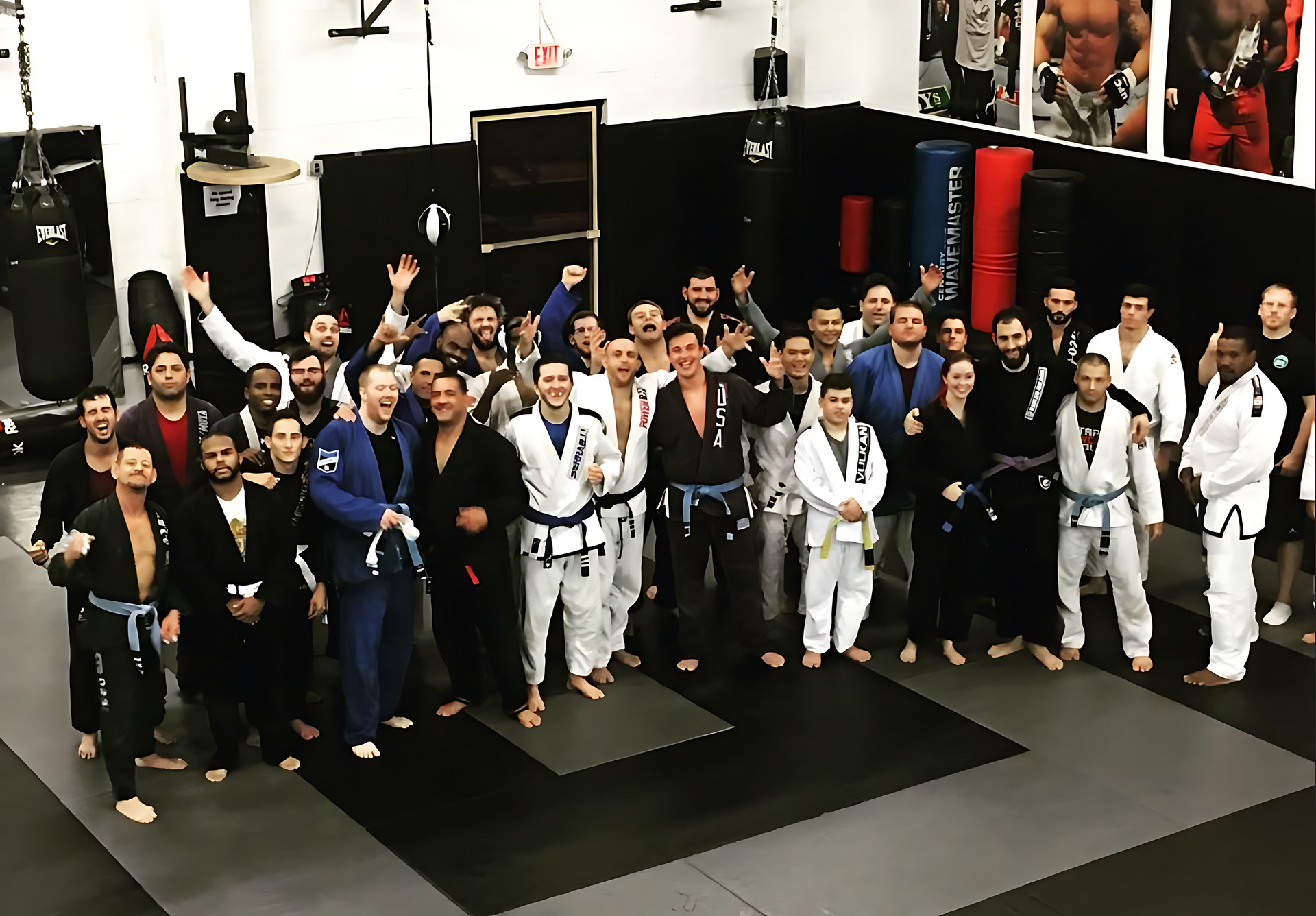
We keep the room welcoming while still serious about results. You will hear coaching, you will see effort, and you will also notice something quieter: people encouraging each other without making a big show of it. That matters for long-term motivation because it lowers friction. When you feel like you belong, you stop negotiating with yourself about whether to go.
Social connection is also linked to better mood and lower anxiety, and current research trends keep highlighting combat sports as surprisingly effective for mental health across ages and backgrounds. The key is the combination of challenge and support: you are pushed, but you are not left alone.
What to expect in our MMA training approach in Garden City
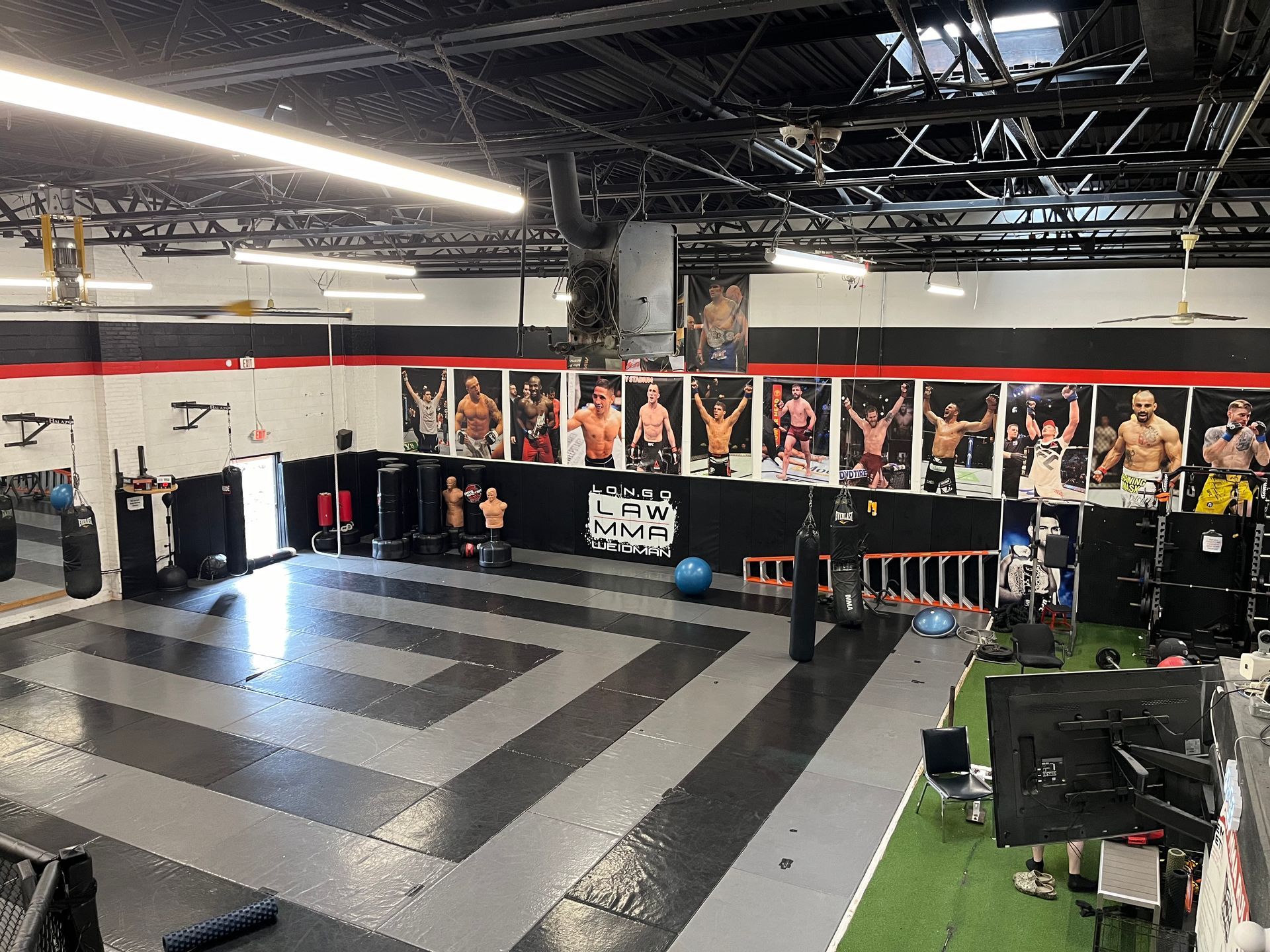
“MMA Garden City” can sound intimidating if your only reference point is professional fights. Our day-to-day training is progressive, coached, and built around safety and skill development. You learn how to move, how to protect yourself, and how to train with control.
We offer training across major disciplines that work together:
Brazilian Jiu-Jitsu for problem-solving under pressure
BJJ teaches you to stay calm in uncomfortable positions and work step-by-step toward better ones. That skill transfers directly to real life. You learn to breathe, think, and act instead of freezing. Many students notice that this kind of pressure-training improves patience and emotional regulation over time.
Muay Thai for conditioning and confidence
Striking training builds coordination, timing, and cardio in a way that feels engaging. You are not just repeating random exercises. You are practicing techniques, combinations, and defense with a purpose. The motivation comes from feeling sharper and more capable, not from punishing yourself.
### Wrestling fundamentals for balance and control
Wrestling improves base, athleticism, and the ability to dictate positions. Even if your main goal is fitness or self-defense, wrestling fundamentals build a kind of functional strength that shows up everywhere: posture, hips, footwork, and stability.
Beginners, women, and families: who this training is really for
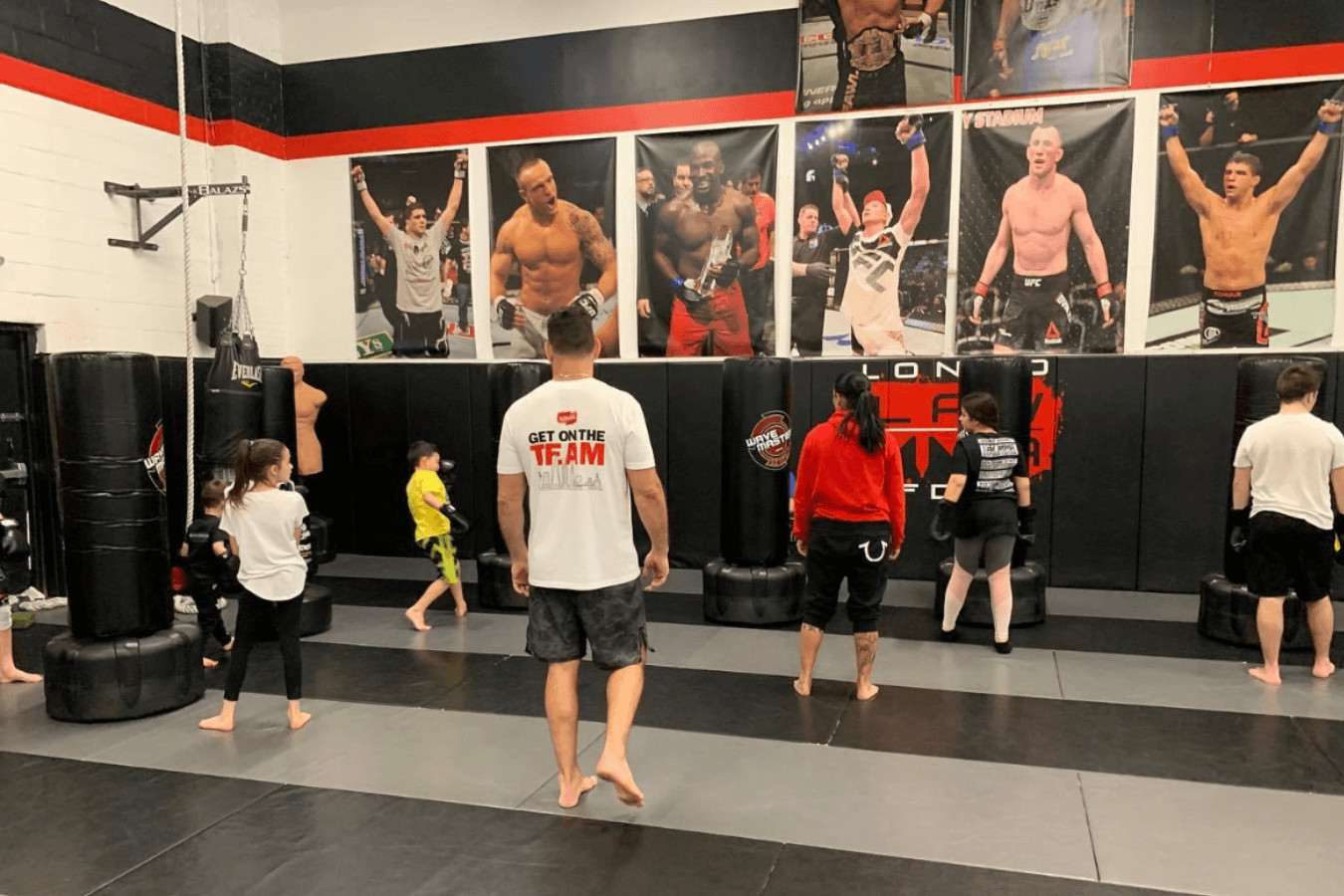
We coach beginners all the time, and we do not treat “beginner” like a label you have to wear forever. You start where you are. We teach fundamentals clearly, we answer questions, and we build you up without rushing you.
Women train for a wide range of reasons: empowerment, fitness, stress relief, and self-defense. Participation has been rising nationally, and the data does not support the myth that martial arts makes people more aggressive. In well-run programs, training is associated with better self-control and reduced impulsivity. You learn to manage intensity, not chase it.
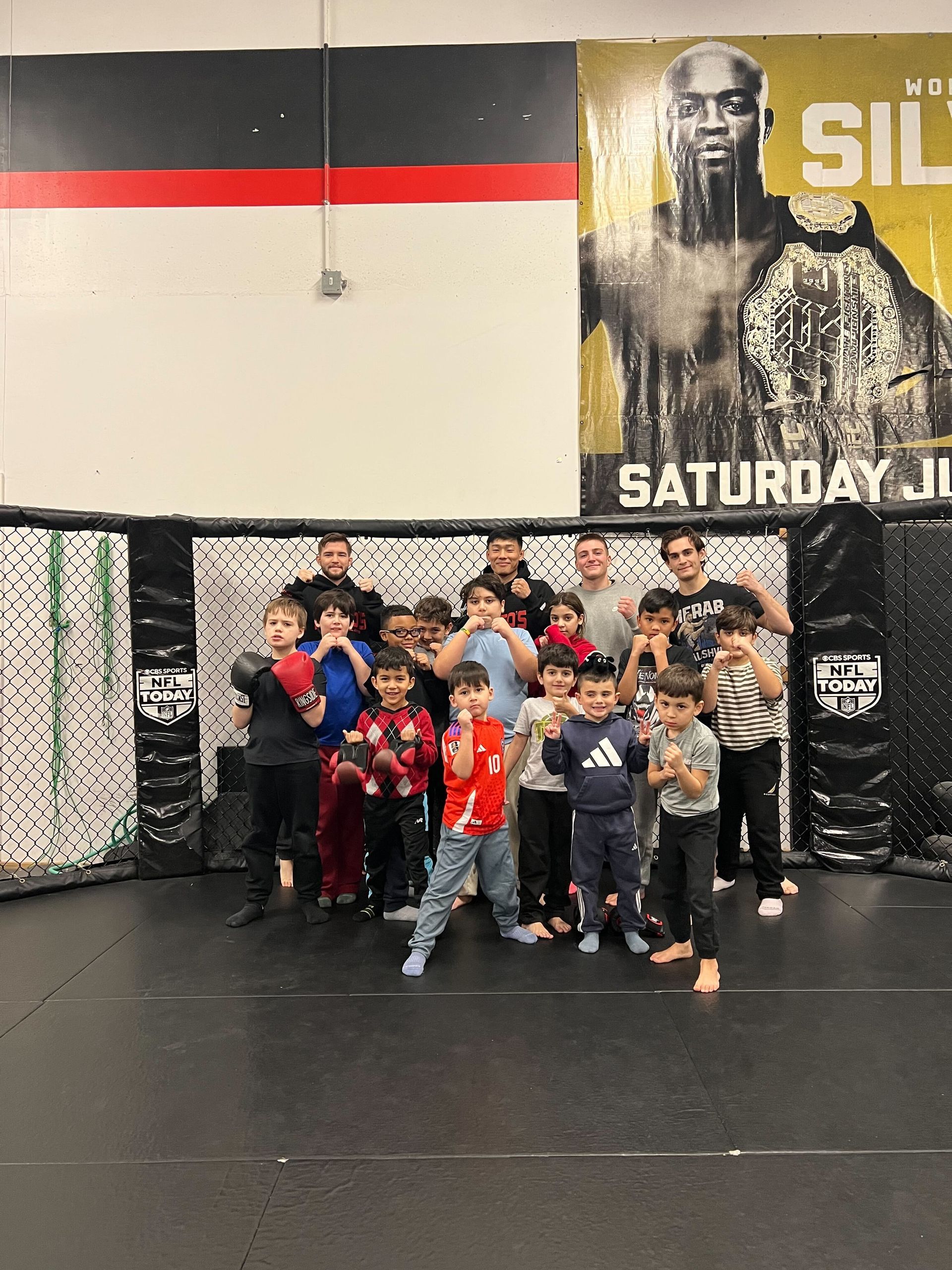
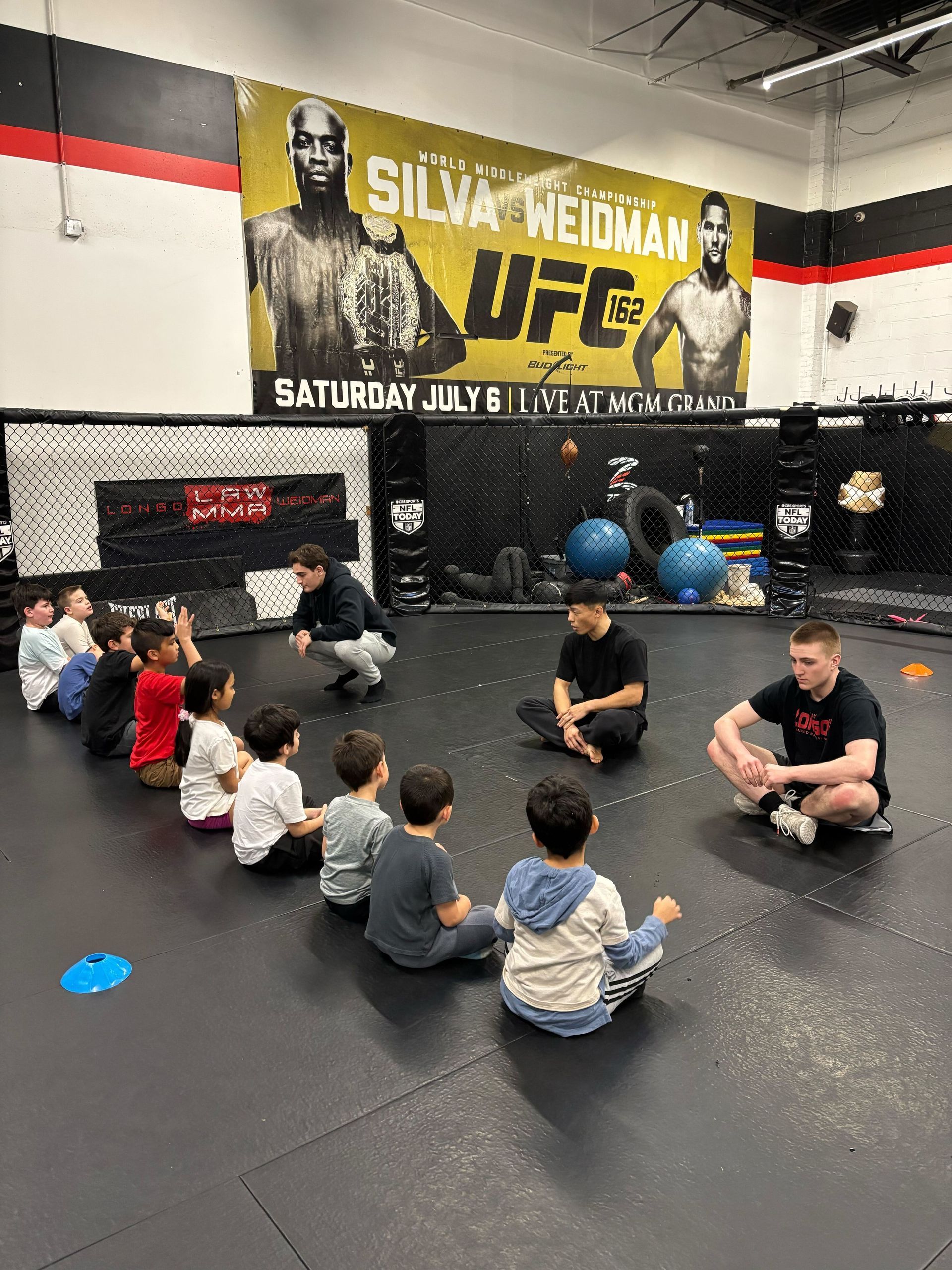
Families also love that training is not a screen-based activity and not a solo treadmill grind. Kids get structure, goals, and mentorship. Adults get a routine that feels energizing instead of draining. When the whole household understands what training nights look like, motivation gets easier to protect.
The mindset shift: from “I have to” to “I get to”
A big turning point happens when training stops feeling like another obligation. Martial arts helps create that shift because classes are immersive. You cannot half-focus when you are learning a technique or drilling timing. Your attention locks in, and that mental break from the rest of the day is a reward by itself.
Over time, the benefits stack. People often report improved mood right after training, like a lighter mental state. Those immediate positive emotions matter because they teach your brain that training is worth returning to. With consistent practice, many students notice they handle stress better, recover from setbacks faster, and approach challenges with more patience.
How to build motivation that survives plateaus
Plateaus are normal. Sometimes progress feels slow, or life interrupts training for a few weeks. We plan for that because it is part of real training, especially for adults.
Use this simple progression to keep momentum:
1. Recommit to a realistic schedule, usually two to three sessions per week for most adults
2. Pick one measurable focus for a month, like improving guard retention, footwork, or conditioning pace
3. Ask for coaching feedback so you are not guessing about what to fix
4. Train with a variety of partners to keep learning fresh and avoid getting stuck in one pattern
5. Track small indicators of progress, like better breathing, cleaner technique, or improved control
Motivation stays alive when you can see evidence of progress, even if it is subtle. Our job is to coach you toward that evidence and keep the process clear.
Take the Next Step
If you want motivation that lasts, you need training that stays interesting, measurable, and supportive over the long haul. That is what we build every day: a structured martial arts experience where skills, mindset, and community reinforce each other instead of competing for your attention.
When you are ready to train with a team that takes progress seriously, we are here to help you start strong and keep going. At Ray Longo's Mixed Martial Arts, our classes in Garden City are designed to meet you at your level and give you a reason to come back next week, not just tomorrow.
Challenge yourself physically and mentally by joining a martial arts class at Ray Longo’s Mixed Martial Arts.