

How Martial Arts in Garden City Boosts Energy and Everyday Resilience
The right training doesn’t just make you fitter, it helps you show up calmer, sharper, and harder to rattle in daily life.
If your energy feels inconsistent, you’re not alone, and you’re not “lazy.” Most adults and kids in Garden City are juggling long school or workdays, screens, stress, and schedules that don’t leave much room for recovery. What we see again and again is that the answer usually isn’t a bigger coffee or a more complicated routine. It’s a practice that builds your engine and your mindset at the same time.
That’s why Martial Arts training works so well for real life. You get conditioning, coordination, and practical skills, but you also get something people don’t always expect on day one: a steadier nervous system. When you learn to breathe under pressure, keep moving when you’re tired, and solve problems in motion, daily tasks start to feel lighter.
In our Garden City programs, we focus on skill-based training you can stick with. You don’t need to be a fighter to benefit from it. You just need a plan, consistent classes, and a training room where you can learn without getting thrown into the deep end.
Why Martial Arts builds energy you can actually use
“More energy” usually sounds like a fitness promise, but we treat it like a training outcome you can measure. In Martial Arts, energy isn’t only about endurance. It’s about how efficiently you move, how quickly you recover, and how well you handle stress without burning out.
You train the whole system, not just one muscle group
A typical class blends movement, strength, timing, balance, and focus. That combination matters because everyday fatigue often comes from inefficiency: tight shoulders, shallow breathing, poor posture, and mental overload. We build better patterns through warm-ups, drilling, and controlled rounds where you learn to stay relaxed while working.
Your conditioning improves without feeling like “just cardio”
Running has its place, but many people quit cardio plans because they’re boring. Skill-based conditioning holds attention. You’re learning footwork, frames, escapes, clinch positions, and transitions, and your heart rate rises naturally while your brain stays engaged. That’s a big reason students tell us they feel more “awake” after training, even when they come in tired.
Better recovery starts with better breathing and pacing
In Martial Arts, you quickly learn that going 100 percent all the time doesn’t work. You gas out, your technique falls apart, and you feel it the next day. We coach pacing, posture, and breathing so you can work hard without redlining. That carries over to life: stairs feel easier, stress feels less spiky, and your energy lasts longer into the afternoon.
Everyday resilience: what it means in training and outside the gym
Resilience is a practical thing. It’s being able to handle a hard conversation without shutting down. It’s bouncing back after a rough day. It’s staying patient when something goes wrong. On the mat, you practice resilience in a safe, structured way, then it sneaks into the rest of your week.
You get comfortable being uncomfortable, safely
Controlled training teaches you that pressure is a place you can operate. In grappling, someone is trying to off-balance you, pin you, or take a position. In striking and MMA drills, timing and distance challenge your focus. We keep everything progressive and supervised, so you’re building tolerance and confidence rather than collecting bruises and frustration.
You build problem-solving under pressure
A lot of workouts are “do the reps.” Martial Arts asks, “What’s the right answer here?” That difference is huge. When you’re tired and someone is passing your guard, you can’t freeze. You learn to prioritize: protect position, recover frames, move your hips, create space, escape, reset. That’s real-time problem-solving, and it changes how you handle pressure off the mat.
You gain confidence that feels earned
There’s a quiet kind of confidence that comes from repetition. When you’ve practiced a technical stand-up a hundred times, you move differently. When you’ve defended a takedown with good posture and underhooks, you carry yourself with more certainty. We aim for that earned confidence, not hype.
Brazilian Jiu-Jitsu in Garden City: why it’s such a strong base
Brazilian Jiu-Jitsu Garden City students often come in with one of two goals: they want a real skill they can trust, or they want a training style that builds fitness without beating up their joints. BJJ can do both, especially when it’s taught with structure and progression.
BJJ gives you a clear learning path: positions, escapes, control, submissions, and transitions. It’s technical, but not mysterious. You learn step by step, then pressure-test those steps at a pace that matches your experience level. Over time, you start noticing changes that show up in everyday life: better posture, better patience, better decision-making when you’re stressed.
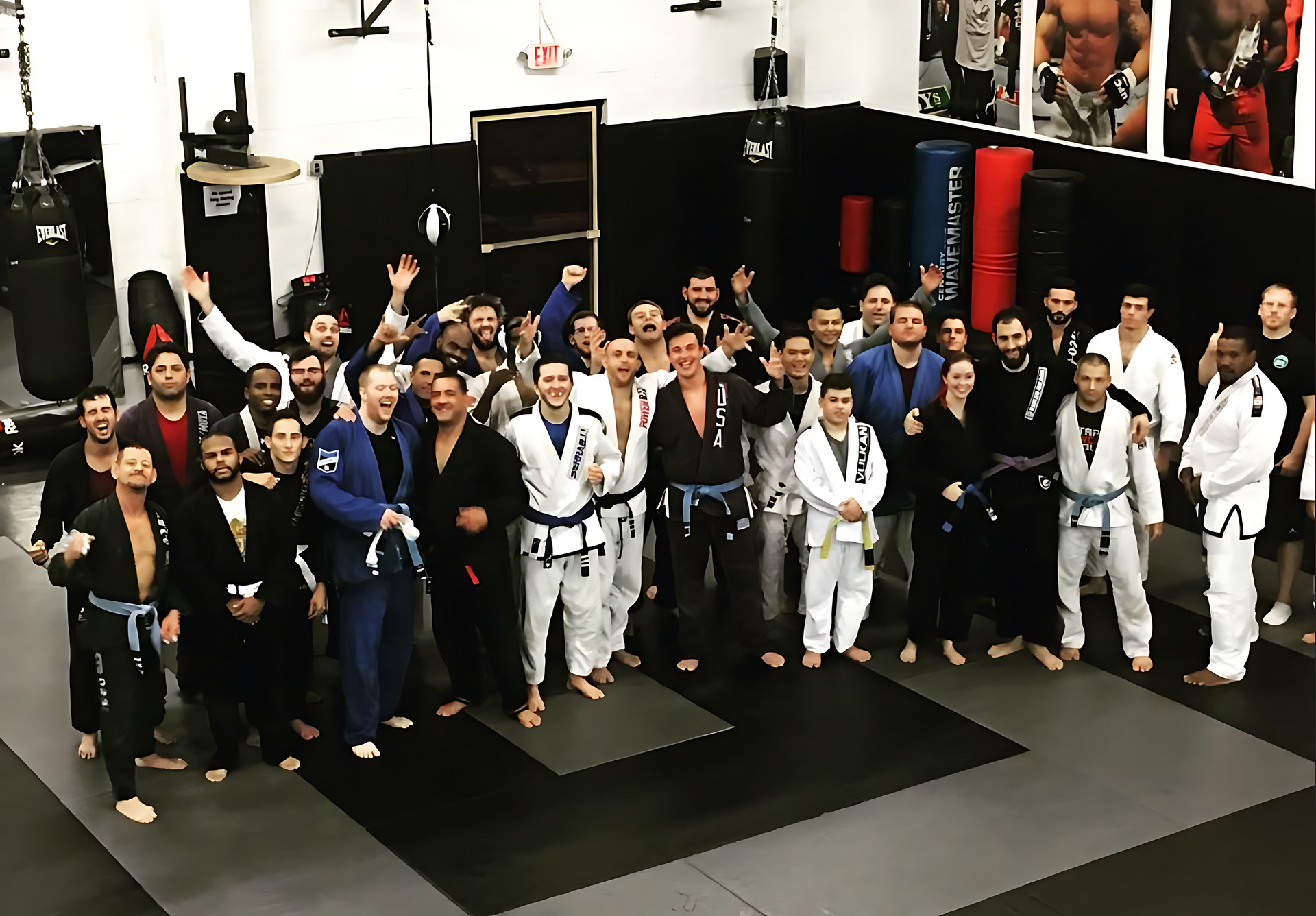
We offer both Gi and No-Gi, and that matters because each develops slightly different attributes. Many students like mixing them because it keeps training fresh and well-rounded.
Gi vs No-Gi: a simple, useful comparison
Gi training includes the traditional uniform and grips on sleeves and collars, which slows things down and makes control a little more methodical. No-Gi moves faster and relies more on body positioning, underhooks, and head-and-arm control. Neither is “better.” They’re just different tools for building skill and resilience.
Here’s what most beginners notice:
• Gi training often helps you learn patience, grip fighting, and step-by-step control because positions tend to stabilize more easily.
• No-Gi training often builds conditioning and scramble awareness because transitions happen quickly and you can’t rely on cloth grips.
• Gi rounds can feel like technical chess when you start understanding angles and balance.
• No-Gi rounds can feel like wrestling meets Jiu-Jitsu, with a strong focus on connection and pressure.
• Training both gives you adaptable movement and a deeper understanding of fundamentals.
Youth Brazilian Jiu Jitsu Garden City: energy, focus, and confidence for kids
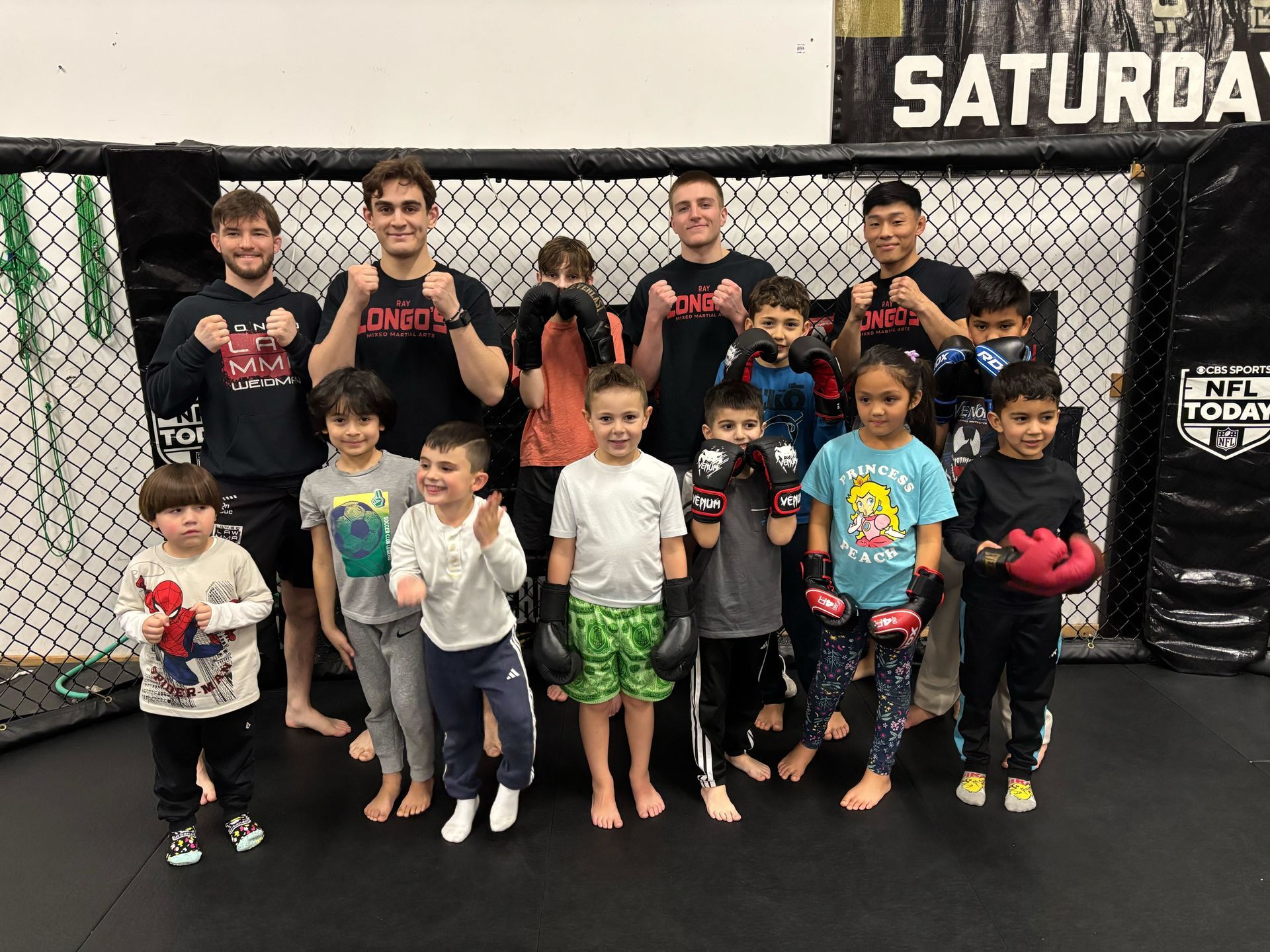
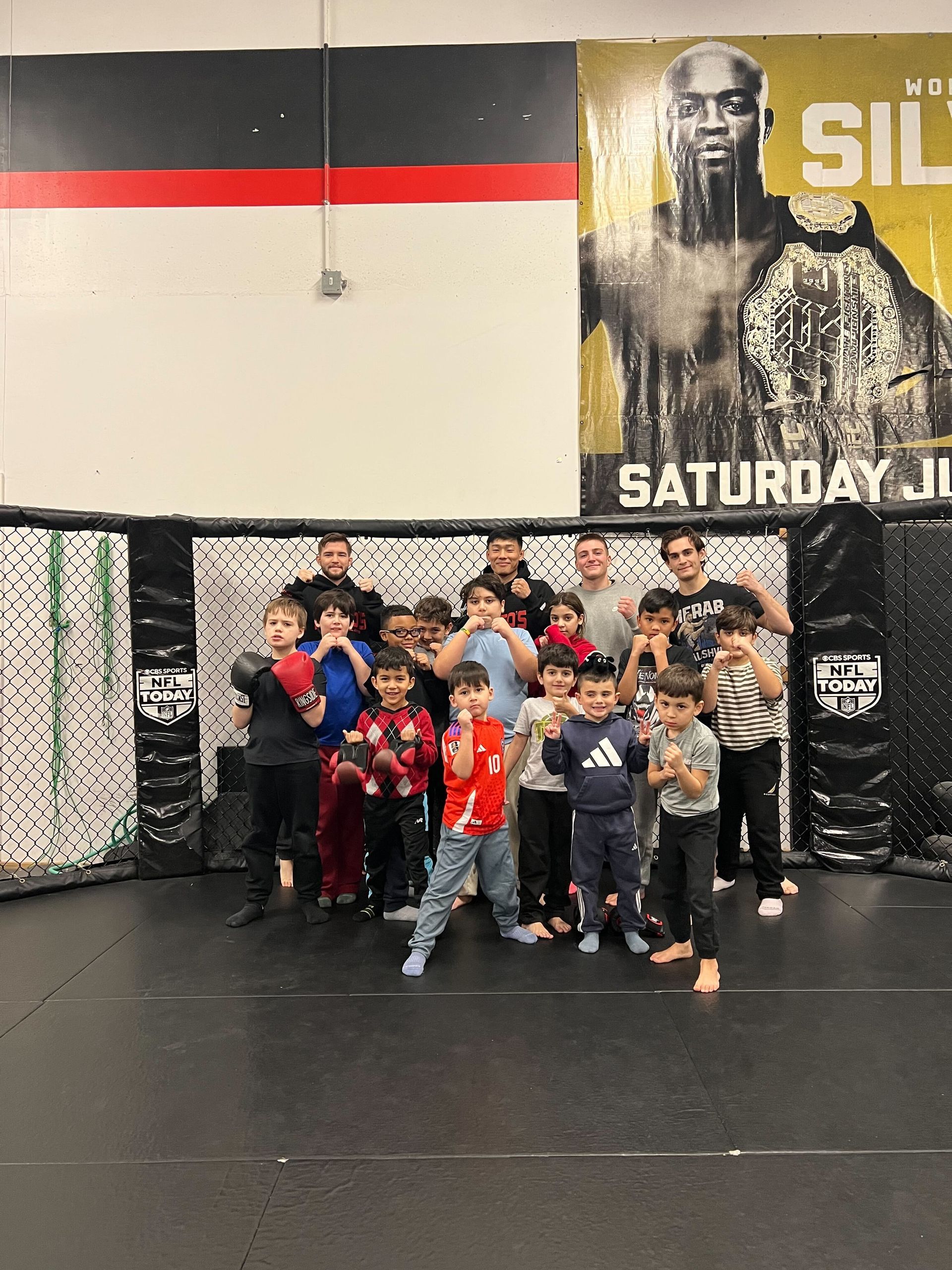
Parents ask two big questions: Will my child be safe? And will this actually help them in real life? Those are fair questions. Our Youth Brazilian Jiu Jitsu Garden City program is built around structured learning, age-appropriate coaching, and clear expectations, because kids do best when the room feels organized and consistent.
BJJ is especially effective for youth because it rewards attention to detail. A smaller student can use technique, balance, and leverage to improve outcomes. That teaches kids something important: effort matters, but smart effort matters more.
What kids gain that shows up at home and school
You’ll often see changes that have nothing to do with “fighting.” We focus on habits that support energy and resilience in daily routines:
• Better body awareness and coordination, which helps with sports, playground confidence, and general movement
• Improved listening and follow-through because class has steps, cues, and clear rules
• Healthier outlets for stress and extra energy, especially after long school days
• More comfort with challenges, like trying a new skill, making a mistake, then trying again
• Respect for training partners, which reinforces self-control and social skills
Safety is part of the culture. We teach students to train with care, control, and awareness of partners. Progress happens fastest when kids feel supported, not pressured.
MMA training for fitness and real-world readiness
Some people hear “MMA” and assume it’s only for competitors. Our MMA training is structured so you can build skills whether you’re training for performance, fitness, or confidence. The key is progression: learning fundamentals first, then layering complexity.
MMA blends striking, clinch work, takedowns, and ground control. That mix is excellent for energy because it trains multiple intensities. You’ll have moments of explosive movement and moments where you’re learning to stay calm and technical. That range is exactly what most people need for better everyday resilience.
We also coach distance and decision-making. That might sound abstract, but it’s practical: knowing when to move, when to frame, when to disengage, and when to reset. Those are skills, not instincts, and they improve with consistent reps.
Your first 30 days: what beginners in Garden City can expect
Beginners don’t need to “get in shape first.” Training is how you get in shape, and we coach you from where you are. The first month is about building comfort, learning the room, and stacking small wins.
Here’s a realistic beginner ramp-up we often recommend:
1. Week 1: Learn class flow, basic movement, and a small set of core positions so you can participate without feeling lost.
2. Week 2: Repeat fundamentals, start linking steps together, and learn how to train with a partner safely and calmly.
3. Week 3: Add light, controlled rounds where you apply techniques with guidance, not chaos.
4. Week 4: Increase consistency, ask better questions, and start noticing that your breathing, posture, and recovery are improving.
If you can train two to three times a week, progress tends to feel steady. If your schedule is tight, even once a week can make a difference, especially when you stay consistent. The class schedule page helps you map out a routine that fits your week.
What to bring and how to feel prepared
You don’t need fancy gear to start. For most first classes, simple preparation removes the nerves.
Bring water, show up a little early, and come ready to learn. If you’re trying BJJ, we’ll guide you on what to wear for Gi or No-Gi and what makes sense for your first week. If you’re starting MMA training, comfortable training clothes are usually enough to begin, and we’ll point you toward gloves or wraps when the time is right.
And yes, it’s normal to feel awkward at first. Everyone does. The good news is that Martial Arts has a built-in solution to awkwardness: repetition. You do the movement again, your body understands it, and it starts feeling natural.
How we keep training serious, but welcoming
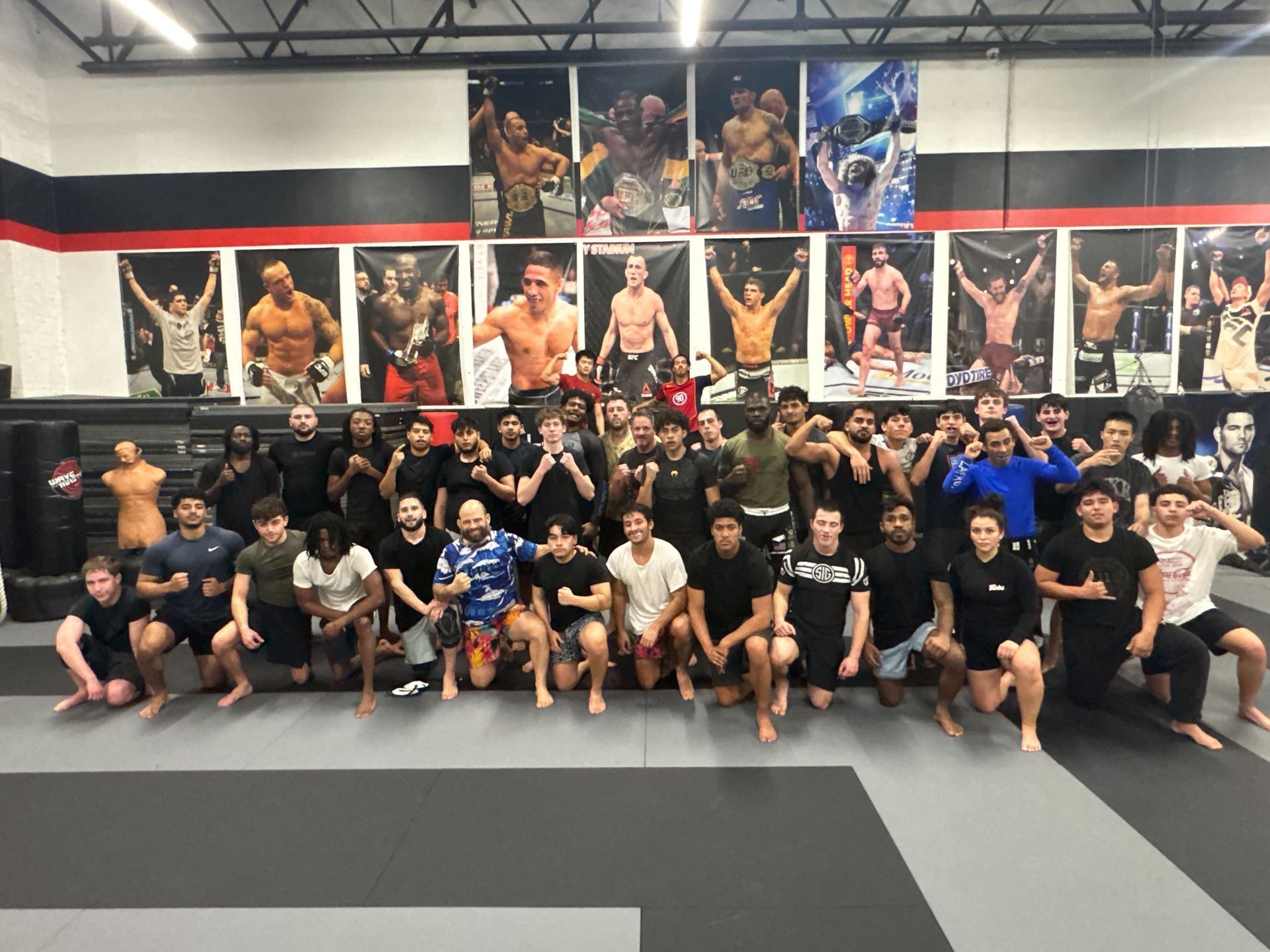
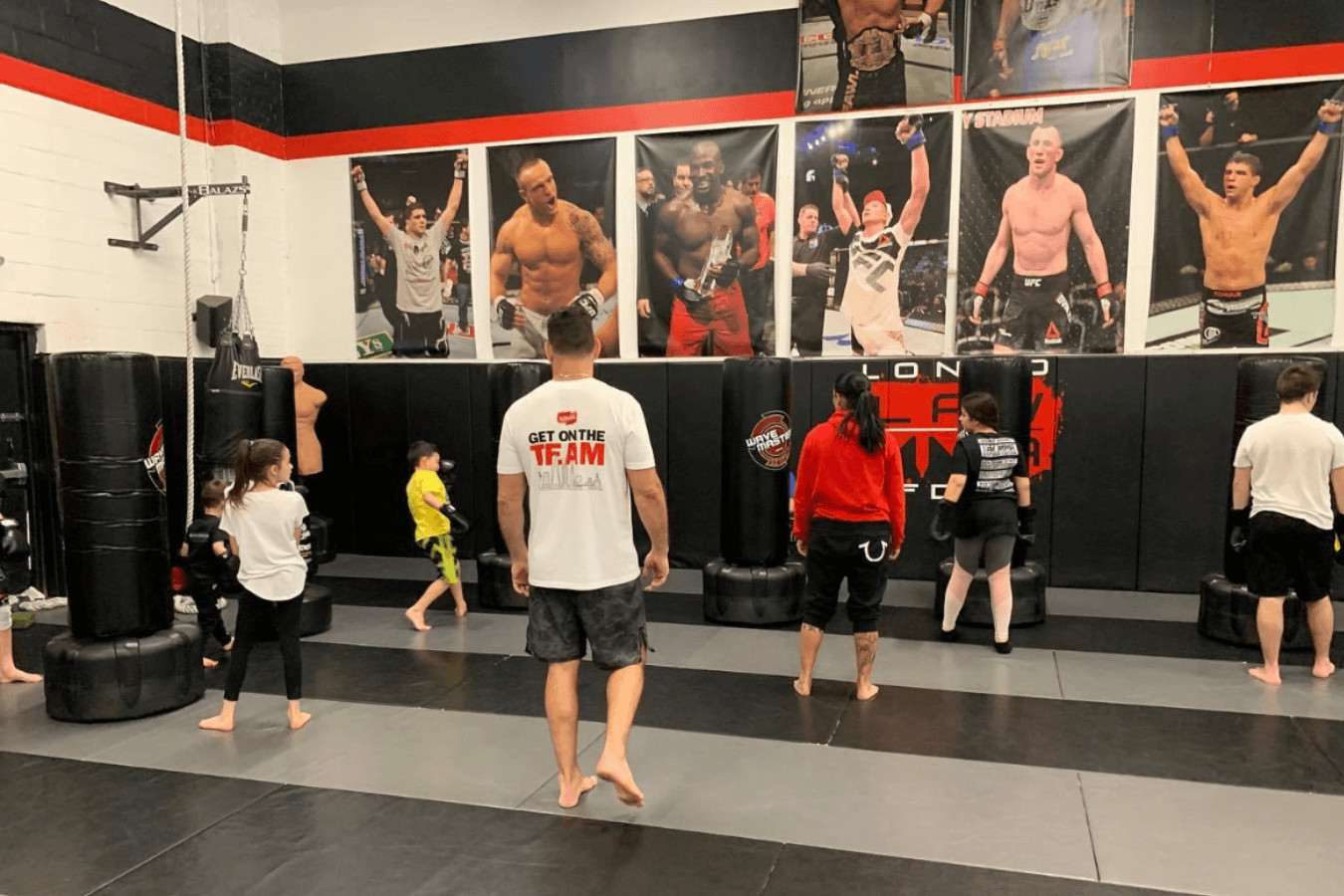
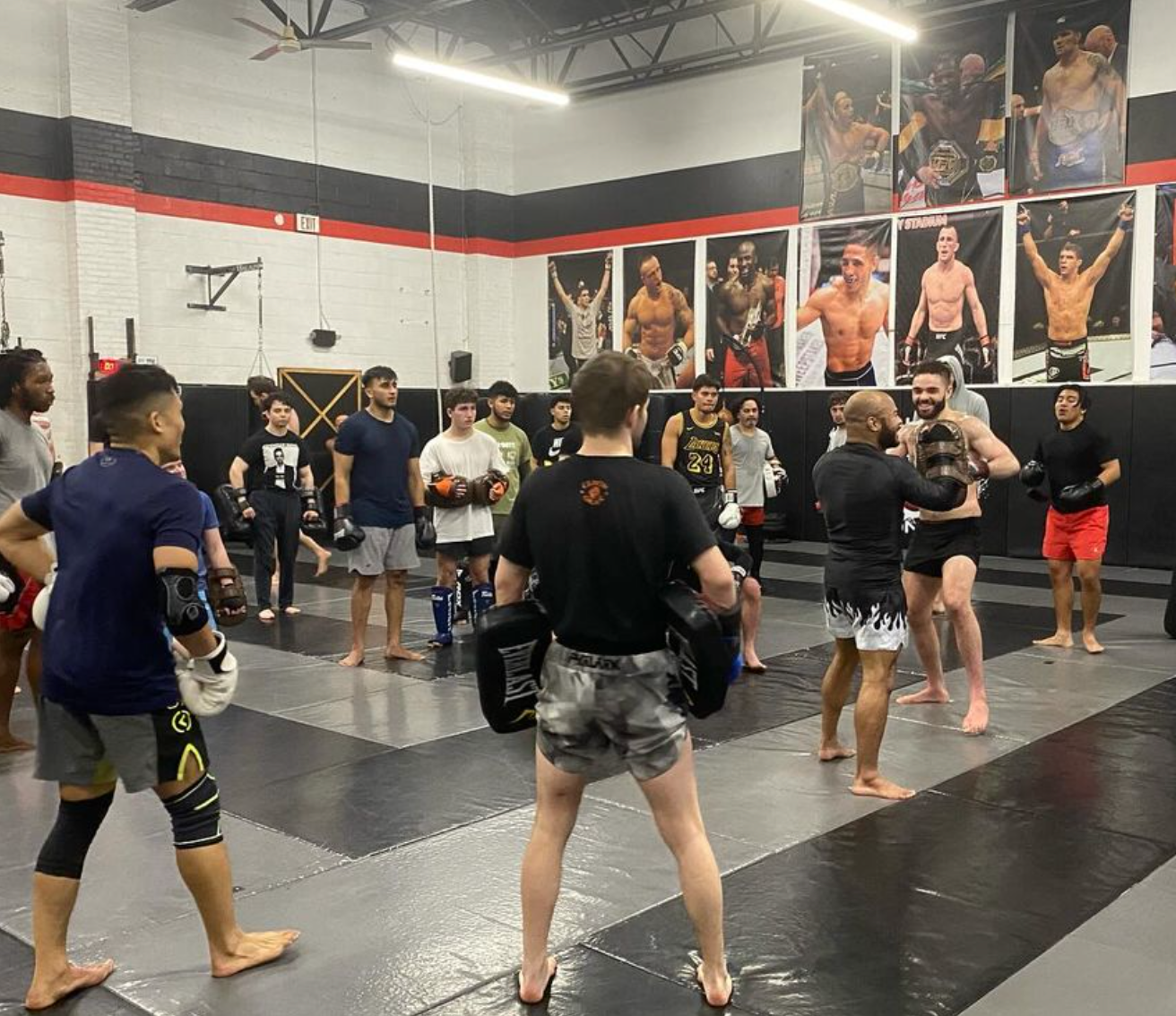
We run a room where beginners can train alongside experienced students without feeling in the way. That happens through coaching, structure, and culture. You’ll see focused drilling, clear instructions, and training partners who understand that helping you learn also helps the whole room improve.
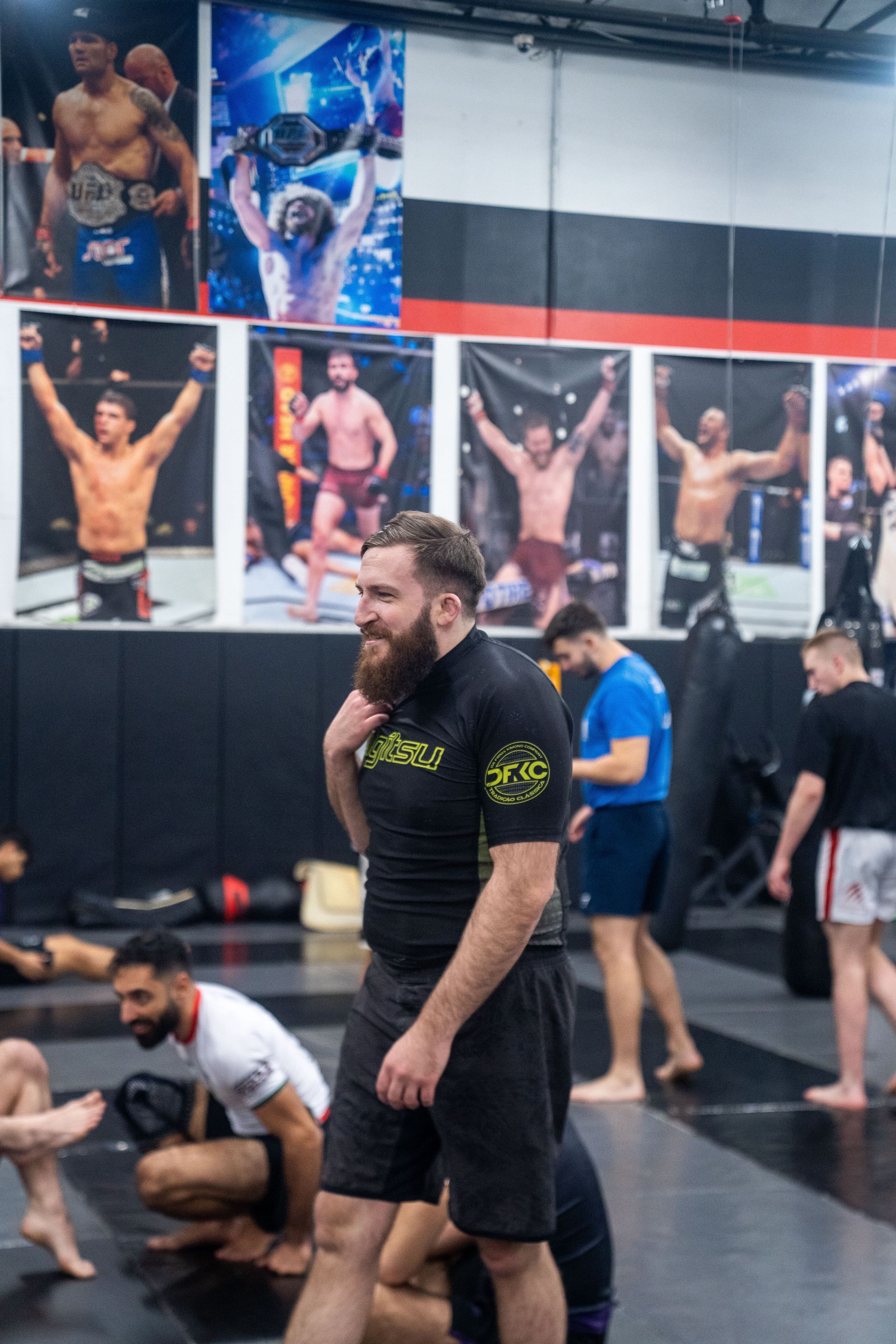
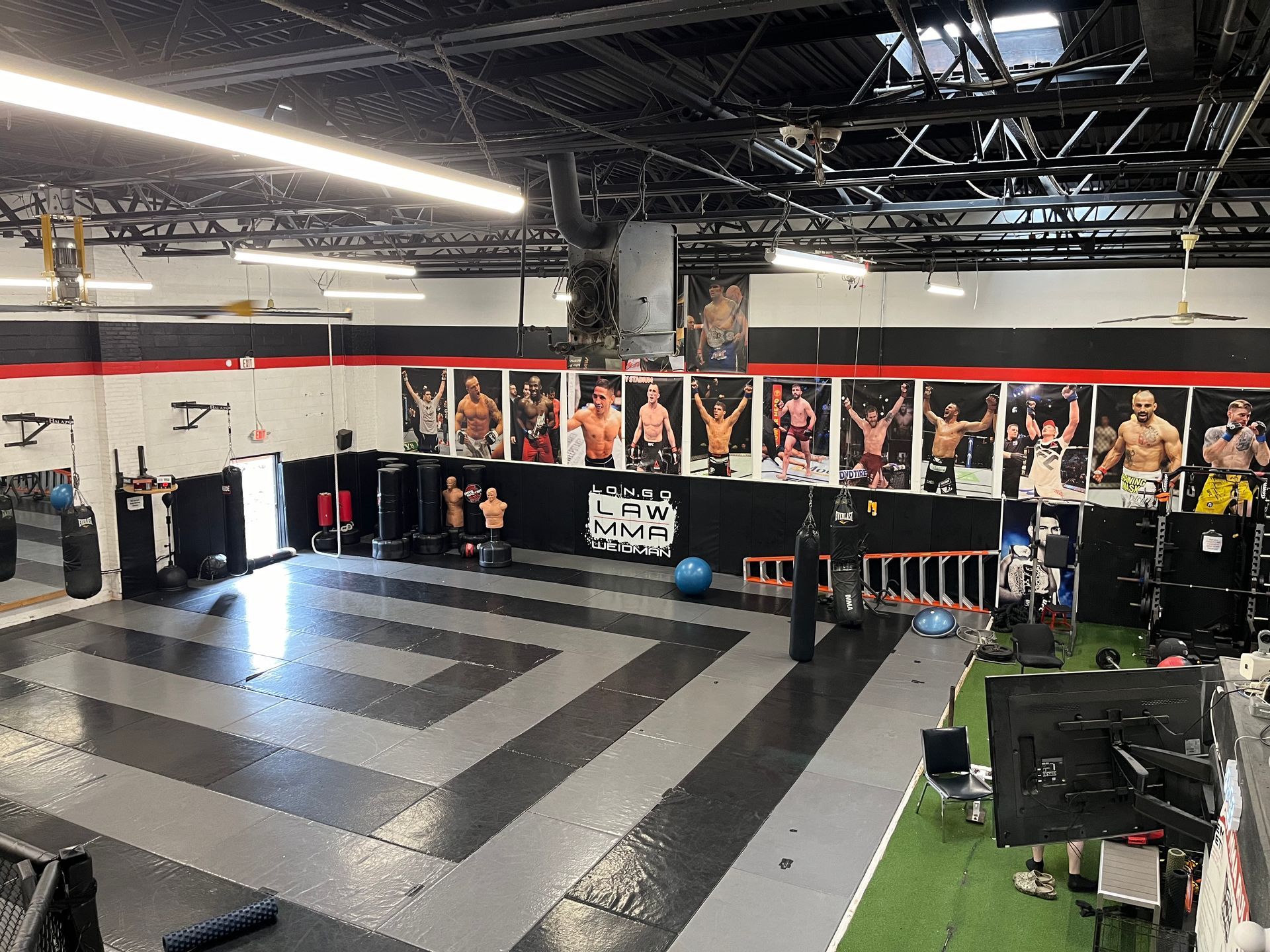
Our space has a modern training feel with a serious, old-school energy. That balance matters. It keeps training honest, but it also keeps it human. You can work hard here and still enjoy the process.
FAQ: energy, safety, and choosing the right class
Is Martial Arts training good for beginners?
Yes. We teach fundamentals first, coach pacing, and help you build confidence through structured reps.
How often should I train to feel more energy?
Most people feel a difference with two to three classes per week, but consistency matters more than intensity.
Is Brazilian Jiu-Jitsu safe for kids?
We prioritize control, supervision, and partner awareness, with age-appropriate drilling and expectations.
What’s the difference between Gi and No-Gi?
Gi uses grips on the uniform and tends to be more controlled; No-Gi is faster and relies more on body positioning and connection.
Do I need to be “in shape” before starting?
No. Training is the process that builds conditioning, mobility, and resilience over time.
Take the Next Step
If you want more energy that lasts past lunch and resilience you can feel in stressful moments, training is a practical way to get there. Our programs are built to meet you where you are, then move you forward with clear coaching, safe progression, and a room that stays focused on real skill.
When you’re ready, we’ll help you choose the right starting point, whether that’s Brazilian Jiu-Jitsu Garden City classes, Youth Brazilian Jiu Jitsu Garden City options for your child, or MMA training for a broader skill set. That’s exactly what we do every day at Ray Longo's Mixed Martial Arts in Garden City.
Put these techniques into action by joining a training program at Ray Longo’s Mixed Martial Arts.